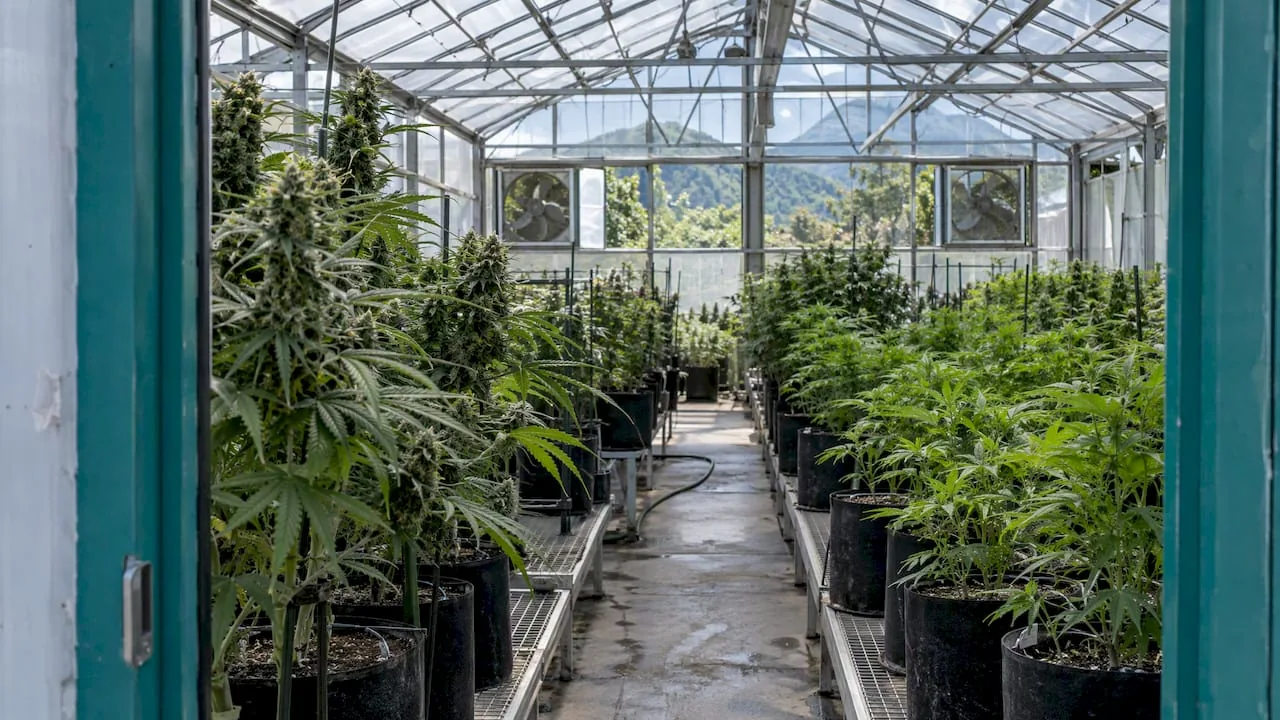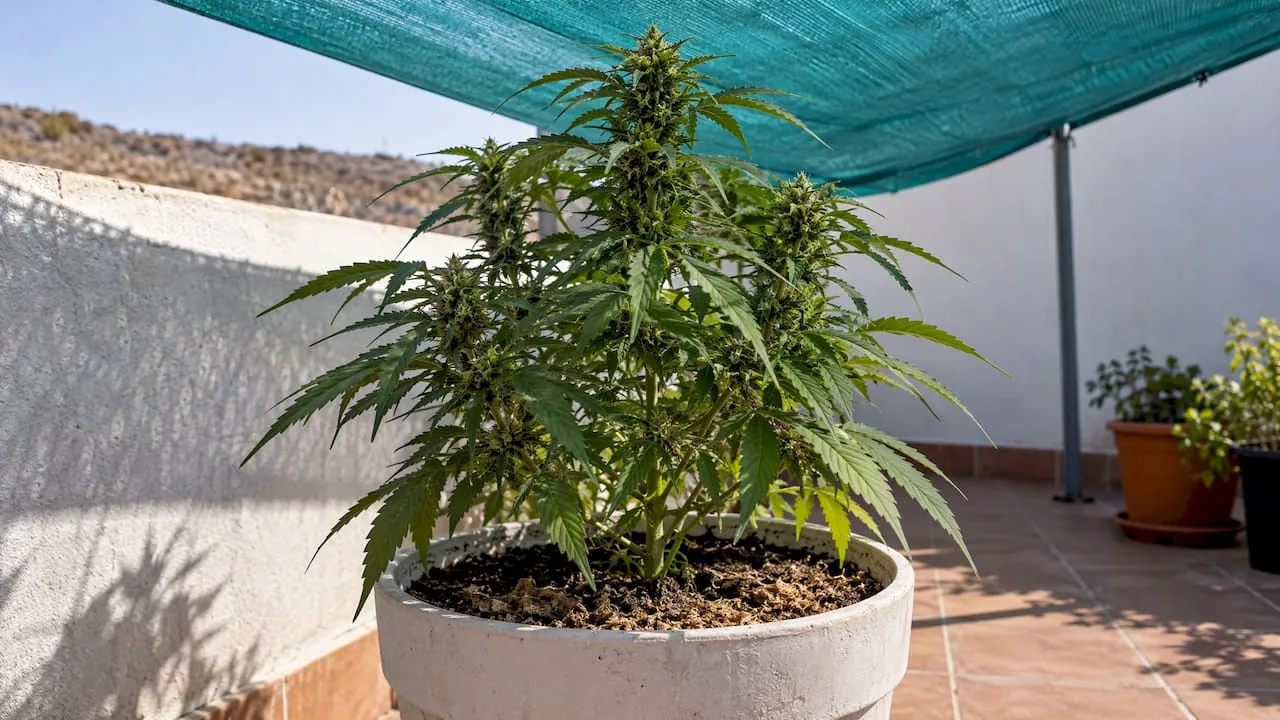


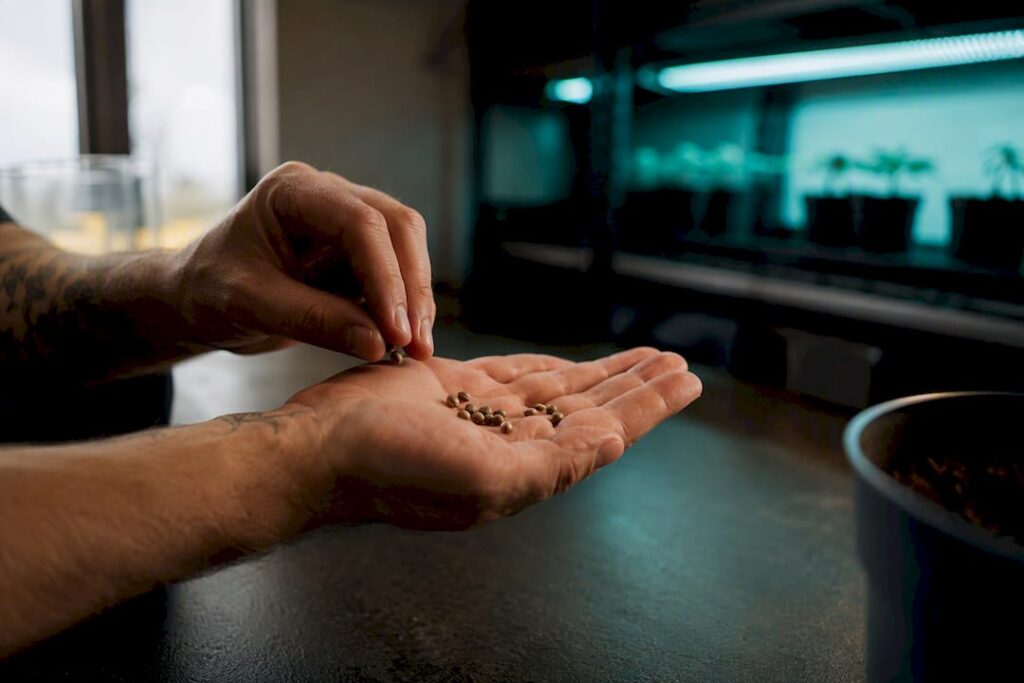
If you have a small cupboard or a discreet balcony, the safest choice is compact autoflowering seeds or, if you prefer to control the height yourself, low-growing indica-dominant photoperiod plants. Autos give you a short cycle without photoperiod changes; photoperiod plants let you lengthen or shorten the vegetative stage depending on what your space needs.
Before buying, look at three details on the data sheet:
- Estimated height: look for varieties that don’t exceed 80-100 cm indoors.
- Total cycle: the shorter it is, the less room for error in a small space.
- Ease of training: check whether the seed bank recommends LST or SCROG for that genetic.
Key points
Choosing seeds for a successful micro grow depends more on compact, predictable genetics than on the light, the pot or the training technique used.
| Point | Details |
|---|---|
| Prioritise compact genetics | Choose indica autoflowering or compact photoperiod plants before thinking about the setup. |
| Adjust pot and watering | Use small to medium containers and water more often than you would with large pots. |
| Train without high stress | Apply LST from the second week and keep SCROG for plants with good branching. |
| Watch for humidity and pests | Check the underside of the leaves every few days and keep relative humidity low during flowering. |
| Buy with traceability | Bluedog Genetics offers product pages with real data on height and cycle, discreet shipping and order tracking. |
Seeds for micro-growing: which options fit best (and the editor’s pick)
Choosing between autoflowering and compact photoperiod plants is not a matter of taste, it is a matter of space and available time. Autos flower on their own after a few weeks, without you having to touch the light cycle, which makes them convenient for small spaces. In return, they have less room to correct management mistakes because you can’t extend the vegetative stage if the plant stays small. Compact photoperiod plants, on the other hand, let you decide when to switch to flowering, so if you see the plant needs more time to fill the pot, you simply wait.
These are common profiles that work well in a 60×60 cm grow tent:
- Compact indica autoflowering plants: varieties that don’t exceed 100 cm, with a short cycle, sweet or earthy aroma and good bud density.
- Low-structure hybrid autoflowering plants: 70-100 cm, shorter cycles, generous lateral branching, ideal for miniature SCROG.
- Indica-dominant photoperiods: low-growing varieties without training, with typical cycles in weeks of flowering, which are easy to control with LST from the first week.
- Hybrids with marked ruderalis genetics: very predictable flowering, little stretch, a good option if this is your first micro-grow.
💡 Pro tip: If you’ve never grown in small spaces, start with an indica autoflowering before trying photoperiod plants: there’s less room for error and you’ll learn to read the plant without the pressure of managing the photoperiod.
Bluedog Genetics selects varieties designed specifically for this kind of setup, with product pages that detail height and real cycle length, not just catalogue figures. If you’d like to understand first how to tell good genetics from mediocre ones, the guide on how to choose cannabis seeds according to your experience helps you interpret that information before you buy. And if budget is the priority, there are specific options in affordable autoflowering seeds for 2026 that don’t sacrifice quality for price.
Checklist for choosing seeds according to your setup and your experience
Before adding anything to your basket, go over these five points. They will save you more than one headache halfway through the grow.
- Estimated final height. Compare it with the real clearance of your grow tent or balcony, subtracting the space taken up by the lamp and the extraction system.
- Total growing time. This adds up germination, vegetative growth and flowering; with autos it takes around two to three months, while with photoperiod plants it depends on how long you extend the vegetative stage.
- Adaptability to small pots. Not all genetics perform equally well in 5-7 litres; varieties designed for micro-growing usually say so on their product page.
- Humidity tolerance and odour control. Some genetics produce more resin and aroma, which calls for better filtration; others are naturally more discreet.
- Phenotypic predictability. Seed banks with stable selection give more uniform results between seeds from the same batch, which is key when you only have space for one or two plants.
When reading a spec sheet, the estimated yield is almost always given per plant in optimal conditions, so treat it as a ceiling, not a promise. The recommended pot size is usually only a guide: you can go a little below it if you compensate with more frequent watering. Days to harvest count from the switch to flowering, not from germination, so add the vegetative time you plan to give the plant.
Before buying, always ask about the germination guarantee, order tracking and whether the parcel arrives discreetly. A reputable seed bank has no problem confirming these three points before you pay.
Growing tactics to maximise harvest and quality in small spaces
In a 60×60 cm tent, 200 to 300 W of efficient LED is usually enough to cover the whole canopy without generating excess heat. Place the light high enough at the start to avoid excessive stretching, and lower it gradually as the plant builds structure; a light too close in the first few weeks is usually the number one cause of weak, etiolated stems.
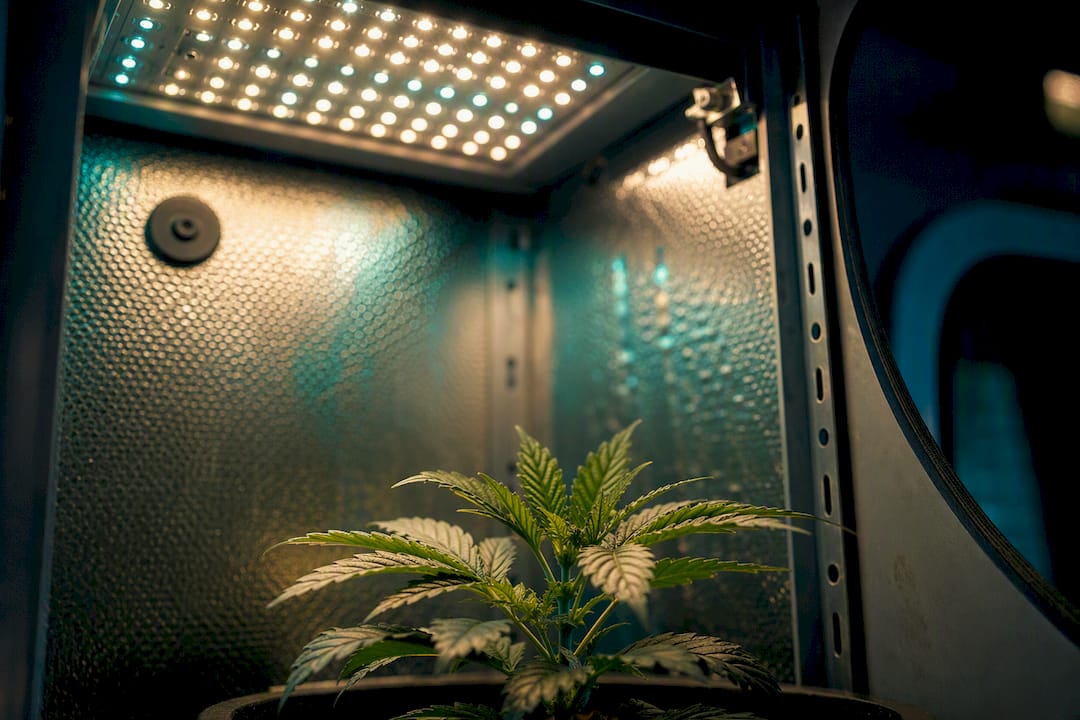
On pots and substrate, small to medium-sized containers are the most common in micro-growing, although the smaller the container, the more often you will have to water. Here is the nuance that many people overlook: the relationship between pot size and watering frequency is critical, because applying the same dose of nutrients you would use in a large pot to a 5-litre substrate saturates the roots much faster. Use a light mix with good drainage and start with half the dose recommended by the manufacturer.
When it comes to training, LST and SCROG are more effective than high-stress techniques in small spaces, because they spread the light without forcing the plant to recover from large cuts:
- LST (low-stress training): bend and tie down the main branches from the second or third week to create a flat, even canopy.
- Mini SCROG: set a net at a low height, just above the substrate, and guide the shoots through it.
- Moderate topping: only on photoperiod plants and with care; on autoflowering plants it can delay flowering more than it pays off.
A simplified timeline for an autoflowering plant is a short vegetative period followed by several weeks of flowering, with harvest arriving roughly two to three months after germination. A compact photoperiod plant needs 3 to 4 weeks of vegetative growth before the light change, plus 7-9 weeks of flowering depending on the genetics.
Quick diagnosis of common micro grow problems
A small space amplifies any management error, so it’s best to act quickly as soon as you see symptoms.
- Yellow leaves at the bottom: usually a lack of nitrogen or irregular watering; check the water’s pH before adding more nutrients.
- Drooping or limp leaves: almost always overwatering in small pots, where the substrate takes longer to drain than it seems.
- White spots or mould on buds: managing humidity, ventilation and air filtration is decisive for preventing mould in confined spaces; lower the relative humidity below 50 % during flowering and improve air circulation.
- Excessive stretching between nodes: it usually indicates that the light is too far away or that the chosen genetics were not really compact.
For odour control, a well-sized activated carbon filter solves most cases, even with aromatic genetics. If after two grows you still have the same problems with the same variety, the fault may lie in the genetics, not in your management: switching to a proven, quality seed is usually more cost-effective than continuing to adjust the setup.
How to germinate seeds specifically for micro growing
Germinating for a small space doesn’t change the technique, but it does change the planning. As the margin of time and space is tighter, every day of delay in germination directly subtracts from the time the plant will have to develop before it hits the ceiling of the cabinet.
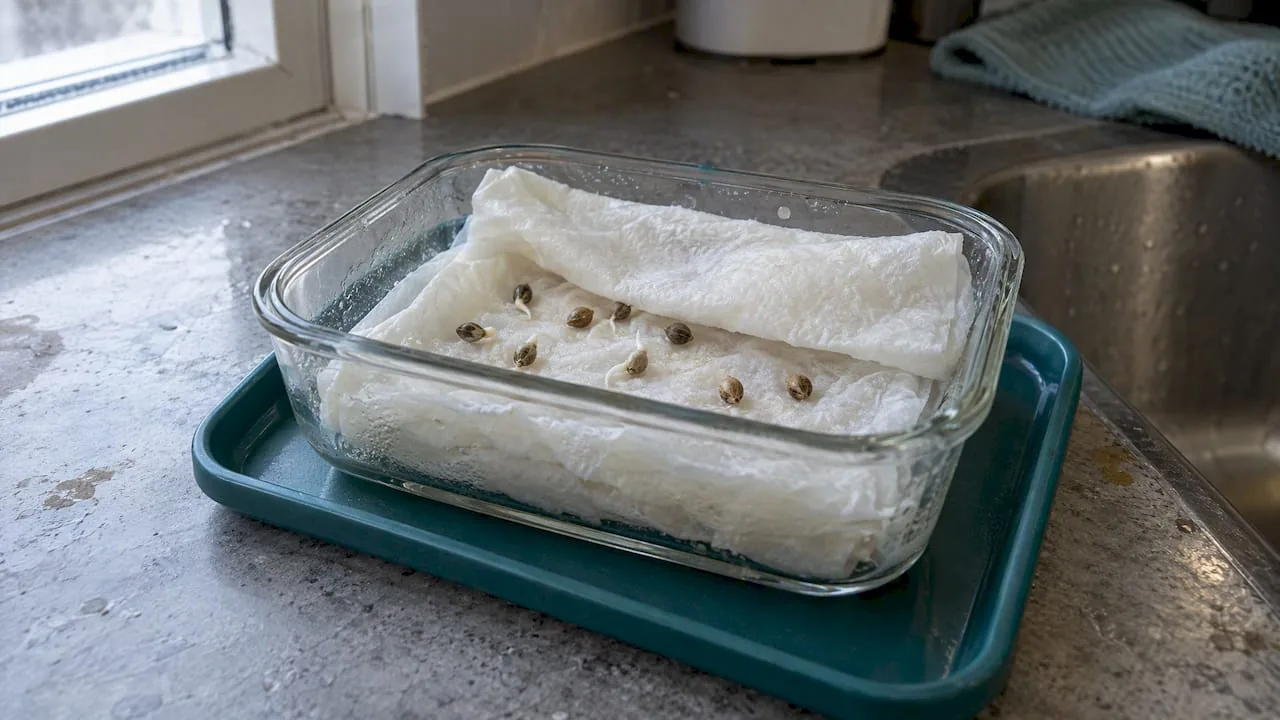
The damp towel method between two plates is still the most reliable: it keeps humidity constant and lets you see the root before moving the seed to substrate, avoiding handling the plant more than necessary. Once the root shows a few millimetres, transplant it directly into the final pot, or one very close in size, so you don’t interrupt growth with intermediate transplants, which weigh more than they seem in a micro grow.
Keep the temperature between 22 and 25 degrees during germination and avoid too much water, which drowns the seed before it manages to open. With autoflowering plants this step matters even more, because the flowering clock starts ticking from day one and cannot be paused. The complete guide on how to germinate cannabis seeds details the process step by step, including common mistakes that delay the emergence of the root.
Planning the full cycle, from seed to harvest, in a small space
Planning before germinating is what separates a tidy micro-grow from one improvised halfway through. Start by counting backwards from the date you want to harvest and subtract the total cycle of the chosen genetics, including a one-week margin for the unexpected.
With autoflowering plants, the full cycle usually lasts between 60 and 80 days from germination, with no phases you can lengthen or shorten at will. That means having your setup ready (light, pot, substrate) before planting the seed, because there is no time to improvise once the clock starts ticking. With photoperiod plants, the vegetative stage is flexible: you can keep it short, two or three weeks, if space is very tight, or extend it if the plant needs more structure before the light change.
Divide the cycle into blocks with clear goals: germination and the first two weeks of seedling stage, vegetative growth with low-stress training, the switch to flowering (photoperiod plants only) and the final weeks of bud fattening. Check the plant’s condition at the end of each block to decide whether you need to adjust watering, nutrients or the position of the light before moving on to the next stage.
Legal aspects of small-scale growing with seeds
Spanish legislation distinguishes between growing for personal use in a private, non-visible space and other forms of cultivation or distribution, which are subject to administrative or criminal penalties depending on the quantity and purpose. A small domestic grow, hidden from public view and with no intent to sell, falls into an area that many courts have treated with greater tolerance, although the regulations do not offer an express or uniform authorisation across the whole country.
The sale of cannabis seeds is legal in Spain as a collectible product or for germination in countries where growing is permitted; what the law strictly regulates is what is done with those seeds afterwards. That is why it’s worth finding out about the regulations in your autonomous community before setting up any grow, however small, and not assuming that the rules are identical across the whole country. If you have any specific doubt about your situation, the only reliable source is a specialised legal adviser, not a forum or an online shop.
Pest control and prevention in micro grows
A small space has one advantage over outdoor growing: it is much easier to keep a close eye on each plant, so spotting a pest in time depends above all on how consistently you check the leaves and substrate.
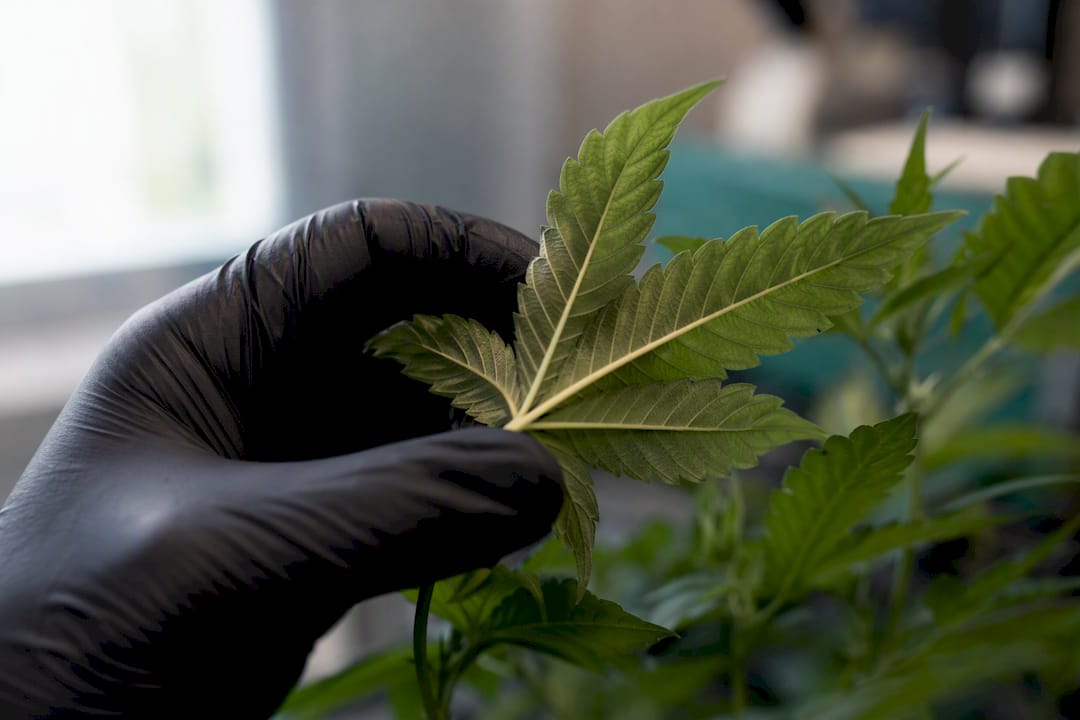
The most common pests in small grow tents are red spider mite, thrips and powdery mildew, all favoured by environments with poor air circulation and badly regulated humidity. Check the undersides of the leaves every two or three days, looking for small yellow dots or fine webbing, an early sign of red spider mite before the infestation spreads.
Prevention matters more than cure in micro-growing: keep good air extraction, avoid excess ambient humidity and don’t crowd the plants so much that you block circulation between the leaves. If you spot an early pest problem, treatments with neem oil or potassium soap are usually enough in the early stages, with no need to resort to harsher products that would leave residue on the final bud. Immediately quarantining any new plant before introducing it to the main space stops an isolated problem from turning into a widespread infestation.
What really makes the difference in micro growing
Genetics matters more than most guides admit. There’s a lot of talk about lights, pots and training techniques, and very little about the fact that a poorly selected seed can ruin all your work even if the setup is perfect. An autoflowering plant with unpredictable stretch in a tent with 80 cm of clear height can’t be fixed with more LST; it’s fixed by choosing different genetics next time.
Conventional wisdom insists that micro-growing is all about growing tricks: how much light, which pot, when to bend a branch. All of that matters, but it is secondary to starting from seeds with proven phenotypic stability. Buying cheap seeds with no traceability is the number one reason novice growers repeat the same mistakes grow after grow, thinking the fault lies in their technique.
If I had to prioritise a single change for someone starting out in small spaces, it would be this: invest in the right genetics first, then worry about optimising the light or the substrate. The seed bank you choose sets the ceiling for what you can achieve; the rest of the management only decides how close you get to that ceiling.
Where to buy reliable seeds for your next micro grow
Bluedog Genetics solves the problem that frustrates growers in small spaces the most: buying a seed with a generic spec sheet and discovering halfway through the grow that it wasn’t as compact or predictable as promised. The Bluedog Genetics selection is based on real height and cycle data, not inflated catalogue figures, and every order arrives with discreet shipping and tracking, something that matters as much as the genetics itself in a home micro grow.
If you already know you want a compact autoflowering for your next cycle, take a look at the options available in the seed shop or go straight to the home page of Bluedog Genetics to see the featured varieties of the moment. Add your choice to the basket and confirm the order: tracking and the quality guarantee do the rest.