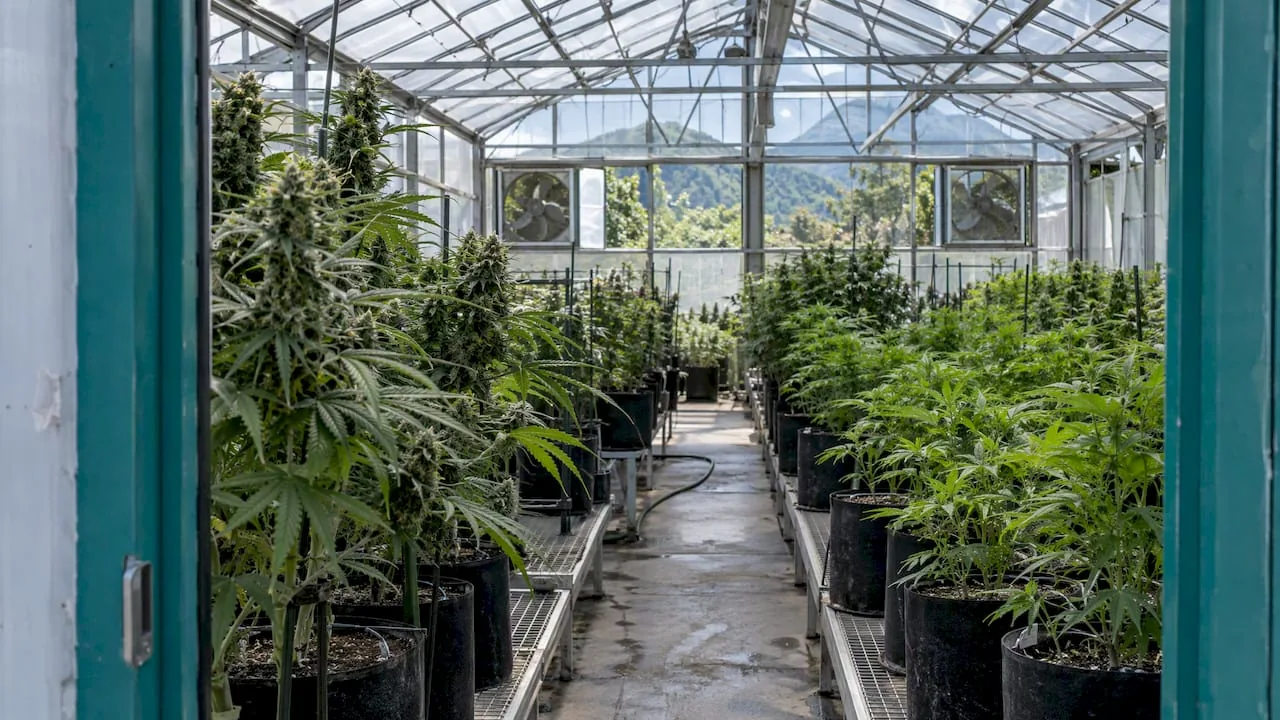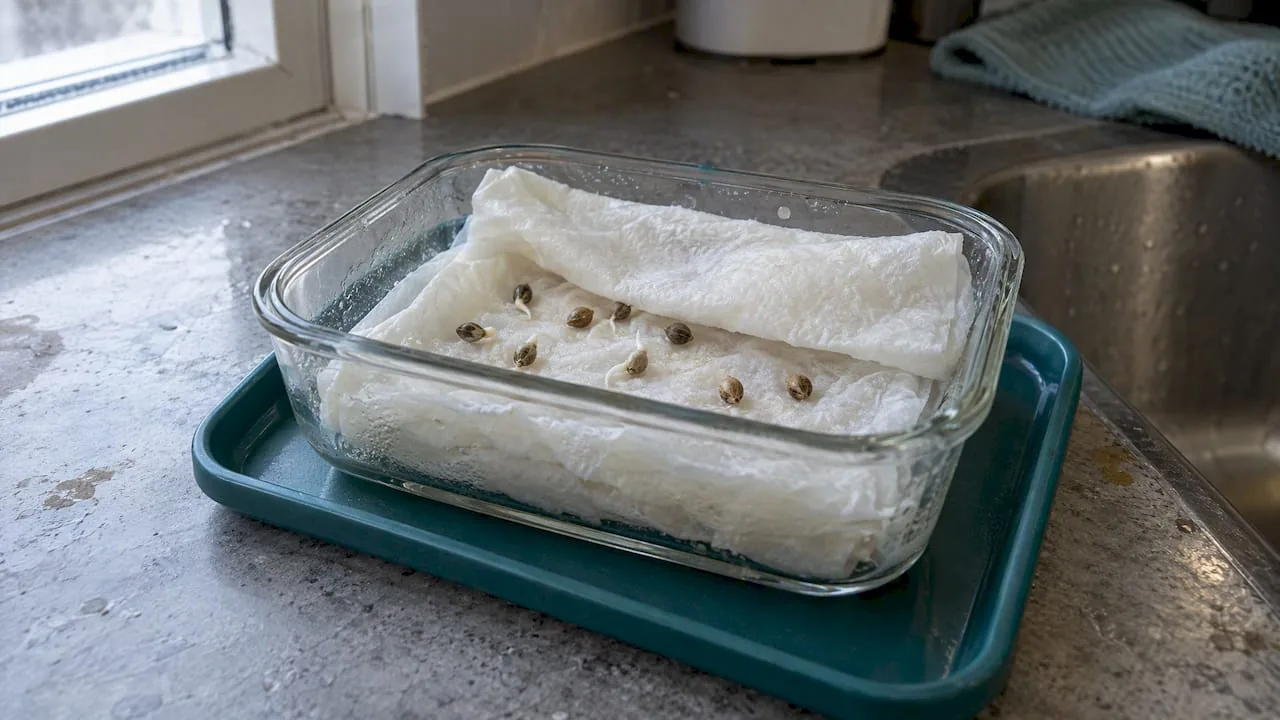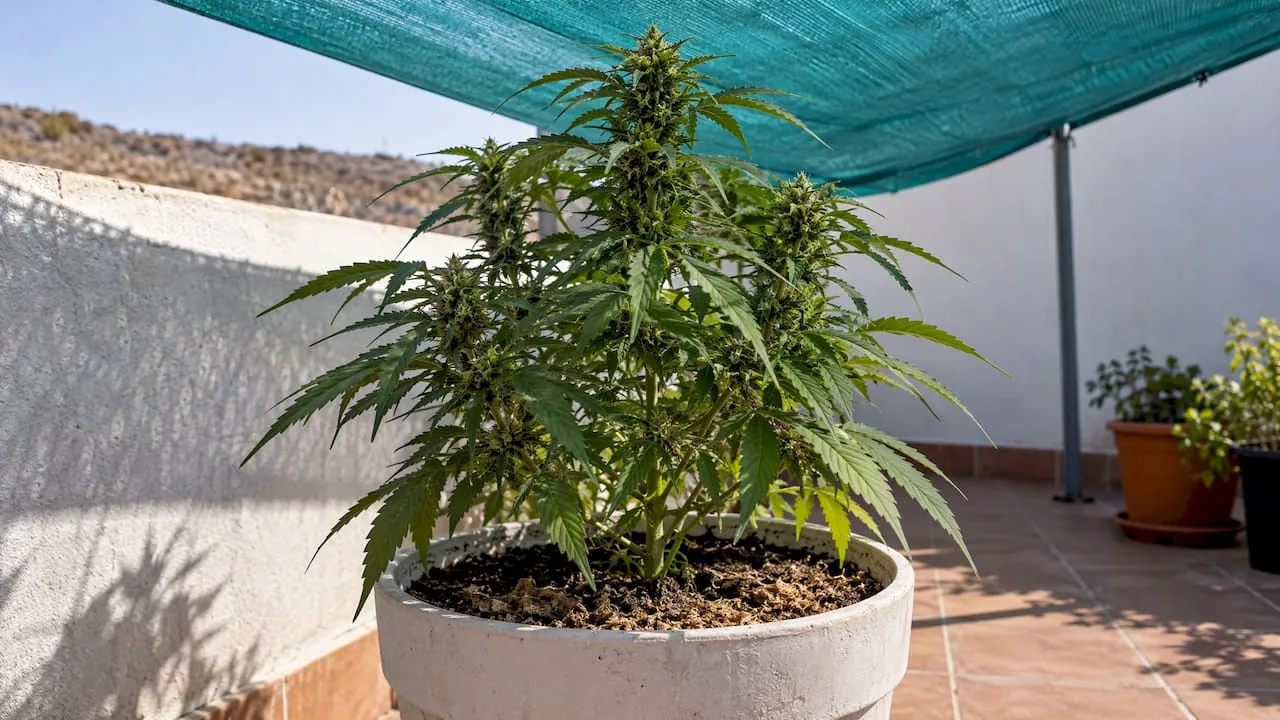


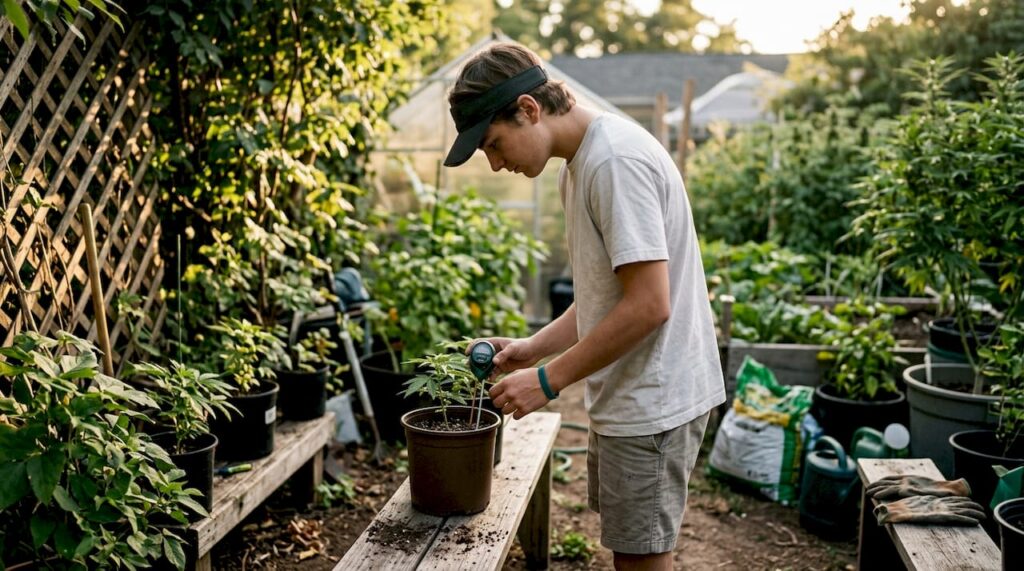
Budget autoflowering seeds are cannabis varieties that combine Cannabis ruderalis genetics with flowering that is independent of the photoperiod, cycles of 8–12 weeks and affordable prices for any budget. They are the most practical option for home growers who want constant production without investing in complex equipment or paying for premium genetics. If you’re looking for options that really work in a cabinet, on a balcony or in a small garden, this guide covers everything you need to know: characteristics, selection criteria, growing techniques and basic legal considerations, and the Bluedoggenetics catalogue is a good place to start comparing.
In short:
- Budget autoflowering varieties combine ruderalis genetics with 8–12 week cycles and heights of 40–90 cm, ideal for small spaces.
- Modern varieties can exceed 20–25 % THC, matching many traditional feminised ones despite their low price.
- Only gentle LST is compatible with its fixed life cycle; topping and main-lining leave no recovery time.
- Germinating directly in the final 11–15 litre pot avoids the transplant stress that these plants cannot afford.
- Bluedoggenetics offers autoflowering and feminised seeds with verified genetics, discreet shipping and personalised advice.
What characteristics define cheap autoflowering seed options?
Autoflowering seeds flower by age, not by hours of light. That is the fundamental difference compared with photoperiod feminised seeds, which depend on a change to 12 hours of darkness to start flowering. Ruderalis genetics, originating from regions with short summers such as Siberia and Central Asia, provide that internal biological clock that makes cycles of 8–12 weeks from germination to harvest possible.

That short cycle has a direct impact on size. Most budget autoflowering plants don’t grow taller than 60–90 cm, which makes them perfect for small spaces such as grow tents, balconies or terraces. Compact size isn’t a flaw: it’s a real advantage when space and discretion matter.
In terms of yield, autoflowering plants produce less per plant than a well-trained feminised one. However, their speed allows multiple cycles per year, which makes up for that difference in total production. A grower with space for four plants can rotate harvests every two months and maintain a continuous supply.
Autoflowering versus photoperiod feminised seeds
| Characteristic | Autoflowering | Feminised photoperiod seeds |
|---|---|---|
| Total cycle | 8–12 weeks | 16–24 weeks |
| Photoperiod control | Not necessary | Mandatory |
| Medium height | 40–90 cm | 80–200 cm |
| Training techniques | Gentle LST only | LST, topping, main-lining |
| Harvests per year (indoor) | 4–5 | 2–3 |
| Difficulty level | Low-medium | Medium-high |
Autoflowering plants don’t tolerate aggressive techniques such as topping or main-lining because their life cycle is fixed. A mistake in the first week can’t be corrected: the plant follows its internal clock regardless of the state it’s in. That’s why careful handling from germination isn’t optional, it’s the foundation of a good harvest.
What are the best cheap autoflowering seed options depending on use?
Choosing well among cheap autoflowering seed options requires evaluating four factors: potency, resilience, adaptability to space and the reputation of the seed bank. Not all budget seeds are equal, and the difference between mediocre genetics and well-selected genetics shows directly in the harvest.
Modern autoflowering varieties can exceed 20–25 % THC, matching many traditional feminised seeds. That debunks the myth that affordable seeds mean lower quality. Genetics have come a long way in the last decade, and today you can find affordable varieties with solid cannabinoid profiles.
Criteria for choosing quality budget seeds
- Potency and cannabinoid profile: look for varieties with THC verified by the seed bank. Many affordable genetics offer balanced THC/CBD profiles that are ideal for recreational and medicinal use.
- Resistance to pests and fungi: genetics with ruderalis heritage tend to be more resistant to mould and variable temperatures. This reduces costs on fungicides and preventive treatments.
- Adaptability to space: for indoor growing, prioritise varieties under 70 cm. For outdoor or balcony growing, you can afford a bit more height if the space allows.
- Price per seed versus germination rate: a cheap seed with a low germination rate works out more expensive than a mid-priced seed with a 95% guarantee. Always check the seed bank’s guarantees.
- Reputation of the seed bank: buying seeds from certified shops ensures quality, legality and a higher success rate in home growing.
Comparison of popular budget seed profiles
| Variety profile | Strengths | Limitations | Ideal use |
|---|---|---|---|
| Compact indica-dominant | Abundant harvest, relaxing effect | Less complex aroma | Indoor, small grow tents |
| Fast sativa-dominant | Cerebral effect, good yield | Greater height, more light | Outdoor, sunny balconies |
| Balanced hybrid | Versatility, good THC/CBD profile | Results vary by phenotype | Indoor and outdoor |
| Budget high-CBD | Medicinal profile, very resilient | Low THC | Therapeutic use, beginners |

💡 Pro tip: buy packs of 3 or 5 seeds of different varieties before placing a big order. Trying several phenotypes lets you identify which one best suits your space and technique before committing to a single genetic line.
To find out more about which varieties work best for your setup, check out the best autoflowering strains for indoor growing with a detailed analysis by space and budget.
How can you maximise yield with autoflowering seeds for growing?
The yield of a budget autoflowering plant depends more on management than on genetics. A grower with good technique gets more from a cheap seed than a careless one does with premium genetics. These are the steps that make the difference.
- Germinate directly in the final pot. Planting straight into an 11–15 litre final pot from the start avoids transplant stress. Autoflowering plants don’t have time to recover from a poorly executed transplant.
- Use gentle LST from the second week. Low Stress Training involves bending and tying down the side branches to expose more flowering sites to the light. It is the only training technique compatible with the short cycle of these plants.
- Control watering precisely. Too much water is the most common mistake. Water when the top 2–3 cm of the substrate feel dry to the touch. An airy substrate with good drainage reduces the risk of root rot.
- Feed sparingly. Autoflowering plants are sensitive to overfeeding. Use nutrient doses at 50–70 % of what’s recommended on the label during the first few weeks and adjust according to how the plant responds.
- Keep 18–20 hours of light indoors. An 18–20 hour light cycle does not trigger flowering, but it does maximise photosynthesis and overall yield. Reducing the light below 16 hours penalises production with no benefit.
- Plan multiple cycles a year. Outdoors, aligning the cycle with the stable climate window allows two full harvests between May and September in temperate climates. Indoors, continuous rotation is possible all year round.
💡 Pro tip: if you grow outdoors in humid areas, choose genetics with mould resistance and finish the cycle before the autumn rains. A well-planned 60–75 day cycle avoids losses from botrytis during the flowering stage.
To get the most out of every plant, check out this guide to yields with autoflowering plants, with techniques you can apply from your very first grow.
What legal considerations should growers keep in mind when buying cheap seeds?
The legal framework for growing cannabis at home varies greatly from country to country, and knowing it before buying seeds is just as important as choosing the right genetics. Ignoring local regulations can turn a discreet grow into a serious problem.
- Check the permitted plant limit. In some countries, home growing of up to 3 plants for personal use is decriminalised or regulated. Exceeding that limit can have legal consequences even if the intention is personal.
- Buy from shops with legal backing. Seeds in the legal grey area are sold in many countries as “collectibles”. Buying from registered shops that offer guarantees protects growers against possible problems with provenance.
- Stay discreet when buying and growing. Discreet shipping with no explicit references to the contents is standard practice for reputable seed banks. Bluedoggenetics, for example, guarantees discreet shipping with order tracking.
- Avoid surpluses that raise suspicion. Plan your production according to your real consumption. Several small harvests a year are safer and more practical than a single large one.
- Grow in private spaces. An indoor balcony, a wardrobe or a greenhouse in a private garden reduces the visibility of the grow and minimises unnecessary risks.
- Document your purchases. Keep the receipts for seeds bought from legal shops. That documentation can be relevant if you ever need to demonstrate the lawful origin of the plant material.
Key points
Budget autoflowering seeds are the most efficient option for home growers who prioritise fast cycles, low cost and discretion over maximum yield per plant.
| Point | Details |
|---|---|
| Short and productive cycle | Autoflowering plants complete their cycle in 8–12 weeks, allowing several harvests a year. |
| Modern ruderalis genetics | Current varieties can exceed 20–25 % THC, matching traditional feminised ones. |
| Management without transplanting | Germinating directly in an 11–15 litre pot avoids stress and protects the fixed biological cycle. |
| Constant light indoors | An 18–20 hour light cycle maximises yield without affecting automatic flowering. |
| Buy from certified sources | Buying seeds from shops with legal backing guarantees quality, legality and a reliable germination rate. |
What years of growing teach you about budget autoflowering strains
The classic mistake when starting with autoflowering plants is thinking that “easy to grow” means “needs no attention”. First harvests are usually mediocre precisely because people underestimate how critical the first two weeks are. An autoflowering plant that starts out stressed does not recover: it carries on, but never reaches its potential.
What changes the results is understanding that the fixed biological cycle is both an advantage and a limitation. You can’t extend the vegetative phase if the plant isn’t ready. That is why prior preparation, the right substrate and the final pot from day one are not minor details: they are the foundation of everything.
It’s also not worth obsessing over yield per plant. A well-managed budget autoflowering plant in a 60 x 60 cm cabinet can give regular harvests of good enough quality for personal use. For more production, the efficient approach is to add more plants or cycles, rather than complicating things with aggressive techniques that cost you more than they give back.
The most honest advice: combine affordable autoflowering plants with a photoperiod feminised one in the rotation. Autoflowering plants give you speed and continuity. Feminised ones give you the yield and maximum potency when there is time and space for a long cycle. That combination, well planned, is the most efficient approach for a home grow. You can explore the key differences between varieties to decide which mix works best in your setup.
Bluedoggenetics: autoflowering seeds with verified genetics
Bluedoggenetics brings together a curated selection of autoflowering and feminised seeds with premium genetics, competitive prices and discreet shipping with order tracking. Every variety available in the Bluedoggenetics shop goes through a selection process that guarantees a high germination rate and consistency between phenotypes. The team offers personalised advice to help you choose the most suitable genetics for your space, experience and production goals. If you’re looking for cheap autoflowering seeds without giving up quality, the Bluedoggenetics catalogue includes affordable options backed by a reputable seed bank.
Frequently Asked Questions
How long does an affordable autoflowering seed take to flower?
Autoflowering seeds complete their cycle in 8–12 weeks from germination, without depending on the photoperiod. That cycle is fixed and cannot be extended, regardless of how you manage the plant.
Do cheap autoflowering seeds have good potency?
Modern autoflowering varieties can exceed 20–25 % THC, matching many traditional feminised ones. A low price does not mean low potency if you choose genetics from seed banks with a verified reputation.
Can I top a budget autoflowering plant?
No. Autoflowering plants do not tolerate aggressive techniques such as topping or main-lining because their fixed life cycle does not allow for recovery. Only gentle LST is compatible with their development.
How many harvests a year can I get with autoflowering plants?
Indoors you can get 4–5 harvests a year with continuous cycles. Outdoors, in temperate climates, two full cycles are possible between May and September.
Where to buy affordable autoflowering seeds with guarantees?
The best option is to buy them from registered seed banks with a germination guarantee and discreet shipping. Bluedoggenetics offers seeds with order tracking, personalised advice and affordable prices for all experience levels.
Sources
- Autoflower anbauen: warum die selbstblühenden Sorten ideal für Einsteiger sind | Hanf Magazin
- Autoflowering seeds vs feminised seeds: the definitive guide | TiendaTHC
- Autoflowering seeds: advantages, disadvantages and growing tips | Crónica Norte
- Outdoor Cannabis Anbau 2026: Jahresguide für legalen Eigenanbau | Hanf Magazin
- Czech Cannabis Home Growing Guide 2026 | Weed.cz