

Seeds for beginners are those cannabis varieties designed to tolerate watering mistakes, temperature fluctuations and imperfect conditions without losing yield or quality. Choosing well from the start makes the difference between a satisfying harvest and a frustrating cycle. Varieties such as Afghan Skunk and Critical top the 2026 ranking precisely because of their resilience and ease of handling. Bluedoggenetics offers a curated selection of these varieties with discreet shipping and a quality guarantee, designed so that any beginner can get off to a good start.
In short:
- Afghan Skunk and Critical lead the 2026 ranking of seeds for beginners thanks to their tolerance of watering, climate and nutrition mistakes.
- Autoflowering seeds remove the need to control the photoperiod, while feminised ones prevent male plants from appearing.
- The damp paper method, with a temperature between 22 and 26 °C and controlled humidity, improves the germination success rate.
- Growing a single variety in the first cycle, rather than several at once, speeds up learning and reduces handling mistakes.
- Bluedoggenetics offers selected feminised and autoflowering seeds with discreet shipping and personal support for those who are starting to grow.
What characteristics make a seed suitable for beginners?
Tolerance for mistakes is the most important trait in seeds for beginners. A robust variety copes with irregular watering, temperature changes and minor slip-ups without collapsing. That gives you room to learn without losing your harvest.
These are the features you should look for:
- Resistance to pests and fungi: Varieties with indica genetics tend to have greater natural resistance to botrytis and mites.
- Short, predictable flowering cycle: Fewer weeks in flowering means less time exposed to mistakes and adverse conditions.
- Stable genetics: A seed with a uniform phenotype responds predictably, which makes learning easier.
- Feminised seeds: Feminised seeds eliminate the appearance of male plants, which simplifies the process and avoids accidental pollination.
- Autoflowering varieties: They flower with age, not with changes in light. That makes them ideal for indoor spaces or outdoor growing with variable light.
Photoperiod seeds require precise control of the light cycle. For a beginner, that variable adds unnecessary complexity in the first cycle. Autoflowering seeds eliminate that problem completely.
💡 Professional tip: Start with a single variety in your first grow. Handling several genetics at the same time makes tracking more complicated and makes it harder to identify what works and what doesn’t.

The 6 best recommended seeds for beginners in 2026
1. Afghan Skunk
Afghan Skunk is the most recommended variety for beginners in the 2026 ranking. Its genetics give it exceptional resistance to climate, irregular watering and feeding mistakes. It produces between 400 and 500 g/m² with basic techniques, which makes it a very rewarding option for a first cycle. Its earthy aromatic profile and relaxing effect are a bonus for those looking for quality from the start.
2. Critical
Critical is the benchmark variety when the goal is accessible production. It reaches 500–600 g/m² indoors with simple techniques, which places it among the most profitable for novices. It forgives common mistakes such as overwatering or a lack of nutrients in the early stages. Its flowering cycle is short, which reduces the time of exposure to environmental problems.
3. Strawberry Gum
Strawberry Gum stands out for its fruity aromatic profile and its ease of growing. It is a compact variety, ideal for small spaces and indoor growing with little height available. Its balanced sativa-indica genetics make it tolerant of temperature variations. For a beginner who wants to enjoy the process as much as the result, it is a very rewarding choice.
4. Gorilla Glue #4
Gorilla Glue #4 is the option for beginners who want to experiment with potency. Its resin production is visibly high, with dense trichomes covering the flowers from early stages. It needs a little more attention than Afghan Skunk, especially when it comes to controlling humidity during flowering. It is a good second step after successfully completing a first cycle.
5. Gelato #33
Gelato #33 attracts beginners with its sweet, creamy flavour profile, but it demands more experience than the previous ones. It can exceed 24–25 % THC in optimal conditions, which makes it a high-yielding variety. It is recommended as a third or fourth variety, once the grower has already mastered basic environmental control. Its phenotype can vary, which calls for closer observation during the cycle.
6. Northern Lights
Northern Lights is a classic that never lets beginners down. Its genetics, said to be pure, make it extremely resistant to cold, humidity and handling mistakes. It produces dense, resinous flowers with a flowering cycle of 7–9 weeks. It’s the perfect variety for those growing outdoors in temperate or cold climates.
Choosing the right variety in the first cycle is not just a matter of preference. It is the decision that determines whether the beginner learns successfully or gives up before harvesting.
Practical tips for germinating and caring for your first seeds
Germination is the most delicate moment of growing. A seed that doesn’t germinate well will never reach its genetic potential. Fortunately, with the right steps, the success rate is very high.
Follow these steps for trouble-free germination:
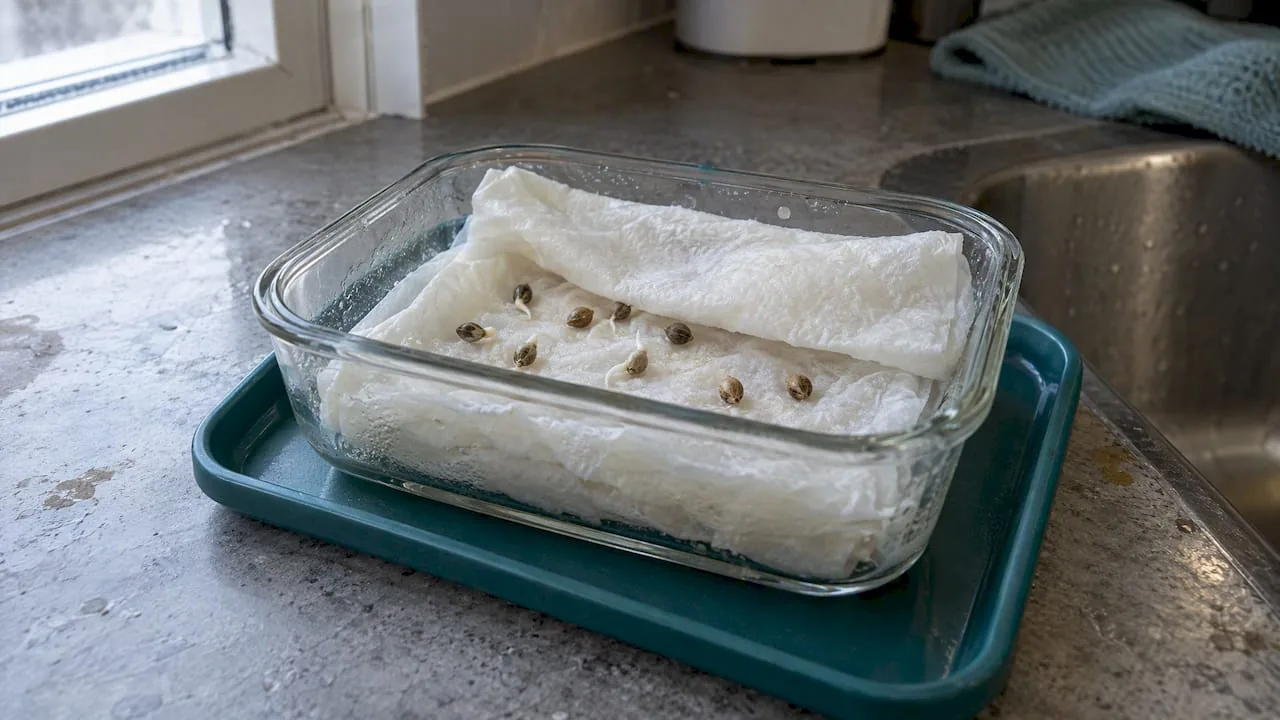
- Use the damp paper method: Place the seed between two layers of damp kitchen paper, inside a closed container. Keep the temperature between 22 and 26 °C.
- Control the humidity: A seed germinator keeps temperature and humidity conditions stable, which noticeably improves the success rate.
- Don’t touch the seed with your hands: The natural oils on your skin can damage the radicle. Use tweezers or latex gloves.
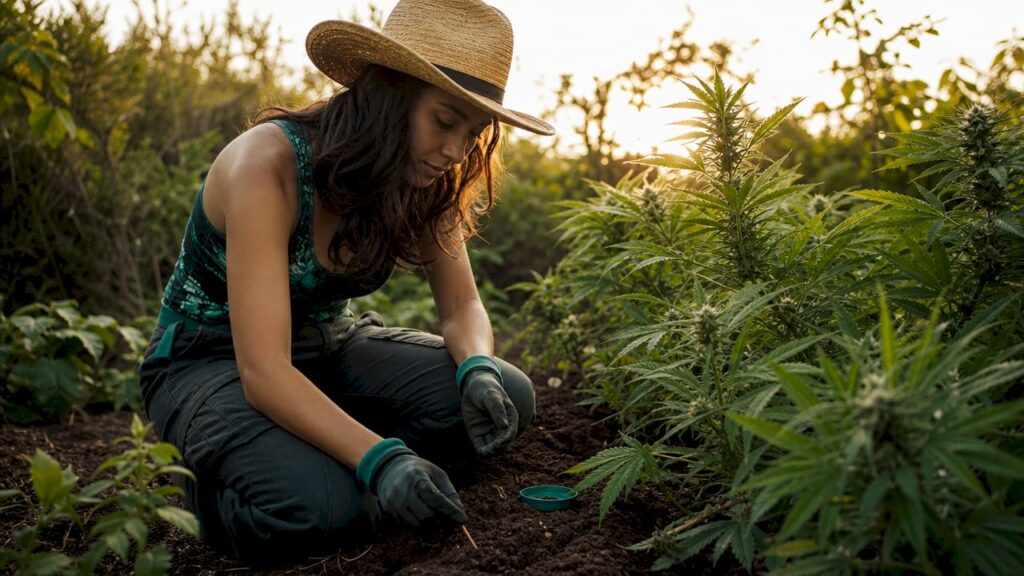
- Transplant carefully: When the radicle measures 1–2 cm, transplant into a light substrate with good drainage, such as a mix of peat and perlite.
- Avoid overwatering: The most common mistake among beginners is overwatering. The substrate should be moist, not waterlogged. Let the top layer dry out between waterings.
Once the plants are growing, environmental control makes the difference. Keep the temperature between 20 and 28 °C during the day and the relative humidity between 50 and 70 % in the vegetative stage. Lower the humidity to 40–50 % in flowering to prevent mould.
Controlling odour with activated carbon filters is something many beginners forget until they are already in the middle of flowering. Install the filter before the plants start to flower, not after.
💡 Pro tip: Keep a grow diary from day one. Note down watering, temperatures, nutrient doses and any change you observe. That record will teach you more than any guide.
Comparison of easy seed types for beginners
Choosing the right type of seed depends on your space, your experience and the time you can dedicate to growing. The table below summarises the key points to help guide your decision.
| Seed type | Ease | Cycle time | Yield | Light control | Recommended for |
|---|---|---|---|---|---|
| Autoflowering | Very high | 8-10 weeks | Medium | Not necessary | First indoor or outdoor grow |
| Photoperiod feminised | High | 10–14 weeks | High | Necessary | Second cycle with more control |
| Regular | Low | Variable | Variable | Necessary | Experienced growers |
Autoflowering seeds are the easiest option to start with. They flower with age regardless of the hours of light, which removes one of the most complex variables of growing. Their short cycle also means you can complete several cycles a year and learn faster.
Photoperiod feminised seeds offer higher yield and quality, but they require you to control the photoperiod precisely. They are the natural step after mastering a first autoflowering cycle. Regular seeds produce both male and female plants, which complicates the process and offers no real advantages for a beginner.
When and how should you choose seeds for urban gardens?
Urban growing has its own rules. Space is limited, ventilation can be a problem and odour control becomes a priority. The good news is that there are varieties perfectly suited to these conditions.
For an urban vegetable garden, look for these characteristics in your seeds:
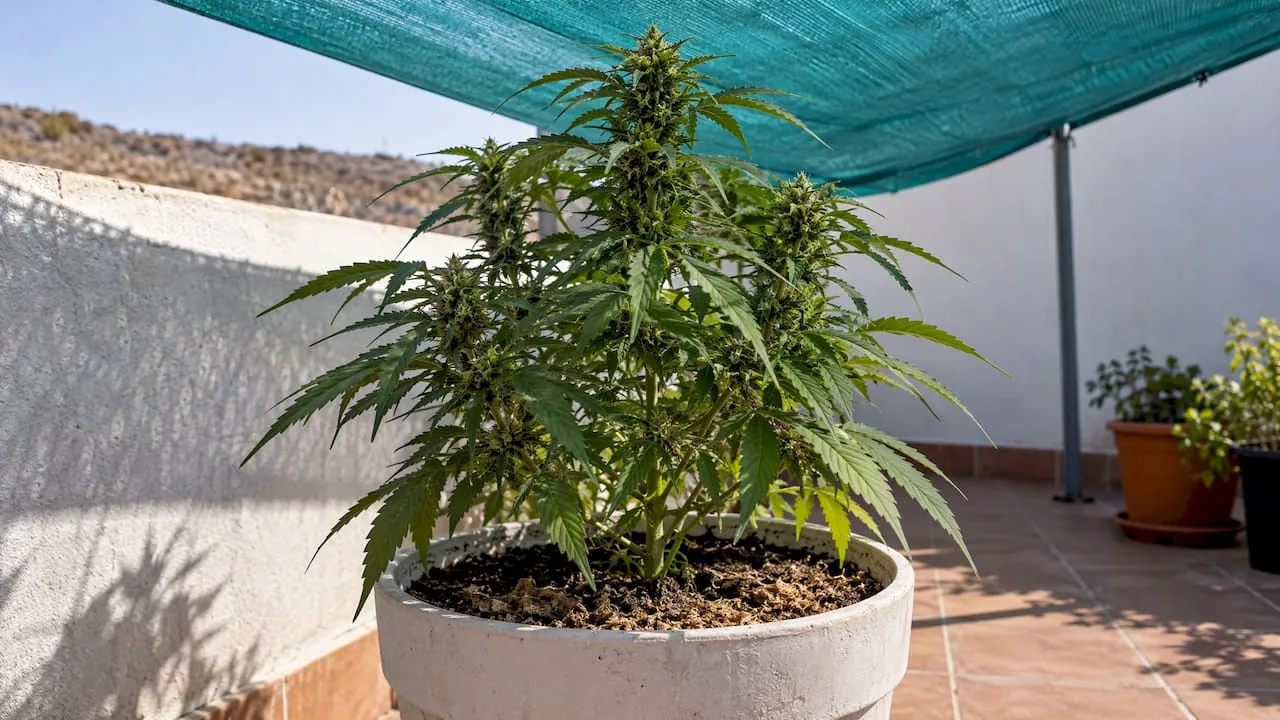
- Compact size: Varieties that don’t exceed 80–100 cm indoors. Afghan Skunk and Strawberry Gum are good examples.
- Short cycle: Less time in flowering reduces exposure to humidity problems in enclosed spaces.
- Stress resistance: Plants in small spaces receive less light and more heat. Resilient genetics compensate for those conditions.
- Low odour during growth: Some varieties give off intense aromas from the vegetative stage. Choose genetics with a moderate aroma profile if odour is a concern.
Ventilation is the factor that most beginners underestimate in urban growing. An extractor fan suited to the volume of your space and an activated carbon filter are investments that protect your grow and your privacy.
💡 Pro tip: For your first urban garden, choose feminised autoflowering seeds from Bluedoggenetics. They combine the ease of autoflowering plants with the guarantee of producing only female plants, which makes the most of your space.
Key points
The best seed for beginners is one that tolerates mistakes, flowers quickly and delivers satisfying results from the very first cycle.
| Point | Details |
|---|---|
| Afghan Skunk as a starting point | Yields 400–500 g/m² and tolerates watering and climate errors, ideal for a first cycle. |
| Feminised seeds eliminate complications | They avoid male plants and simplify the process for any beginner. |
| Autoflowering seeds for urban gardens | An 8–10 week cycle with no light control, perfect for small spaces. |
| One cycle, one variety | Growing a single genetic in the first cycle speeds up learning and reduces mistakes. |
| Environmental control from the start | Installing carbon filters and controlling humidity before flowering prevents the most common problems. |
What I learnt growing my first seeds
When I started growing, I made the classic mistake: I bought five different varieties for my first cycle because I wanted to try everything. The result was chaos. Each plant needed different things, the cycles didn’t line up and in the end I learnt nothing from any of them.
The most valuable lesson I can give you is this: start with a single variety and grow it with full attention. Learn how it responds to watering, how its colour changes during flowering, when it asks for more nutrients. That information is worth more than any theory.
Afghan Skunk was the variety that gave me back my confidence after that disastrous first cycle. Its resilience gave me room to make mistakes and correct them without losing the harvest. If I had to recommend just one variety to get started, it would always be that one.
The seed market in 2026 offers more options than ever, and that can overwhelm a beginner. My advice is to ignore the noise and focus on the basics: a robust variety, a quality substrate and patience. Growing cannabis is a process you learn by doing, not by reading. Every cycle teaches you something new, and that’s what makes it so satisfying.
Premium seeds for beginners at Bluedoggenetics
Bluedoggenetics brings together a selection of feminised and autoflowering seeds designed for growers who want quality from the very first cycle. Every variety in the catalogue goes through a rigorous selection process that guarantees genetic stability and reliable germination. Shipping is discreet, order tracking is transparent and the customer service team answers your questions before, during and after your purchase. If you’re looking for Afghan Skunk, Critical or any other variety from the 2026 ranking, you’ll find them available at competitive prices with frequent promotions. Browse the full catalogue and choose the variety that best suits your space and your goals.
Frequently Asked Questions
Which seeds are best for an absolute beginner?
Afghan Skunk is the most recommended variety for beginners thanks to its resilience and tolerance of mistakes. It yields between 400 and 500 g/m² with basic techniques.
Are autoflowering or feminised seeds better for beginners?
Autoflowering plants are simpler because they don’t require photoperiod control. Feminised ones offer higher yields, but demand more attention to the light cycle.
How many varieties should I grow in my first cycle?
Growing a single variety in the first cycle is the most recommended practice. It lets you identify the specific needs of that genetics and learn without additional complications.
How do I know if a seed has germinated correctly?
A seed has germinated well when the radicle measures between 1 and 2 cm and is white. At that point it is ready to be transplanted into the substrate.
Do I need a carbon filter from the start?
Installing the carbon filter before flowering is the right practice. Many beginners fit it late and already have odour problems that are difficult to control.