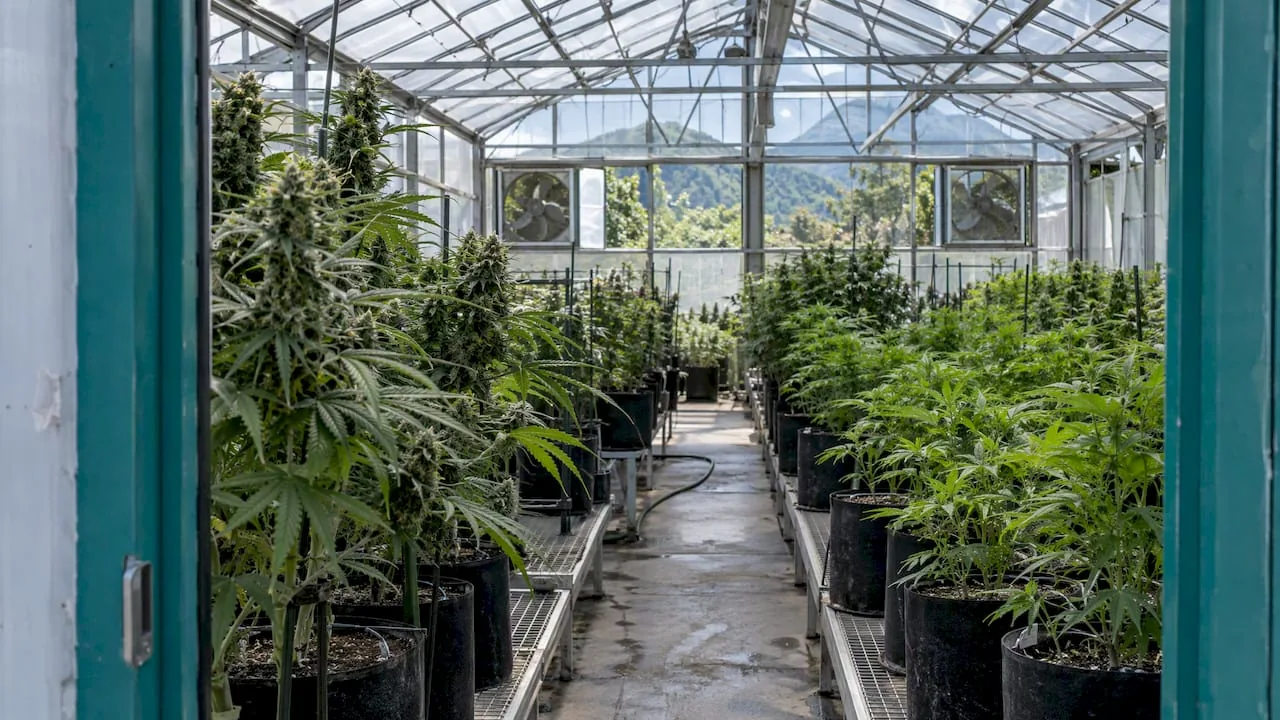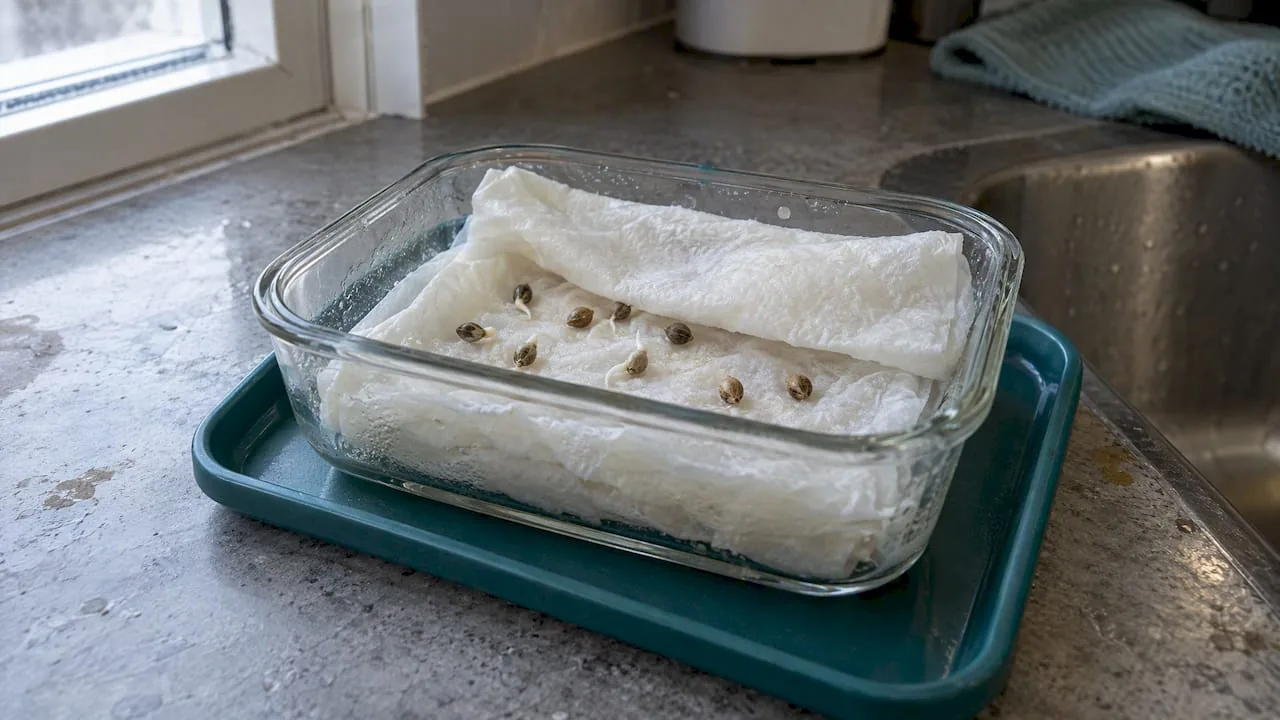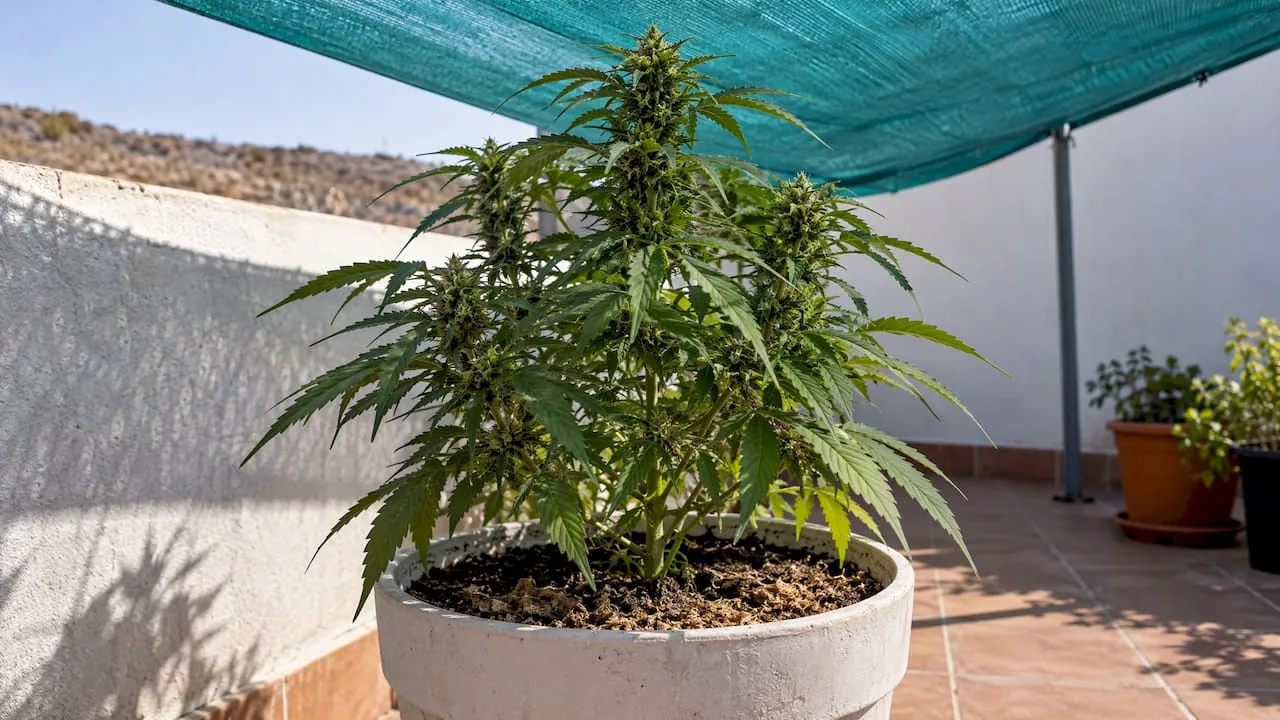



Feminised photoperiod seeds are cannabis varieties genetically modified to produce only female plants, whose flowering depends on receiving exactly 12 hours of continuous darkness. Choosing feminised photoperiod seeds wisely makes the difference between an abundant harvest and a lost cycle. The right decision depends on three factors: the seed bank’s genetics, the light control in your space and the sensory profile you are looking for. Seed banks such as Royal Queen Seeds, Barney’s Farm or BSF Seeds publish detailed data sheets that make comparison easier, but knowing what to look for in those sheets is what really gives you the advantage.
In short:
- Evaluating feminised photoperiod seeds means checking the flowering cycle, resistance, height, terpene profile, the seed bank’s traceability and suitability for indoor or outdoor growing.
- Photoperiod plants need exactly 12 hours of continuous darkness to flower, unlike autoflowering plants, which don’t depend on the light cycle.
- A single exposure to 1–2 lux for 30 seconds during the dark phase can reverse flowering or cause hermaphroditism.
- The terpene profile, not just the THC percentage, is what determines the real sensory experience of each variety.
- Buying from seed banks with documented traceability and complete technical data sheets reduces the risk of unstable phenotypes or yields below what was promised.
What characteristics should you evaluate when choosing feminised photoperiod seeds?
Quality feminised photoperiod seeds can be recognised by six technical attributes worth checking before you buy. Ignoring any of them can cost you weeks of growing.
- Flowering cycle length. Most photoperiod varieties flower between 8 and 11 weeks after switching to 12/12. Varieties with shorter cycles, such as Critical or White Widow, fit better in spaces with limited seasons.
- Resistance to pests and fungi. Strains with Kush or Afghani genetics tend to tolerate humidity and red spider mite better. If you grow outdoors in humid areas, this trait is not optional.
- Height and structure. A pure Sativa plant can exceed 2 metres outdoors. If your space is a 1.2-metre wardrobe, you need an Indica-dominant variety or a compact hybrid such as Northern Lights.
- Cannabinoid and terpene profile. The terpene profile is the real differentiator between varieties of similar potency. Citrus profiles like that of Lemon Haze, earthy ones like those of OG Kush or sweet ones like those of Gelato directly affect the final experience.
- Genetic bank and traceability. A serious seed bank documents the lineage of each variety, the crosses made and the expected results. Without that information, you’re buying blind.
- Suitability for indoor or outdoor growing. Some strains, such as Amnesia Haze, perform better outdoors in direct sunlight. Others, such as Critical Kush, behave predictably under LEDs or HPS indoors.
💡 Pro tip: Before buying, download the variety’s data sheet and check that it includes data on THC, CBD, dominant terpenes, estimated height and weeks of flowering. If the sheet doesn’t have that data, the seed bank doesn’t deserve your trust.
The aromatic profile also affects how discreet your grow is. Matching the seed to your environment and personal preferences reduces problems with neighbours and improves the sensory experience. A variety with intense gas terpenes in a small flat is a decision you will regret in week 6 of flowering.

How does the photoperiod influence flowering and the choice of seeds?
Photoperiod is the biological mechanism by which a plant measures the length of darkness to decide when to flower. In photoperiod-dependent plants, flowering is triggered when the dark period exceeds 12 consecutive hours. This process isn’t a suggestion: it’s a precise hormonal signal that the grower controls by adjusting the light timer.
The standard cycle for inducing flowering in photoperiod feminised plants is as follows:
- Vegetative phase: keep a cycle of 18 hours of light and 6 of darkness. This cycle maximises photosynthesis and biomass growth without triggering flowering.
- Cycle change: reduce the photoperiod to 12 hours of light and 12 of darkness. Photoperiod feminised seeds need this transition to start flowering; autoflowering ones do not need that change.
- Keeping it dark: during the 12 hours of darkness, the space must be completely light-tight. Minimal light exposure of just 1–2 lux for 30 seconds can reverse flowering or cause hermaphroditism.
- Continuous monitoring: check door seals, equipment cables with indicator LEDs and any source of residual light. A single green LED on a fan can ruin weeks of work.
“Darkness in flowering is not relative. It is absolute. A photoperiod plant does not negotiate with light.”
The practical difference between photoperiod feminised seeds and autoflowering ones is clear: photoperiod plants give you more control over final size and offer more complex genetic profiles, while autoflowering plants prioritise speed and simplicity. If you’re a beginner and want to understand that comparison better before deciding, Bluedoggenetics’ guide to autoflowering cannabis for beginners gives you the context you need.
How do you evaluate the best photoperiod seeds for your level and space?
Choosing the best photoperiod seeds is not a one-size-fits-all decision. It depends on four personal variables that you should define before opening any catalogue.
| Criterion | Novice grower | Experienced grower |
|---|---|---|
| Flowering cycle | 8–9 weeks (Critical, Northern Lights) | 10–11 weeks (Haze, Amnesia) |
| Estimated height | Under 100 cm (Indica dominant) | Over 150 cm (Sativa or hybrid) |
| Terpene profile | Sweet or fruity (Gelato, Zkittlez) | Complex: gas, earth, incense (OG Kush, Chemdawg) |
| Resistance | High (Afghan, Kush) | Medium or low with technical management |
| Recommended space | Controlled indoor | Advanced indoor or outdoor |

Once you have defined your profile, the selection process follows these specific steps. First, set your goal: are you after maximum yield, discretion, a relaxing effect or a stimulating one? Second, read the verified reviews from other growers on forums such as Grow Diaries or Rollitup, where real results can be compared with the seed bank’s descriptions. Third, use the filters on specialist shops to narrow things down by type, seed bank, flowering time and sensory profile. Filters in trusted shops let you choose seeds by experience level, size, cycle and sensory preference with real criteria.
💡 Pro tip: If you grow outdoors, choose varieties suited to your latitude. The feminised ones recommended for northern Spain or northern Europe are different from those that work in the Mediterranean. Feminised seeds are ideal for areas with long, stable seasons; in short or damp climates, autoflowering ones come out on top.
Common mistakes when buying photoperiod feminised marijuana seeds
Mistakes in choosing feminised cannabis seeds don’t show up at the moment of purchase. They appear in week 4 of flowering, when there’s no going back.
- Ignoring the origin of the seed bank. Buying from reputable seed banks reduces risks and ensures genetic uniformity. A seed without traceability can produce plants with unstable phenotypes, hermaphroditism or yields well below what was promised.
- Underestimating light pollution. Many growers seal the tent but forget about the fan’s USB cable or the gap around the door. Any light source during the dark period compromises flowering.
- Not calculating the final size. A Sativa variety that promises “up to 200 cm” outdoors can reach 120 cm indoors with correct training, but without that training it will exceed the available space by week 5.
- Choosing by THC and forgetting about terpenes. Two varieties with 22% THC can offer completely different experiences if one has dominant myrcene and the other has limonene. The terpene profile determines the real effect.
- Buying without guarantees or enough information. If the shop doesn’t offer order tracking, a clear returns policy or verifiable customer service, the risk of receiving incorrect or damaged seeds is high.
“A cheap seed from an unknown seed bank is not a saving. It’s a gamble with your time, your space and your money.”
These mistakes are avoidable with a single practice: spend 20 minutes researching before adding to the basket. The difference between a mediocre harvest and a quality harvest starts with that decision.
Key points
Choosing photoperiod feminised seeds wisely requires assessing genetics, light control and sensory profile before any other consideration.
| Point | Details |
|---|---|
| Prioritise the seed bank’s genetics | Buy only from seed banks with documented traceability to ensure uniformity and yield. |
| Control darkness during flowering | Any light exposure during the 12 hours of darkness can reverse flowering or cause hermaphroditism. |
| Choose according to your real space | Work out the available height and conditions before choosing a variety, to avoid surprises during flowering. |
| The terpene profile decides the experience | With similar potency, terpenes determine the aroma, the discretion and the final effect. |
| Use filters and verified reviews | Filtering tools in specialist shops and genuine reviews shorten the selection process. |
What years of growing have taught me about choosing photoperiod seeds
I have been growing and advising other growers for over a decade, and the most common mistake I see is not technical. It is emotional. Most people choose a variety because of its name, the photo in the catalogue or because a friend grew it with good results. That is not enough.
What really works is starting from the end goal and working backwards. What effect are you after? How much space do you have? How much time can you spend on maintenance? With those three answers clear, the choice comes down to two or three real options.
On the photoperiod, I insist on something many people underestimate: perfect darkness is not a detail. It is the foundation of growing photoperiod plants. I have seen entire harvests compromised by a simple LED indicator on a timer. Invest in good light-proofing before investing in the most expensive seed in the catalogue.
And as for the sensory profile: THC sells, but terpenes are what you remember. A variety with 18% THC and a complex terpene profile of myrcene, caryophyllene and limonene will give you a richer experience than one with 25% THC and a flat profile. Learn to read the technical sheets with that in mind and your grows will improve immediately.
Find your photoperiod feminised seeds at Bluedoggenetics
If you already have your selection criteria clear, the next step is finding the varieties that meet them. At Bluedoggenetics you’ll find a curated selection of feminised photoperiod seeds from seed banks with verified traceability, complete technical sheets and competitive prices. Every variety in the Bluedoggenetics shop is chosen using the same criteria you’ve just read: stable genetics, documented sensory profile and adaptation to different spaces and experience levels. Shipping is discreet and order tracking ensures you receive exactly what you chose.
Frequently Asked Questions
What is the difference between photoperiod feminised and autoflowering seeds?
Photoperiod feminised plants require a change to a 12/12-hour cycle to flower and offer greater control over size and complex genetics. Autoflowering plants flower by age regardless of the light cycle, which makes them simpler but with less room for customisation.
How many hours of darkness do photoperiod seeds need to flower?
They need exactly 12 hours of continuous, uninterrupted darkness. Exposure of just 1–2 lux for 30 seconds can reverse flowering or cause hermaphroditism in the plant.
How do I know if a seed bank is reliable?
A reliable seed bank publishes technical data sheets with lineage, cannabinoid percentages, dominant terpenes, estimated height and weeks of flowering. It also has verified reviews from real growers and a clear customer service policy.
Which photoperiod variety do you recommend for a first indoor grow?
Northern Lights and Critical are two of the feminised seeds recommended for beginners indoors: flowering cycles of 8–9 weeks, compact height and high tolerance of handling mistakes. You can find both varieties with full technical sheets in the Bluedoggenetics shop.
Does the terpene profile change depending on growing conditions?
Yes. Temperature, humidity, the type of substrate and light intensity all affect how the terpene profile is ultimately expressed. The same variety can express different aromas indoors under LED compared with outdoors in direct sunlight.