

Choosing cannabis seeds is not as simple as it seems. Many growers, both beginners and experienced, have lost time, money and effort by starting with mediocre genetics or poorly stored seeds. Having a clear checklist for selecting quality cannabis seeds is not a luxury, it is the difference between a harvest that exceeds expectations and one that disappoints from germination. In this guide you will find objective criteria, practical comparisons and a step-by-step checklist so that every decision you make is backed by real judgement, not luck.
Key points
| Point | Details |
|---|---|
| Assess the physical appearance | Seeds with uniform colour, a hard surface and no cracks have higher germination viability. |
| Choose the right type | Feminised, autoflowering and regular seeds have different uses depending on your space, climate and experience. |
| Check the genetic origin | A seed bank with a solid reputation guarantees stable, contaminant-free genetics. |
| Use an organised checklist | Following clear steps reduces mistakes and improves success from selection to harvest. |
| Store correctly | Cool temperatures, darkness and low humidity preserve the viability of your seeds for years. |
1. Cannabis seed selection quality checklist: basic visual criteria
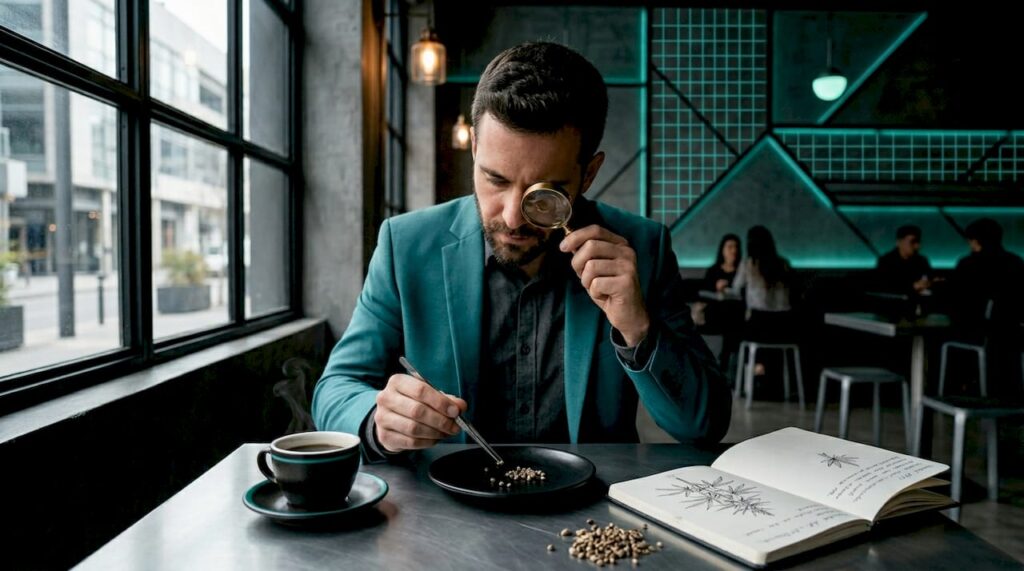
Before talking about genetics or seed banks, there is something you can do with your own hands: observe. Quality seeds have clear physical signs that any grower can learn to read.
Quality seeds have a uniform colour, a smooth and hard surface, a symmetrical size and no cracks. These visual indicators predict viability and good performance when germinating. A pale green, wrinkled seed or one with irregular spots almost always indicates immaturity or deterioration.
Apply this quick visual check before buying or germinating:
- Colour: Dark brown, grey or with marble-like patterns. Avoid green or white ones.
- Texture: Smooth, waxy surface to the touch. Rough or brittle ones are a sign of poor storage.
- Hardness: Press gently with your fingers. A viable seed doesn’t give way easily.
- Size and symmetry: Large, uniform seeds tend to have greater energy reserves for germinating.
- No cracks: Any fracture in the shell compromises the protection of the embryo inside.
💡 Pro tip: Place the seeds in room-temperature water for 2 hours. Those that float after that time usually have lower viability than those that sink.
2. Origin and reputation of the seed bank
The origin of your seeds matters as much as their appearance. Buying from a reputable seed bank guarantees stable genetics and seeds free from contaminants or damage. Reputable seed banks provide clear information about each variety, including flowering times, expected yield, cannabinoid profile and growing difficulty.

Be wary of sellers with no verifiable track record, no genuine reviews, or who cannot explain the genetic lineage of their varieties. In the cannabis market, transparency is synonymous with quality. A serious seed bank can always tell you whether a seed is F1, F2 or backcrossed, and what that means for your growing.
Also consider whether the seed bank offers germination guarantees. Not all of them do, but those that do show confidence in their product.
3. Types of seeds: feminised, autoflowering and regular
Knowing the types of seeds available is a central part of any cannabis seed selection guide. Each type meets different needs, and choosing the wrong one can complicate your grow from the very start.
Feminised seeds avoid male plants, making it easier to produce buds without the risk of accidental pollination. They are very popular for home growing because of their efficiency. If your goal is to maximise resin and trichome production without complications, feminised seeds are your starting point.
Autoflowering seeds flower without depending on the light cycle, which makes them ideal for fast grows and small spaces. They are perfect for beginner growers or for climates with short seasons. You don’t need to manipulate the photoperiod, which simplifies the process enormously.
Regular seeds produce both male and female plants in an approximate 50/50 ratio. Their main use is breeding and the creation of new genetics. If you are interested in developing your own varieties or preserving specific phenotypes, regular seeds are the right tool.
Finally, high-CBD seeds and high-THC seeds serve different goals. The former are preferred for medicinal use or by growers looking for milder effects. The latter aim for potency and a recreational experience.
4. Genetic factors that determine real quality
The look of a seed tells you something, but its genetics tell you everything. The genotype is the blueprint of the building; the phenotype is the building that actually gets built depending on the environment. Two seeds from the same batch can express themselves differently depending on temperature, humidity, substrate and growing technique.
Seeds with triploid genetics show greater hybrid vigour and resistance to pests and adverse conditions. Although they are more recent on the market, they represent an important evolution in the selection of high-yield seeds.
Look for strains with a documented track record: cannabis cup awards, reviews from verified growers and lab data on cannabinoid and terpene content. That information isn’t marketing, it’s evidence.
5. Comparison of seed types according to your growing profile
Using tables to compare options is one of the most effective ways to make informed decisions. Here are two references you can use directly in your selection process.
General comparison of seed types:
| Type | Flowering time | Difficulty | Yield | Ideal for |
|---|---|---|---|---|
| Feminized | 8 to 12 weeks | Medium | High | Intermediate and advanced growers |
| Autoflowering | 7 to 10 weeks | Low | Medium | Beginners and small spaces |
| Regular | 8 to 12 weeks | High | Variable | Breeders and collectors |
| High CBD | 8 to 11 weeks | Medium | Medium | Medicinal use or mild effects |
Objective quality criteria for evaluating seeds:
| Criterion | Positive sign | Negative sign |
|---|---|---|
| Colour | Dark brown or marbled grey | Pale green or white |
| Texture | Smooth, waxy, no cracks | Rough, brittle, with cracks |
| Hardness | Withstands light pressure | Gives way or is easily crushed |
| Size | Uniform and proportionate | Very small or asymmetrical |
| Origin | Well-known seed bank with a track record | No information or anonymous supplier |
These tables work as a quick reference when you are comparing several options at once. Use them alongside the seed bank’s information to make a decision backed by data, not by intuition.
6. The ultimate checklist for choosing quality seeds
Here is the heart of this guide. An organised checklist reduces mistakes in selection and improves the success rate in germination and growing. Follow these steps in order before making any purchase.
- Confirm the supplier’s reputation. Look for genuine reviews, years in the market, a presence on specialist forums and a guarantee policy. A seed bank with no verifiable track record is an unnecessary risk.
- Define your growing profile. Answer these questions before choosing a variety: Do you grow indoors or outdoors? Do you have limited space? Are you a beginner or experienced? Are you looking for THC, CBD or a balance?
- Inspect the seeds visually. Apply the criteria of colour, texture, hardness and size described in this guide. Don’t buy seeds you can’t see or that arrive in packaging with no information.
- Check the genetic lineage. Ask or research whether the variety is stabilised, F1 or backcrossed. The better documented the genetics, the more predictable the result of your grow will be.
- Compare flowering times with your calendar. If you grow outdoors, make sure the variety finishes before the first rains or frosts in your region.
- Check the cannabinoid and terpene profile. Many serious seed banks offer laboratory analyses. That information tells you what to expect in terms of effects, aroma and potency.
- Confirm the current storage conditions. Optimal storage conditions include a cool, dark, dry place to keep seeds viable for years. If the supplier cannot guarantee that their seeds were stored correctly, that is a warning sign.
- Assess the price in context. Premium seeds cost more, but a poor harvest from cheap seeds costs far more in time, energy and resources. A low price is rarely a real advantage.
- Consider the genetic diversity of your collection. The Svalbard Global Seed Vault stores more than 1.3 million samples precisely because genetic diversity is an invaluable asset. On your scale, having access to different varieties gives you flexibility and resilience.
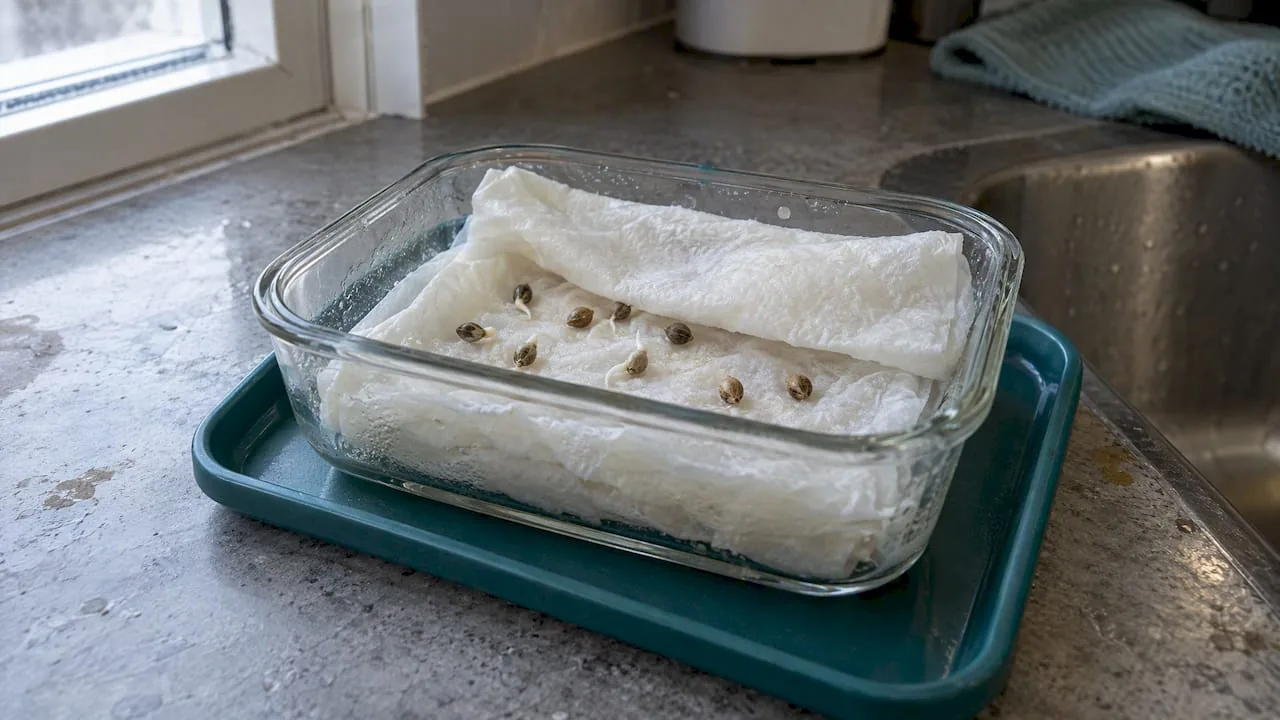
- Plan your germination before buying. Knowing how you are going to germinate your seeds influences which variety to choose. Some genetics are more sensitive at this stage and need more attention during the first few days.
💡 Pro tip: Store your seeds in an airtight container with a sachet of silica gel, in the fridge, away from light. Under those conditions, they can stay viable for 2 to 5 years without a problem.
My perspective: what nobody tells you about choosing seeds
I have seen growers with impeccable setups, state-of-the-art lights and premium substrates ruin an entire season by starting with seeds of dubious origin. And I have seen the opposite: simple grows, in small pots, producing extraordinary buds thanks to genetics that were well chosen from the start.
What I have learnt over time is that seed selection is not a step before growing. It is the growing. Everything that comes afterwards, watering, nutrition, pruning, depends on what you put in the soil from day one.
The most common mistake I have seen is buying on price or on a fashionable name without understanding the genetics behind it. A variety with an attractive name guarantees nothing if the seed bank cannot explain its lineage or if the seeds arrived poorly stored.
My most honest recommendation: invest time in researching the seed bank before investing money in the seeds. Read your supplier’s grow blog, check whether they publish real technical information, and don’t be afraid to ask questions. A serious seed bank answers. One that avoids technical questions is telling you something important about the quality of what it sells.
Growing with good judgement isn’t complicated. But it does take patience and a willingness to ask the right questions before germinating your first seed.
Find your premium seeds at Bluedoggenetics
If you’ve made it this far, you already have the criteria to choose well. The next step is to find a supplier that lives up to those criteria.

Bluedoggenetics offers a curated selection of premium feminised and autoflowering seeds, with transparent genetic information, discreet shipping and personalised service for every type of grower. From classic varieties to exclusive high-yield genetics, the catalogue is designed so you can make informed decisions and grow with confidence. Explore the full catalogue and find the variety that fits your space, climate and harvest goals exactly.
FAQ
How can I tell if a cannabis seed is good quality?
Quality seeds are dark brown or marbled grey, with a smooth, hard surface, a uniform size and no visible cracks. These physical indicators predict a higher germination rate and better yield.
Which type of seed is best for beginners?
Autoflowering seeds are ideal for beginners because they flower regardless of the light cycle, have shorter growing times and require less technical control of the environment.
Why does the seed bank I choose matter so much?
A seed bank with a good reputation guarantees stable genetics, clear information about each variety and seeds free of contaminants. Buying from a supplier with no verifiable track record increases the risk of unpredictable results or non-viable seeds.
How long can cannabis seeds be stored?
With ideal conditions of cool temperature, darkness and low humidity, cannabis seeds can remain viable for between 2 and 5 years. An airtight container with silica gel in the fridge is the most practical option for the home grower.
Can feminised seeds become hermaphrodites?
Yes, under severe stress such as sudden light changes, extreme temperatures or physical damage, feminised plants can develop male flowers. Choosing stable genetics from reputable seed banks significantly reduces that risk.