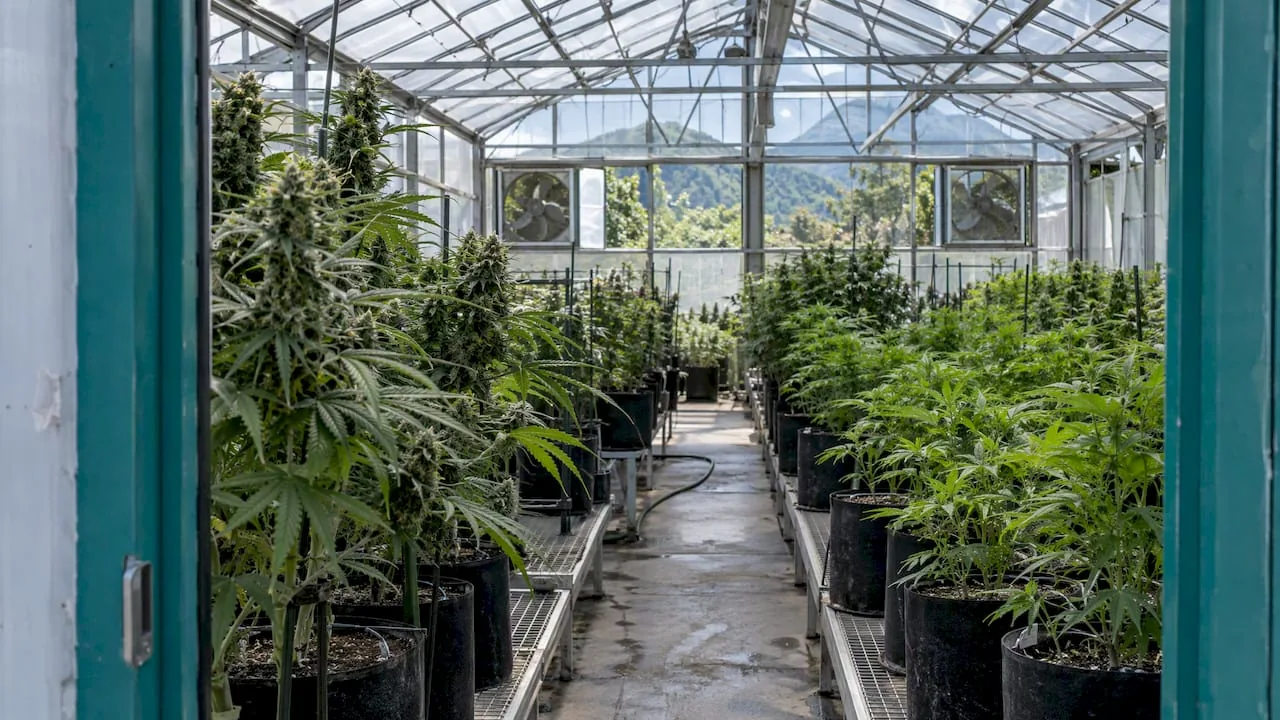


If you think autoflowering seeds are less potent or harder to handle than other varieties, you are facing the most common misunderstanding in cannabis growing for beginners. The reality is that modern autoflower cannabis genetics are one of the greatest advantages for beginners available today: cycles of 8 to 12 weeks, compact size and a natural resilience that greatly simplifies your first grow. In this article you will find everything you need to understand why autoflowering cannabis for beginners makes so much sense in 2026.
Key points
| Point | Details |
|---|---|
| Ultra-fast cycles | Autoflowering plants complete their cycle in 8 to 12 weeks, allowing several harvests a year. |
| No photoperiod control | You don’t need to change the light schedule to start flowering, which simplifies management. |
| Compact size | They usually stay under 1 metre, perfect for small spaces or discreet growing. |
| Competitive strength | Current genetics exceed 25% THC, matching the best traditional feminised seeds. |
| Germinates in the final pot | Avoiding transplanting is key to not slowing growth and to maximising yield. |
What autoflowering seeds are
Autoflowering seeds are cannabis varieties that flower automatically with the passing of time, without depending on changes in hours of light. Whereas photoperiod varieties need you to reduce the light cycle to 12 hours to start flowering, autoflowering ones do it on their own. That changes everything for a grower who is just starting out.
This trait comes from Cannabis ruderalis genetics, a subspecies originating from regions with short summers in Central Asia and Eastern Europe. By crossing it with indicates and sativa varieties, breeders achieved plants that combine the automatic flowering of ruderalis with the potency and aroma of the best commercial strains. The result is a plant that simplifies the growing process significantly for beginners.
The differences from regular and photoperiod feminised varieties are clear:
- Autoflowering: It doesn’t need a change of photoperiod to flower.
- Shorter cycle: They complete their life in 8 to 12 weeks compared with the 3 to 5 months of photoperiod plants.
- Small size: They grow less, which makes them ideal for limited spaces.
- High feminisation: Modern autoflowering varieties are feminised in almost 99% of cases, eliminating the risk of male plants.
- Greater resilience: they inherit from ruderalis a natural tolerance to low temperatures and variable conditions.
For a beginner, this set of characteristics means fewer variables to control and more room to learn without losing an entire harvest.
Advantages of autoflower cannabis for beginners
This is where autoflowering cannabis for beginners really shines. It’s not just that they are “easier”: it’s about concrete advantages that directly affect your experience from day one.
- Speed of the full cycle. Autoflowering plants complete their cycle in 8 to 12 weeks, compared with the 3 to 5 months of photoperiod plants. For someone growing for the first time, seeing quick results is motivating and lets you learn from each cycle without waiting months.
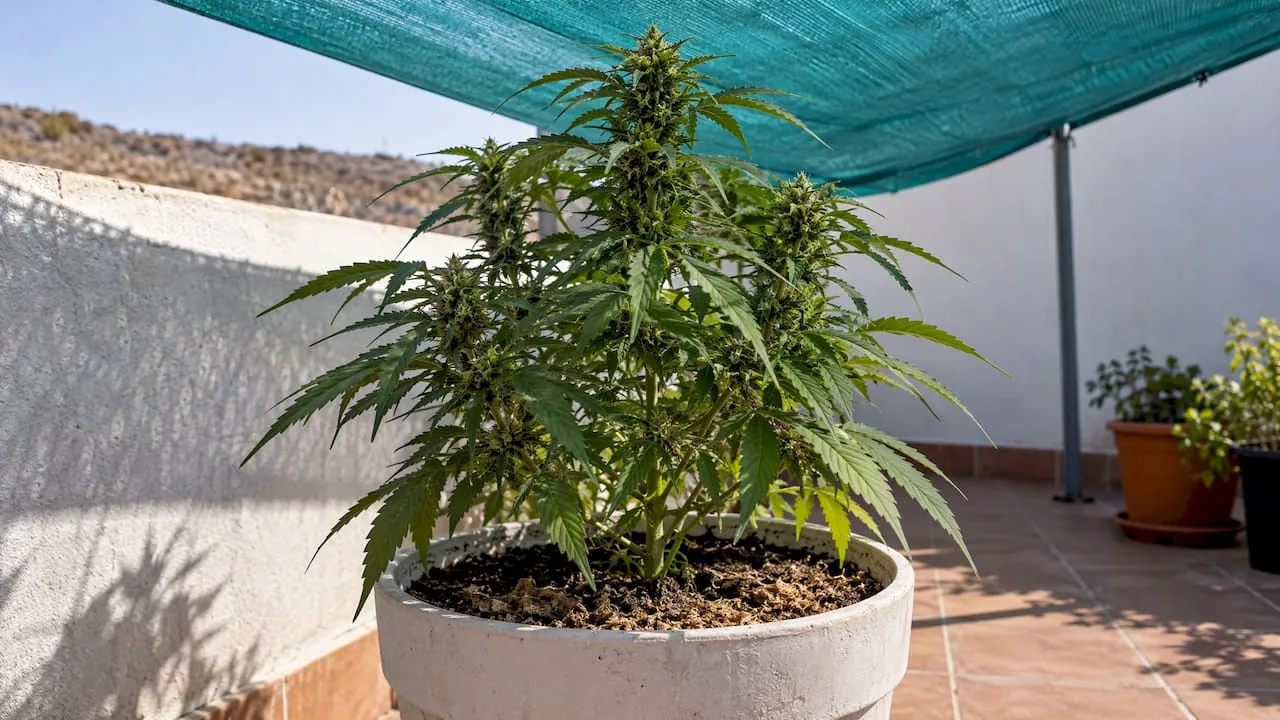
- Compact size and discretion. They usually stay under one metre in height, which makes them perfect for balconies, grow cabinets or small gardens. If you have limited space, this feature is priceless.
- No need to control the photoperiod. You don’t have to worry about changing the light timer to start flowering. You can keep a stable light cycle throughout the grow, which reduces mistakes and simplifies managing your indoor space.
- Natural resistance. Ruderalis heritage gives them greater tolerance to pests, fungi and temperature fluctuations. They aren’t invulnerable, but they cope better than many photoperiod-dependent varieties when conditions aren’t perfect.
- Multiple harvests a year. Fast cycles allow between 2 and 4 harvests a year in the same space. For a novice grower, this means more opportunities to practise and a steady output.
- Potency and quality on a par with the best. The first autoflowering plants had a reputation for being less potent. That no longer applies. Modern genetics exceed 25% THC and produce competitive yields. The leap in quality in recent years has been remarkable.
💡 Pro tip: If this is your first grow, choose an autoflower variety known for its genetic stability, such as a Gelato Auto or a Northern Lights Auto. You will learn more from a predictable plant than from an exotic strain with high phenotypic variability.
Limitations and common mistakes to avoid
Knowing the advantages of autoflowering is only half the job. Understanding its limitations saves you real frustration, because the margin for correcting mistakes is narrower than with photoperiod varieties.
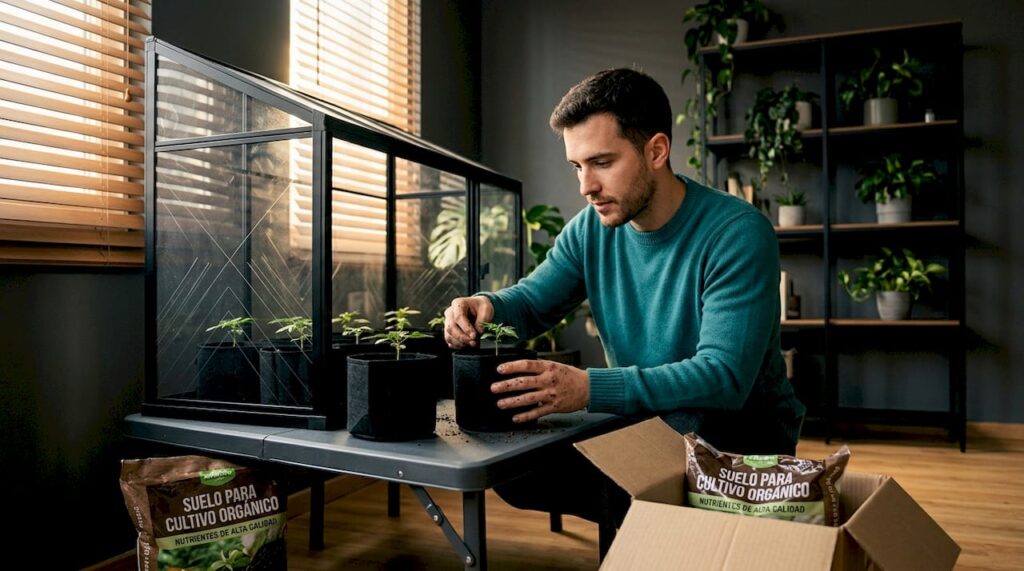
- Don’t transplant. Transplant stress can permanently stunt growth in autoflowering plants. We recommend germinating directly in the final pot from the start. A pot of 11 to 15 litres is usually enough for most varieties.
- Be precise with watering. Autoflowering plants are smaller, which means the substrate takes longer to dry out. Too much water is one of the most common mistakes among beginners. Water only when the first few centimetres of substrate are dry to the touch. You can find out more with a watering frequency guide specific to cannabis.
- Avoid aggressive pruning. Techniques such as topping or FIM can be useful on photoperiod plants, but in autoflowering plants the recovery time consumes weeks that the plant does not have. Aggressive pruning and late transplanting negatively affect the final yield.
- Light is still decisive. Even though they don’t depend on the photoperiod to flower, the amount of intense light does determine the yield. 18 to 20 hours of intense light is recommended to maximise production in indoor growing.
- More limited production per plant. With a yield of 50 to 120 grams per plant, don’t expect the yields of a well-managed photoperiod plant. The trade-off is speed and the chance to fit in more cycles.
💡 Pro tip: Always use an airy, well-drained substrate, with 20 or 30% perlite. The roots of autoflowering plants need oxygen to grow quickly, and a compacted substrate is one of the quietest brakes on yield.
Autoflowering compared with other varieties

This comparison helps you decide whether easy cannabis growing with autoflowering varieties suits your particular situation.

| Characteristic | Autoflowering | Feminised photodependent seeds |
|---|---|---|
| Cycle length | 8 to 12 weeks | 3 to 5 months |
| Light control required | No (stable cycle) | Yes (switch to 12/12 to flower) |
| Medium height | Under 1 metre | 1 to 2 metres or more |
| Yield per plant | 50 to 120 grams | 100 to 500 grams |
| Stress resistance | High | Medium |
| Harvests per year | 2 a 4 | 1 a 2 |
| Learning curve | Low | Medium to high |
| Potency (THC) | Up to 25% or more | Up to 30% or more |
If you have a small space, little time for monitoring and want to learn quickly, autoflowering plants are the logical choice. If you want to maximise yield per plant and have the experience to manage the photoperiod, photoperiod plants can give you more raw production. For a first grow, the answer is almost always the same: start with autoflower.
Steps for your first successful grow
Following a clear order from the start makes the difference between a satisfying harvest and a frustrating experience. This basic autoflower cannabis guide gives you the right starting point.
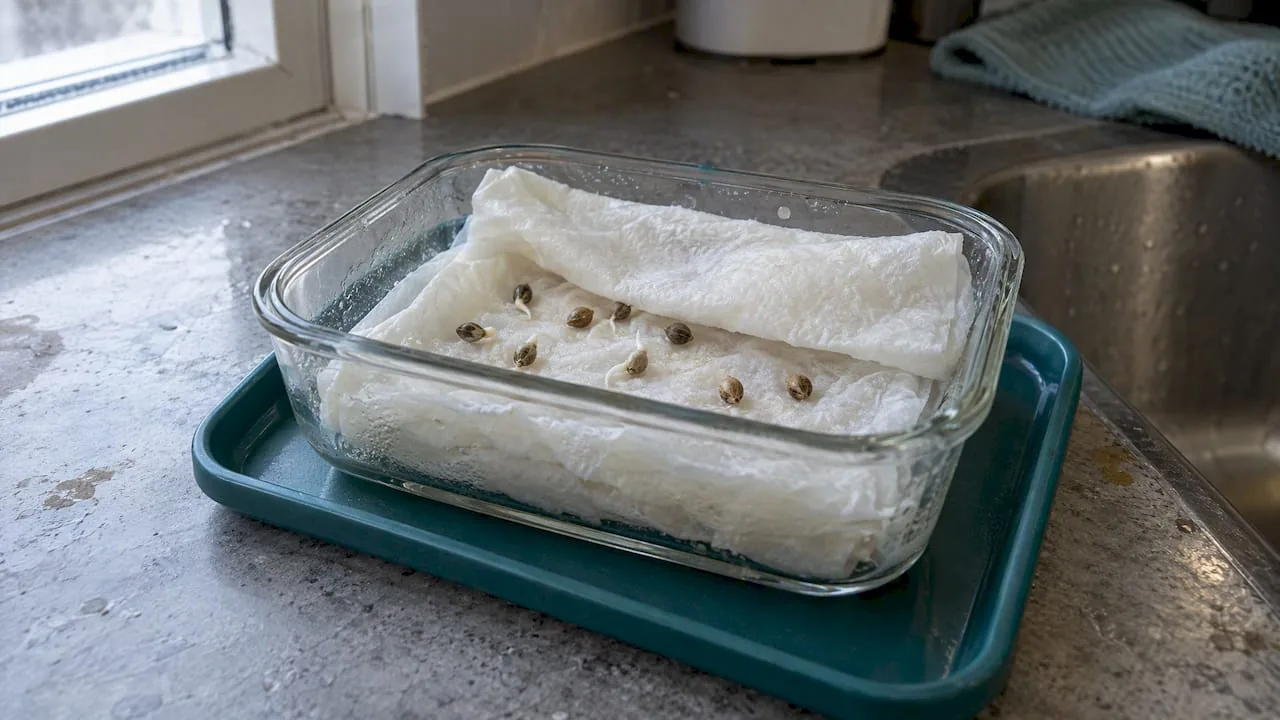
- Germinate directly in the final pot. Use the damp paper method or germinate directly in the substrate. Avoid any later transplanting.
- Prepare an airy substrate. Mix growing soil with 20 to 30% perlite. This improves drainage and root oxygenation, two critical factors for autoflowering plants.
- Set up your light cycle from the start. Indoors, set 18 hours of light and 6 of darkness from germination to harvest. You never need to change this cycle. You can read how to set up your grow room to have the space ready before you begin.
- Water moderately and adjust the frequency. Start with small amounts and watch how the plant responds. The aim is to keep the substrate moist but never waterlogged.
- Feed with gentle nutrients. Autoflowering plants are sensitive to overfeeding. Use fertilisers at half the recommended dose during the first few weeks and increase gradually according to how the plant responds.
- Spot stress in time. Yellow leaves, curling or spots are warning signs. The sooner you identify the problem, the less it affects the final yield. Check a complete germination guide to get off on the right foot from the start.
- Harvest at the right moment. Look at the trichomes with a magnifier. When most of them change from clear to milky or amber, it is the optimal time to harvest, depending on the effect you are after.
My perspective on autoflowering plants for beginners
I’ve seen many first-time growers make things needlessly complicated with photoperiod varieties when autoflowering ones would have given them exactly what they were looking for: quick results, real learning and the motivation to carry on. In my experience, the biggest mistake isn’t technical, it’s the initial choice.
What I value most about autoflowering plants for beginners is that they force you to keep things simple. You can’t make up with advanced techniques for what you haven’t learned yet. That sounds like a limitation, but it’s actually a teaching advantage. You learn to observe the plant, respect its timing and understand what it needs without extra variables.
I also acknowledge their limits. If your goal is mass production or you want to experiment with advanced training techniques, photoperiod plants will give you more room. But for a first cycle, the autoflowering plant gives you something no other variety can match: the satisfaction of completing a grow from start to finish in under three months.
My recommendation is always the same: do your first grow with a stable autoflower, learn from that cycle and then decide whether you want to explore other varieties. The knowledge you gain in those 10 weeks is worth more than any theoretical guide.
Premium seeds to start with a guarantee
If you’re already clear that autoflowering plants are your starting point, the next step is choosing quality seeds. A seed with poor genetics can ruin all your effort from the start, no matter how well you follow the advice.
At Bluedoggenetics you will find a curated selection of premium autoflowering and feminised seeds, with a germination guarantee and discreet shipping. Every variety in the catalogue has been chosen for its genetic stability and its suitability for different experience levels. If you are just starting out, the Bluedoggenetics team can guide you in choosing the strain that best suits your space and goals. Explore the full seed catalogue and take the first step with the confidence of having real backing behind every seed.
FAQ
What advantages do autoflowering plants have for beginners?
Autoflowering plants don’t require photoperiod control, complete their cycle in 8 to 12 weeks and are more resistant to stress, which makes them ideal for anyone starting to grow cannabis.
How much do autoflowering seeds yield?
They produce between 50 and 120 grams per plant depending on handling and growing conditions, with potencies that can exceed 25% THC in modern genetics.
Can I get several harvests a year with autoflowering plants?
Yes. Thanks to their short cycles, you can get between 2 and 4 harvests per year in the same space, both indoors and outdoors.
Why shouldn’t I transplant an autoflowering plant?
Transplant stress permanently slows growth in these plants. The right approach is to germinate directly in the final pot so as not to interrupt their automatic cycle.
How many hours of light do autoflowering plants need?
Although they don’t depend on the photoperiod to flower, it is recommended to keep 18 to 20 hours of intense light throughout the whole cycle to maximise the final yield.
Recommendation
- Your Cannabis Garden – Cannabis Blog: Growing Guides, Curiosities and Culture
- How to grow Gelato Auto: Complete step-by-step guide for Autoflowering – BLUEDOG GENETICS Seeds
- The Ultimate Guide to Cannabis Home Cultivation in Germany – BLUEDOG GENETICS Seeds
- Complete guide to germinating cannabis seeds – BLUEDOG GENETICS Seeds