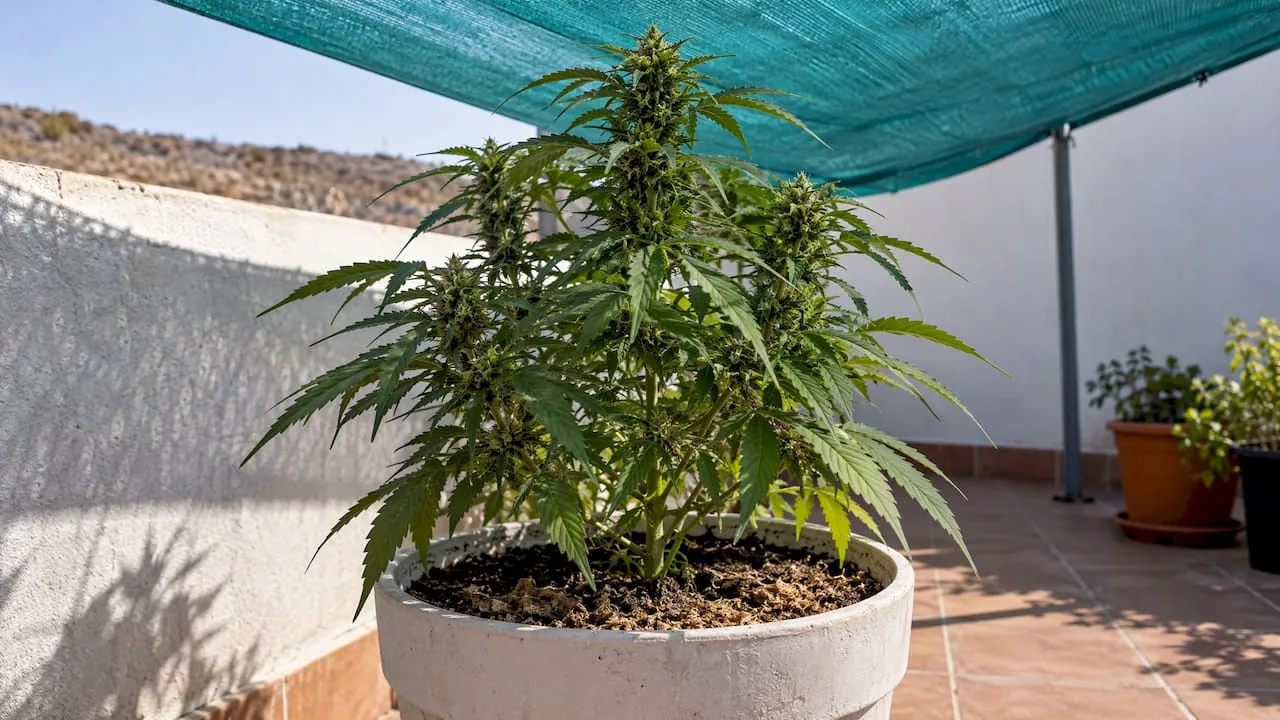



A late harvest in Central Europe is no accident, but the predictable result of three factors that combine every autumn: night-time temperatures that drop before the trichomes mature, relative humidity that stays above the safe threshold for weeks, and long-flowering genetics that simply need more time than the climate allows. If your plants are still flowering and the forecast announces persistent rain, act now.
Urgent actions when the harvest is delayed:
- Check the forecast for the next 10 days and mark the date of the first wet front as your cut-off date.
- Cover the plants with waterproof tarpaulins or set up a polyethylene tunnel before the rain arrives, not after.
- Check the trichomes with a 30–60x loupe: if more than 50% are already amber, don’t wait any longer, even if the plant doesn’t look “ready” visually.
- Prioritise the densest, lowest branches, where botrytis appears first, and cut them first.
Pro tip: When the risk of rain is imminent, cut the thickest, densest branch in the lower third first. That area accumulates moisture faster and is usually the first spot for mould. Harvesting that branch a couple of days before the rest can save your whole harvest.
In short:
- Humidity as a critical factor: High ambient humidity can delay flowering by several weeks and significantly reduce floral biomass.
- Trichomes as the main indicator: use a 30–60x loupe: harvest when amber exceeds 50% or the rain persists for more than 4 days.
- Genetics as a first line of defence: autoflowering plants guarantee a harvest in August in most Central European sub-regions.
- Rescue with forced ventilation: Hang separated branches with an active fan; never pile up wet branches, to avoid botrytis.
- Bluedoggenetics for Central Europe: Catalogue of feminised and autoflowering seeds with documented flowering times and resistance.
Why does the European climate delay cannabis ripening?
The reasons for a late harvest in Central Europe start inside the plant itself, before the climate does its part. Trichome maturation depends on a combination of light signal, temperature and nutrient availability, and when any of those factors falls short, the process drags on.
- Photoperiod/temperature mismatch: The plant needs long nights to start and maintain flowering, but also night-time temperatures above 10–12 °C for cannabinoid synthesis to progress at a good pace. In September and October, many areas of Central Europe already record nights below that threshold, which slows down ripening even if the photoperiod is correct.
- VPD and transpiration: Vapour pressure deficit (VPD) directly regulates transpiration and, with it, the transport of nutrients to the flowers. According to research published in Frontiers in Plant Science, a low VPD, typical of humid, cool environments, reduces the distribution of secondary metabolites to the buds, affecting the synthesis of resin and cannabinoids.
- Long-flowering genetics: Pure equatorial sativas are programmed to flower under very short photoperiods, typical of tropical latitudes. In Europe, that means they don’t finish until November or December, when the cold has already arrived. The photoperiods of geographic origin have a decisive influence on flowering duration, and equatorial sativas need additional interventions to finish in continental climates.
- Agronomic mistakes: Late nitrogen feeding, overwatering in the final phase or plants that are too large with a dense canopy slow down ripening synchrony between branches. A plant that keeps “eating” nitrogen in week 8 of flowering is not prioritising resin production.
Which Central European climate variables lengthen ripening?
Central Europe does not have a uniform climate. From the Atlantic plains in the west to the Alpine valleys in the south, each subregion has a different autumn weather profile, and they all share one common denominator: the safe ripening window is narrower than many growers calculate.
The variables with the greatest impact are the average night-time temperature, the hours of effective light, the relative humidity and the number of consecutive rainy days. When relative humidity stays above 70 % for a sustained period, VPD falls below the optimal range and flowering slows down. A controlled study showed that high ambient humidity can delay flowering by several weeks and significantly reduce floral biomass, as well as drastically lowering cannabinoid concentrations.
| Subregion | Average night-time temperature (Oct.) | Average relative humidity (Oct.) | Average first frost | Risk of late harvest |
|---|---|---|---|---|
| South (Austria, Slovenia) | 8–12 °C | 75 % | Late October | Moderate |
| Centre (Germany, Czech Republic) | 5–9 °C | 70–80 % | Mid-October | High |
| North (Poland, Baltic States) | 3–6 °C | 75–85 % | Early October | Very high |
| Mountains (Alps, Carpathians) | 1–5 °C | 70–85 % | September–October | Extreme |
Key fact: Relative humidity sustained above the safe threshold during the final stage of flowering can delay maturation by several weeks and considerably reduce floral biomass, according to experimental data.
Because of the regional differences in microclimate and altitude across Europe, planning around your local climate is the only real way to reduce the risk of a late harvest. Using historical temperature and rainfall data from your nearest weather station, combined with the 10-day forecast, gives you a much more precise decision window than any generic calendar.
What happens to the plant and to quality when the harvest is delayed?
A late harvest is not simply a “more mature” harvest. Beyond a certain point, the plant starts to break down what it has produced, and the final result can be very different from what you expected, and not always better.
- THC → CBN conversion: THC is an unstable molecule that oxidises with prolonged exposure to light, heat and humidity. When the harvest is delayed by weeks, a significant part of the THC turns into CBN (cannabinol), a cannabinoid with more sedative and less psychoactive effects. This can be desirable for certain effect profiles, but it means a loss of potency in conventional terms.
- Terpene degradation: Terpenes are volatile by nature. Rain, cold and humidity speed up their evaporation and alter the aromatic profile of the bud. A variety that should smell of fresh fruit can end up with a flat or earthy aroma if the harvest comes too late.
- Botrytis and density: Dense buds trap moisture inside, and in the high humidity of autumn, Botrytis cinerea can colonise the inside of a bud in 48–72 hours without any sign on the outside. Plant pathology studies confirm that prolonged humidity increases the incidence of botrytis and limits the effectiveness of any curative measure in the final stage of flowering. Prevention and ventilation are the only real defences.
- Economic impact: A bud with internal mould has no commercial value, nor any value for personal use. The loss can be total with very compact-bud varieties if the rain arrives before harvest. Poorly planning the harvest date can mean losing weeks of work in just a few days.
Key fact: Sustained high humidity not only delays flowering, it can also reduce floral biomass by up to 75 % and drastically lower cannabinoid concentrations, according to the controlled study cited above.
When is it better to wait and when to harvest early?
Letting plants ripen for longer makes sense in specific conditions. Doing it without judgement is one of the costliest mistakes in outdoor growing.
Advantages of a controlled late harvest:
- Higher proportion of CBN, sought by those who prefer more relaxing and sedating effects.
- In dry seasons, the last days of ripening can add resin and density without any risk of mould.
- Some aroma profiles (spicy, earthy, woody) develop more in the final weeks of flowering.
Clear disadvantages:
- Progressive degradation of THC and terpenes after the optimal point of maturity.
- Each additional day with humidity above 70% multiplies the risk of botrytis.
- Climate uncertainty in Central Europe means that “waiting a little longer” is a gamble with a real risk of total loss.
Quick decision criteria:
- If the average first frost in your area is less than two weeks away, don’t wait.
- If relative humidity has been above 75 % for more than three days, harvest even if the trichomes are not perfect.
- If 60–70 % of the trichomes are already amber, the optimal point has passed or is passing right now.
Staggered harvesting is the best solution when the plant doesn’t ripen evenly: cut the most mature branches first and leave the rest a few more days, as long as the weather allows.
Indicative timeline: when do varieties ripen in Central Europe?
Working out your harvest deadline by counting back from the local average first frost is common practice among professional growers in Europe. If your area records its first frost in mid-October, your real deadline is the first week of that month, with a safety margin of at least two weeks.
| Genetic type | South (Austria, Slovenia) | Centre (Germany, Czech Rep.) | North (Poland, Baltics) | Mountains (Alps, Carpathians) |
|---|---|---|---|---|
| Indica / indica hybrid | September–early Oct. | Mid-Sept.–Oct. | September | August–Sept. |
| Balanced hybrid | October | Late Sept.–Oct. | Early Oct. | September |
| Sativa / sativa hybrid | October–November | October | October (high risk) | Not recommended |
| Autoflowering | July–August (2nd harvest possible) | August–Sept. | August–Sept. | August |
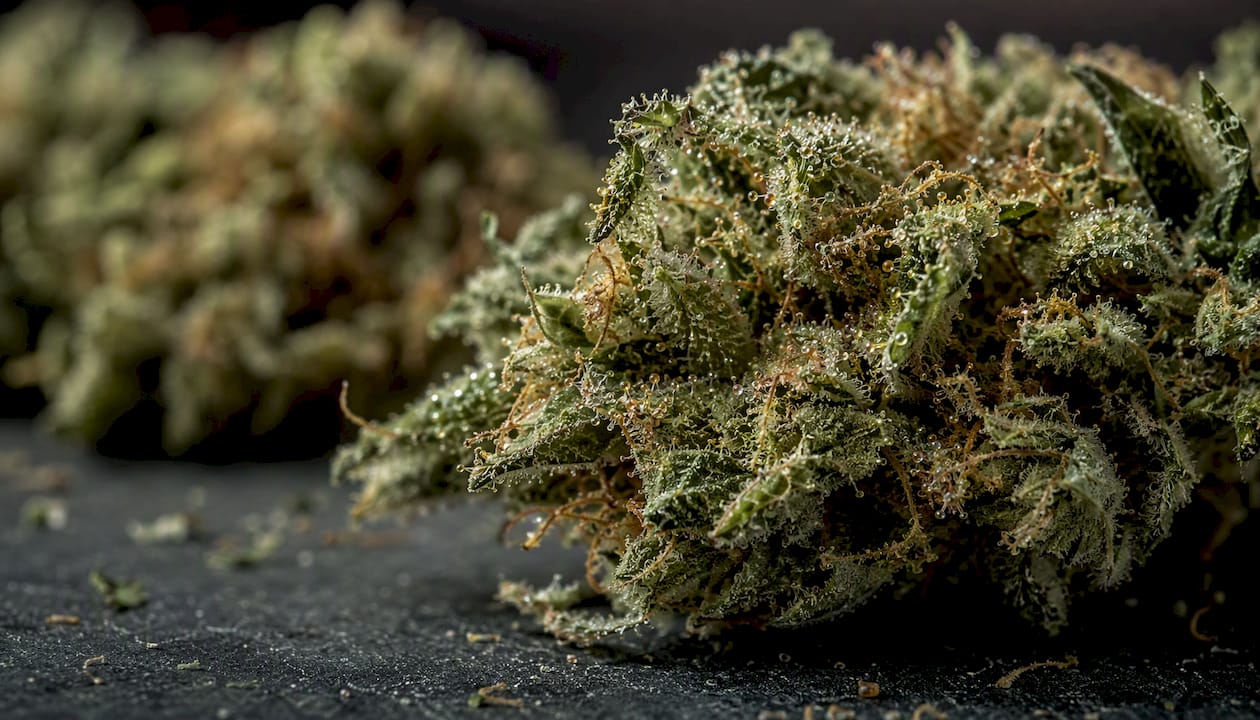
Autoflowering plants are the only genetics that guarantee a harvest before the autumn rains arrive in most subregions. For northern and mountain climates, they are practically the only safe option for outdoor growing. Pure sativas of equatorial origin, as research on geographical photoperiods already points out, simply do not finish in time at central European latitudes without active intervention.
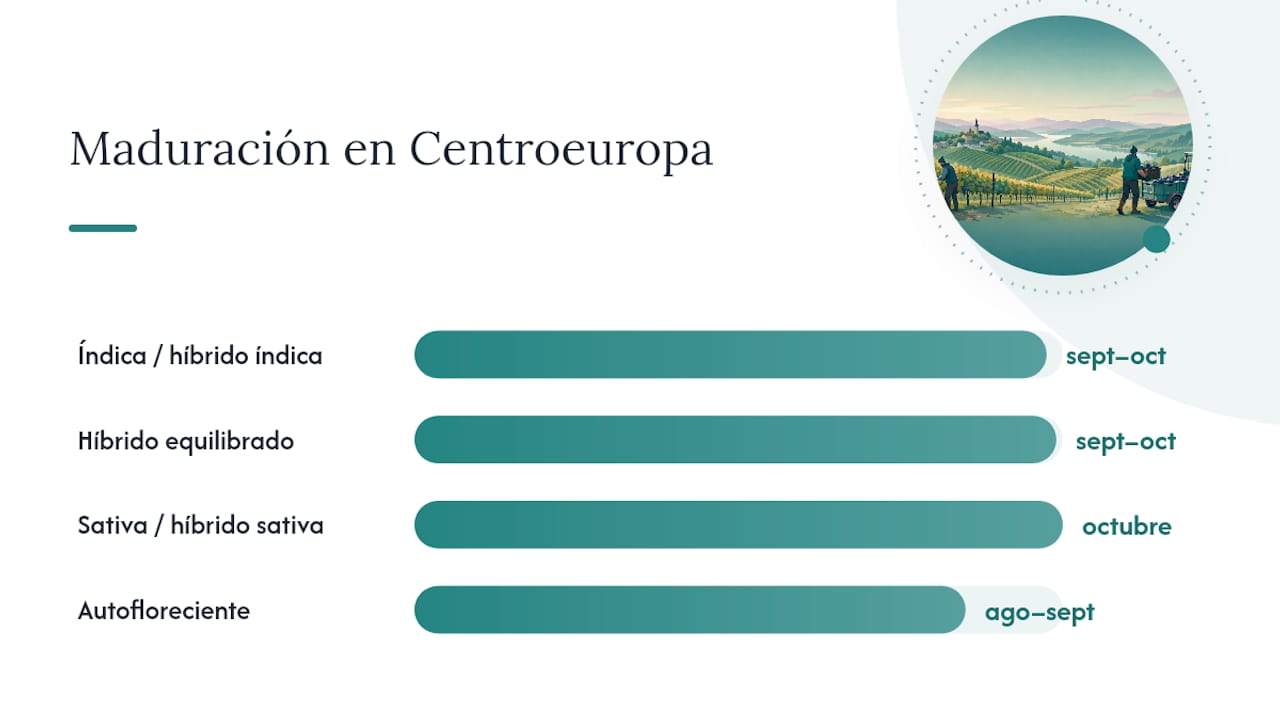
The recommended safety margin is two weeks before the average first frost for indica varieties and hybrids, and three to four weeks for sativas. If the climate history of your area shows particularly wet autumns, add an extra week to that margin.
Practical strategies to avoid or manage a late harvest
The best tactic against a late harvest is not to get there in the first place. But if you are already in that situation, there are ways to reduce the damage.
- Genetic selection: For areas of Central Europe with damp autumns, prioritise autoflowering varieties and short-flowering hybrids (8–9 weeks). In damp years, sativas with loose buds cope with humidity better than compact indicas, but they finish later. Mixing genetics is the smartest strategy to spread the risk.
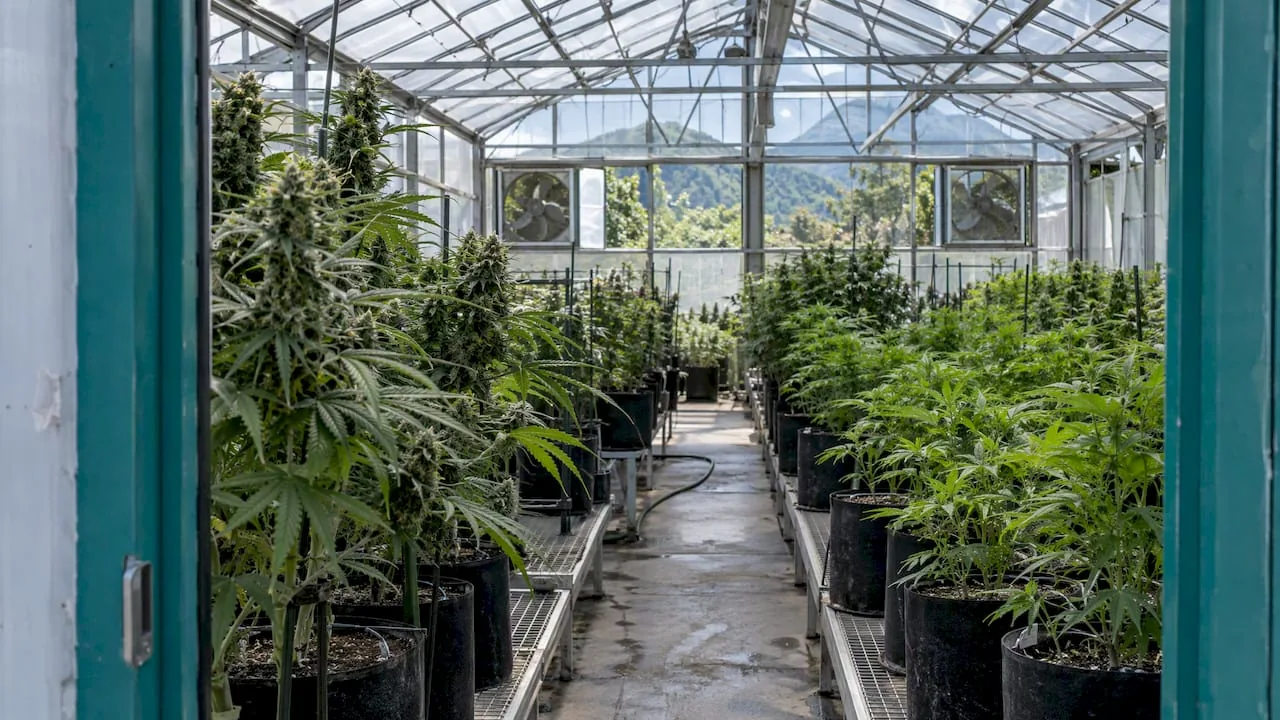
- Physical protection: A polythene tunnel or a small greenhouse can make the difference between a saved harvest and a lost one. Waterproof covers put up before the rain protect the buds from direct moisture. Reinforced staking stops laden branches from bending over and collecting water.
- Agronomic management: Stop nitrogen feeding at least two weeks before the expected harvest date. Reduce watering gradually over the last few weeks so the plant enters mild water stress, which concentrates resins. Selectively removing large leaves inside the canopy improves air circulation and reduces the humidity that builds up between buds.
- Action plan: Prepare the drying space before harvesting: forced ventilation, a temperature of 18–22 °C and relative humidity below 55 %. Plan enough space to hang branches separately, not piled up.
Pro tip: Design a “hybrid planting”: sow a third autoflowering (guaranteed harvest in August), a third fast hybrids (harvest in September) and a third of your favourite longer-flowering variety. That way, even if the autumn is a disaster, you never lose the whole season.
For growers in cold, damp climates, the Bluedoggenetics guide to growing in cold climates offers specific recommendations on substrate, ventilation and genetic choice adapted to these conditions.
How do you decide the exact harvest time using trichomes and climate data?
Examining trichomes with a 30–60x magnifier is the most reliable method for determining the real maturity of buds outdoors. The colour of the pistils, although useful as a quick indicator, can be misleading in rainy conditions, as moisture oxidation darkens them prematurely before the plant has finished maturing.
According to specialist guides on harvest timing, milky trichomes indicate that the plant is at its peak THC, while amber ones signal the start of degradation into CBN. For a more cerebral and active effect, harvest with 70–80 % milky trichomes and 20–30 % amber. For a more relaxing and sedating effect, wait until the amber reaches 50–60 %.
- Examine trichomes from buds in the middle third of the plant, not from the tips or the base, as they mature at different rates.
- Use natural light or a cool LED torch so you don’t alter the colour reading.
- Note the estimated percentage of milky, amber and clear trichomes at each check.
- Combine that reading with the next day’s weather data.
| Indicator | Action threshold | Recommended decision |
|---|---|---|
| Relative humidity | Above 75 % for 3+ days | Harvesting even if the trichomes aren’t perfect |
| Night-time temperature | Below 8 °C for a sustained period | Speeding up the harvest or protecting with cover |
| Amber trichomes | 50% or more | Harvest immediately |
| Consecutive days of rain | 4 or more days expected | Harvest before the rain or cover urgently |
| Pistils oxidised by rain | More than 80 % dark | Don’t use it as the only indicator; prioritise trichomes |
Rescue tactics when the season has already run long
If the season has already run longer than expected and bad weather is arriving, the goal changes: it’s no longer about optimising quality, but about saving as much product as possible in good condition.
- Assess plant by plant: Not all branches ripen at the same time. Identify the most advanced ones and cut them first, even if the rest of the plant is not ready.
- Cut in stages: split the harvest into two or three batches separated by 3–5 days. This lets you work more calmly and reduces the risk of overloading the drying room.
- Minimal trimming in the field: If it rains or the humidity is high, don’t spend time trimming in the garden. Cut the branches and take them to the drying room as soon as possible.
- Hang branches separately: Never pile up wet branches. Each branch should hang with enough space for air to circulate around it. According to the harvesting recommendations for adverse conditions from Cáñamo, hanging branches separately with forced ventilation considerably reduces the appearance of mould.
- Forced ventilation from the very start: A fan aimed at the hanging branches, without pointing directly at the buds, is the most effective measure to prevent botrytis during drying.
- Avoid systemic fungicides: At the end of flowering, systemic fungicides are no longer effective against botrytis and can leave residues in the final product. Ventilation and physical spacing are the only real defences, as confirmed by plant pathology studies on botrytis.
Pro tip: If you have to harvest with wet branches, shake them gently to remove excess water before moving them into the drying room. Place a standing fan pointing at the central aisle of the drying room, not directly at the branches, to create a constant airflow. Keep the temperature between 18–20 °C and the humidity below 55 %. Check each branch after 24 hours and separate any bud that shows signs of mould.
Recommended varieties for growers in Central Europe
Choosing the right genetics is the most important decision you can make to reduce the risk of a late harvest. These are the criteria that really matter for Central Europe:
- Stated flowering time: Prioritise varieties with 8–9 weeks of flowering for outdoor growing. Those that state 10–12 weeks are a real risk in areas with damp autumns.
- Resistance to fungi: Look for varieties with a more airy (less compact) bud structure and a documented history of humidity resistance. Very dense indicas are the most vulnerable to botrytis.
- Behaviour at high VPD: Varieties adapted to Atlantic or northern European climates tend to tolerate periods of low vapour pressure better.
Recommended genetic profiles by situation:
- Early autoflowering: The safest option for the north and mountain areas. Guaranteed harvest in August, before the autumn rains. The advantages of autoflowering plants for beginners make them accessible even for growers with little experience.
- Fast hybrid (indica-dominant, 8 weeks): Ideal for central and southern Central Europe. Good yield with less risk than a pure sativa.
- Humidity-resistant sativa: For growers who prefer more cerebral effects and are prepared to manage the climate risk with physical protection. It requires active planning and, in many cases, a greenhouse.
- Productive indica for dry years: In seasons with little rainy autumn, compact indicas offer very high yields. The risk increases dramatically if the rains arrive before harvest.
Pro tip: Before choosing an outdoor variety in Central Europe, check the climate history of your area for the last five years. If more than two of those years had a wet September or October, plan as if every year were like that. The right genetics are your first line of defence.
At Bluedoggenetics you’ll find a curated selection of feminised and autoflowering varieties from well-known seed banks, with detailed information on flowering times and resistance to adverse conditions. Each variety is chosen with growers in mind who need real results, not just catalogue promises. You can explore the full seed catalogue to find the genetics that best suits your subregion and your level of acceptable risk.
The Bluedoggenetics guide to home growing in Germany also offers legal and climate context specific to one of the most important markets in Central Europe.
What nobody tells you about late harvesting in Europe
The usual narrative about late harvests presents them as a problem of planning or lack of experience. After years of observing seasons in different parts of Central Europe, I find that reading incomplete.
The reality is that many experienced growers end up with late harvests not through ignorance, but because the weather in recent years has changed unpredictably. A damp September when it should be dry, a warm October that tempts you to wait, and then a week of continuous rain that ruins everything. The problem isn’t always the genetics or the planning: sometimes the weather simply doesn’t cooperate.
What does change with experience is the response. A novice grower waits for “the plant to be perfect”. One with more seasons behind them knows that in Central Europe “perfect” often never arrives, and that harvesting at 85% maturity with the crop intact is infinitely better than waiting for 100% and losing half to mould.
The other lesson that takes a while to learn is that a late harvest isn’t managed at harvest time, but in the choice of seeds the season before. A well-chosen autoflowering isn’t a plan B; it’s the smartest part of any plan A in Central European climates.
Bluedoggenetics: seeds designed for the European climate
Growing in Central Europe with genetics designed for milder climates is a race against the clock, quite literally. Bluedoggenetics offers a selection of feminised and autoflowering seeds from seed banks with a proven track record, chosen specifically for their flowering times, resistance to humidity and adaptability to European outdoor growing conditions.
If this article has made it clear that genetics is your first line of defence against a late harvest, the next step is to review the catalogue with that in mind: real flowering time, bud structure and behaviour in adverse conditions. Discreet shipping, personal service and order tracking with every purchase. Visit the Bluedoggenetics shop and choose the variety that best suits your subregion before the next season starts.
Sources
- The perfect harvest in ten steps: expert tips and tricks | Cáñamo
- When to plant cannabis outdoors in Europe? The May mistake that can ruin the whole season – MJF
- High humidity delays flowering by 3 weeks and cuts the harvest by 70% – Soft Secrets (summary of the study)
- Punto de corte: cuál es el mejor momento para cosechar – Revistathc
- Doi
- Doi
- Doi