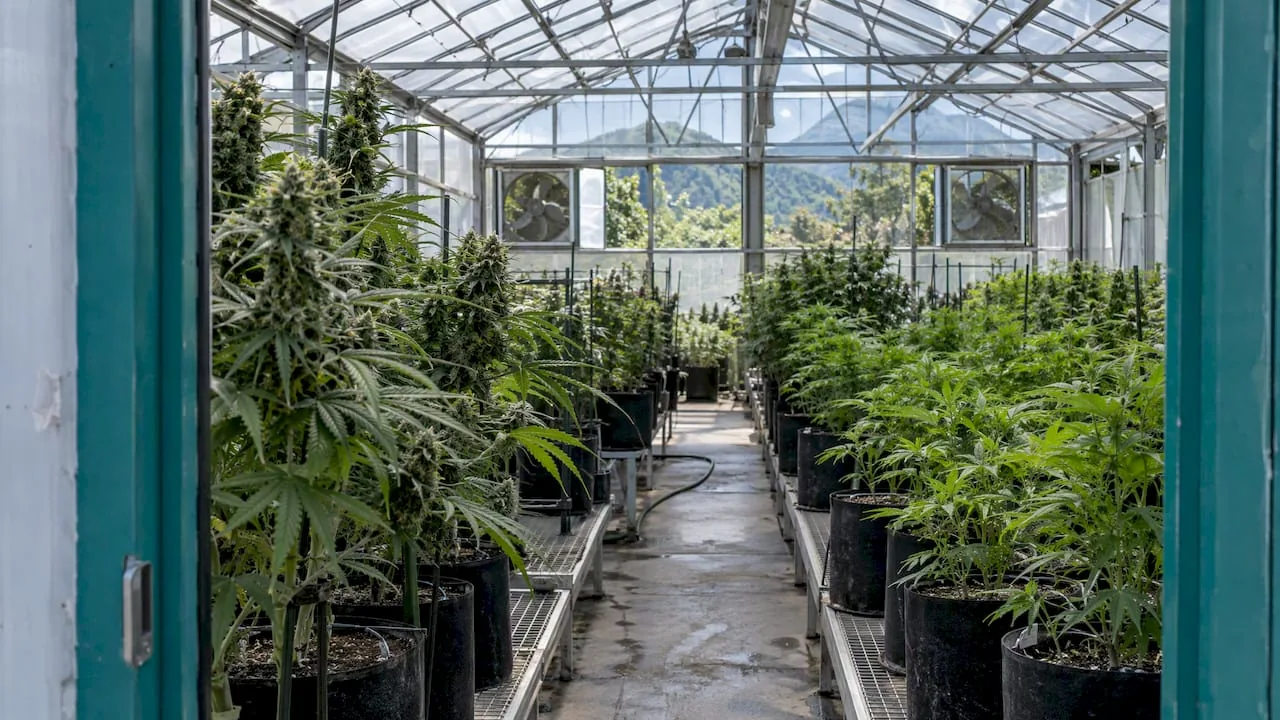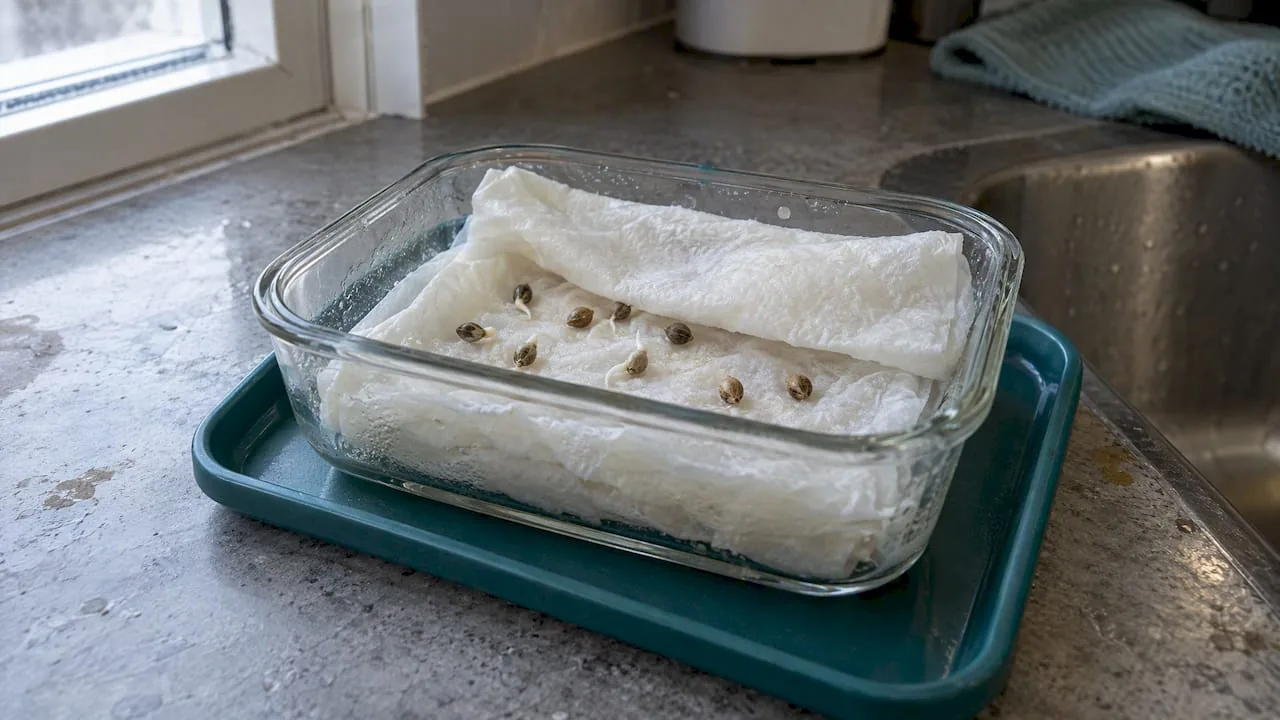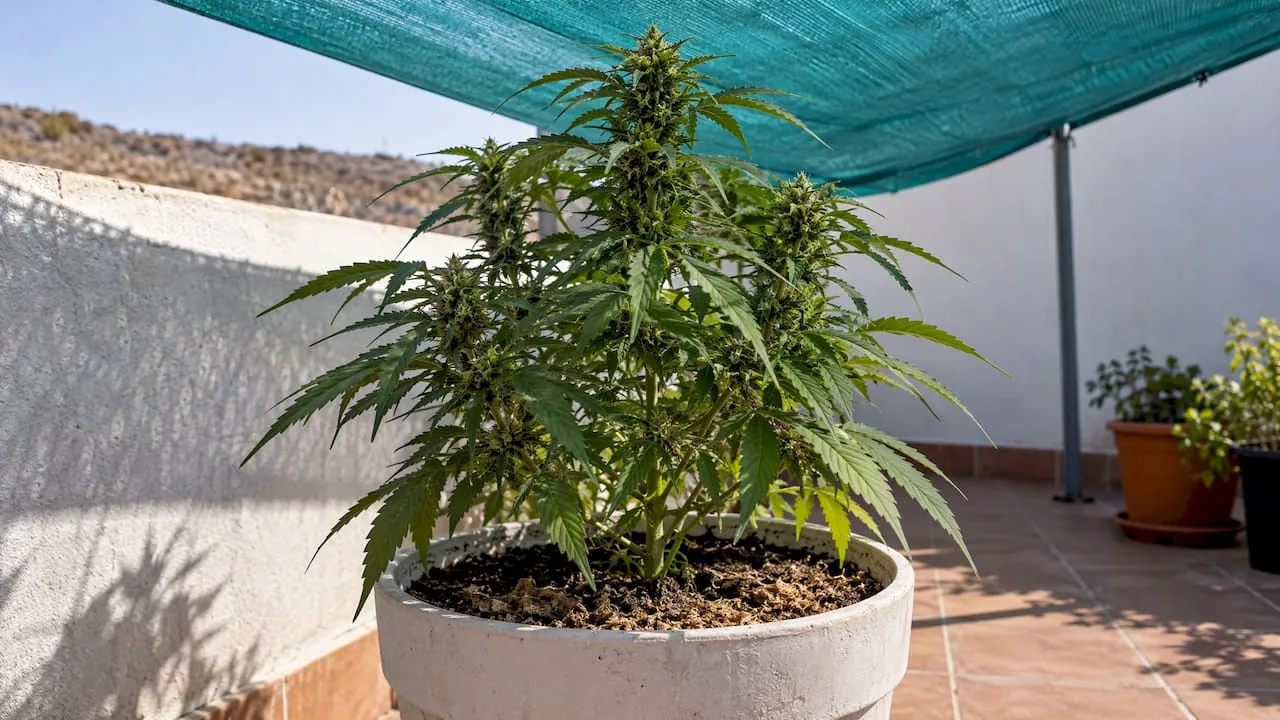


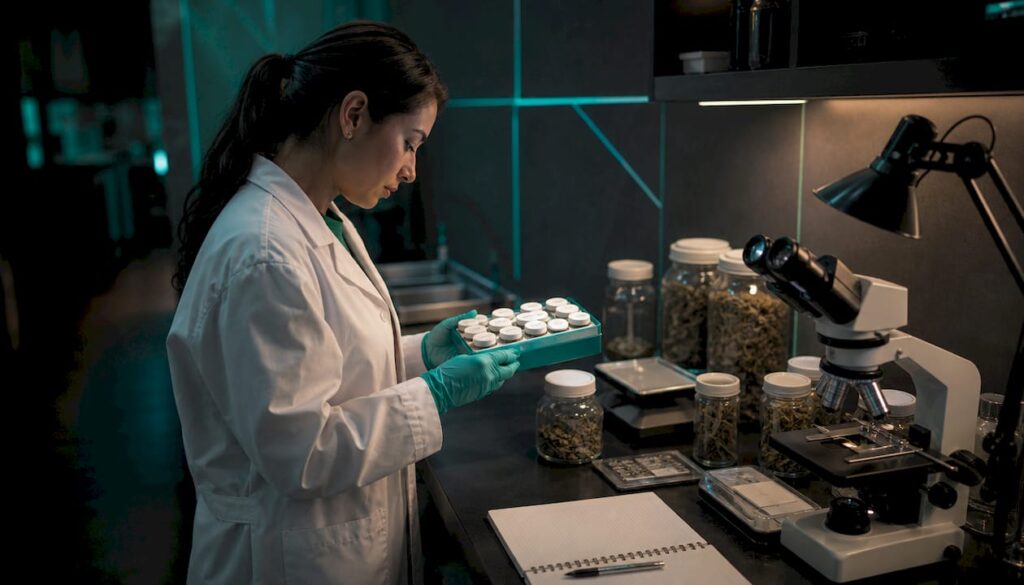
A cannabis genetic collection is the organised set of varieties, breeding lines and traditional populations that preserve the biological diversity essential for growing with quality and consistency. Without this diversity, the selection of desirable traits becomes blocked and crops lose their ability to adapt. The genes that control cannabinoids and terpenes are polygenic and sensitive to the environment, which means that maintaining a broad collection is not a collector’s whim but a technical necessity. If you have ever wondered why serious growers invest so much time in gathering and preserving genetics from Bluedoggenetics and other seed banks, the answer lies in what a good collection makes possible: better crosses, greater resilience and more predictable harvests.
In short:
- A cannabis genetic collection brings together landraces, hybrids and stabilised breeding lines that sustain the biological diversity needed to grow with quality.
- The PhenoDB system documents the lineage of more than 56,000 cannabis varieties, reflecting the complexity of the available gene pool.
- Genetic diversity acts as biological insurance against pests, diseases and climate changes you don’t yet know about.
- Tissue culture preserves elite, pathogen-free genetics while taking up a fraction of the space of a traditional clone.
- Bluedoggenetics offers feminised and autoflowering seeds selected with genetic judgement to start or expand your collection.
What is a cannabis genetic collection and how is it built?
A cannabis genetic collection is made up of three main categories of plant material: landraces, hybrids and stabilised breeding lines. Landraces are traditional varieties adapted over centuries to specific regions, such as the sativas of Thailand or the indicas of Afghanistan. Hybrids combine traits from different lines to obtain new profiles. Stabilised breeding lines are the result of repeated selections that fix specific characteristics in the offspring.

Building a collection requires preservation methods suited to each type of material. Seeds are the most accessible and durable format when stored correctly in cold and darkness. Clones make it possible to replicate an exact phenotype, but they require space and constant maintenance. Tissue culture, also called micropropagation, preserves elite genetics in sterile conditions and takes up a fraction of the space a traditional clone needs.
Documenting the lineage of each variety is as important as preserving it physically. The PhenoDB system tracks the ancestry of more than 56,000 cannabis varieties. That figure reflects the real complexity of the available gene pool and the difficulty of keeping reliable records without specialised tools. Without documentation, a collection loses value because you cannot reproduce results or understand where the traits you observe come from.
- Seeds: the most stable format for long-term storage; they require cold, low-humidity conditions.
- Clones: replicate the exact phenotype of the mother plant; ideal for preserving unique expressions.
- Tissue culture: eliminates pathogens, takes up little space and guarantees genetic purity.
- Pollen: allows you to preserve male genetics for future crosses without keeping live plants.
- Lineage records: they document the origin and crosses of each variety so results can be reproduced.
💡 Pro tip: always keep a backup of your most valuable seeds in a second location with controlled temperature and humidity. A single location is a single point of failure for your whole collection.
Why is it vital to preserve genetic diversity in cannabis?
Genetic diversity is the raw material of any breeding improvement. Without it, crosses produce minimal variation and selecting superior traits becomes almost impossible. A broad collection gives you access to gene combinations that no standard commercial variety can offer on its own.
The risks of not preserving this diversity are concrete and well documented. For decades, industrial selection has prioritised high THC and fast production, discarding thousands of unique chemical profiles. Research confirms that maintaining traditional populations prevents genetic erosion and is vital for future projects on climate adaptation and disease resistance. Losing a landrace means losing centuries of adaptation that no laboratory can recreate from scratch.
The specific benefits of maintaining genetic diversity are organised into three levels:
- Resilience: varieties with different genetic profiles respond differently to pests, fungi and temperature changes. A diverse collection acts as biological insurance against threats you don’t know about yet.
- Innovation in breeding: broad collections make it possible to combine and stabilise favourable traits that don’t exist in any single strain. Without diversity, breeding becomes a closed circle.
- Chemical variability: the aroma, flavour and effect of a strain depend on hundreds of compounds. Different genetics produce terpene and cannabinoid profiles that can’t be obtained any other way.
«Genetic erosion in cannabis is not a future problem. Every traditional variety that disappears takes with it climatic adaptations and chemical profiles that took generations to form and that no current technology can fully recover.»
Understanding the importance of genetics in cannabis at the level of genotype and phenotype allows you to make smarter selection decisions and better predict how your plants will behave.
How do scientific advances influence genetic conservation?
Science has transformed the way cannabis genetic collections are preserved and studied. Two techniques stand out for their direct impact on the quality and viability of collections: tissue culture and ancestral genetic reconstruction.

Tissue culture is the standard for preserving elite genetics. It allows you to keep plants free of viruses and bacteria in a minimal space, with a genetic purity that traditional clones can’t guarantee. A single tissue culture cabinet can hold hundreds of genetics that would fill an entire greenhouse in clone form.
The reconstruction of ancestral sequences reveals something surprising: prehistoric cannabis enzymes synthesised multiple cannabinoids simultaneously. Industrial selection eliminated that ability by prioritising a single compound. Recovering that chemical diversity through modern technology opens up therapeutic and sensory possibilities that the current market has barely explored.
| Technique | Main advantage | Limitation |
|---|---|---|
| Tissue culture | Eliminates pathogens, takes up little space | Requires specialised equipment |
| Seed storage | Affordable and accessible | Viability decreases over time |
| Clone preservation | Replicates the exact phenotype | Needs space and ongoing maintenance |
| Genetic reconstruction | Recovers lost chemical diversity | Technology still at the research stage |
💡 Pro tip: if you work with elite genetics that you don’t want to lose, tissue culture is the safest long-term investment. Look for specialised laboratories that offer this service if you don’t have the equipment yourself.
Private repositories combine seeds, pollen and other genetic resources to ensure the continuity of collections against accidental loss. That redundancy is the same logic used by agricultural seed banks on a global scale.
How can growers use a genetic collection to improve their crops?
A well-built genetic collection is a working tool, not a passive archive. A grower who keeps several lines can select the most suitable one for each goal: higher potency, a specific aroma, cold resistance or a short flowering cycle.
The first practical step is to identify and preserve your best mother plants. A quality mother plant is the starting point for uniform clones and controlled crosses. Losing a mother plant without having saved seeds or tissue means losing years of selection. Correct seed storage makes the difference between a living collection and a dead one in a drawer.
Careful crosses are where a collection generates real value. Combining a line with high resin production with another of a complex terpene profile can produce a variety that surpasses both parents. But that result is only possible if you have access to both lines and know their genetic history. The Bluedoggenetics breeding guide explains in detail how to carry out these crosses with care and documentation.
- Phenotypic selection: grow several seeds of the same variety and choose the plant with the most desirable characteristics to keep as a mother.
- Backcross: crosses a variety with one of its parents to fix specific traits without losing the original genetic base.
- Observation log: note down how each plant behaves in every cycle to identify patterns and make selection decisions based on real data.
- Active diversification: introduce new lines into your collection every season to avoid genetic stagnation and keep your options open.
Repositories that maintain more than 3,000 cultivars show that the size of a collection correlates directly with the selection possibilities available. You do not need 3,000 varieties to grow well, but you do need enough diversity for your choices to make sense.
Key points
A cannabis genetic collection is the foundation of any serious grow because genetic diversity determines quality, resilience and the possibilities for long-term improvement.
| Point | Details |
|---|---|
| Diversity as insurance | Keeping several lines protects your grow against pests, diseases and climate changes. |
| Mandatory documentation | Without lineage records, a collection loses value because you cannot reproduce results. |
| Modern preservation techniques | Tissue culture eliminates pathogens and preserves elite genetics in little space. |
| Genetic erosion is real | Industrial selection has eliminated unique chemical profiles that only diverse collections can recover. |
| Breeding requires a broad base | Quality crosses are only possible when you have access to lines with complementary characteristics. |
What years of growing teach about genetic collections
More than a decade of working with cannabis genetics leaves one clear lesson: the variety you don’t keep today won’t be available tomorrow. Many growers lose unique lines because they have no backup system, and that loss cannot be recovered with money or time.
The most surprising thing about the current debate on genetics is that many growers still prioritise the trendy variety over the stability of their base collection. A variety that goes viral on social media can be interesting, but without a solid collection of proven lines, you have nothing to compare against or improve on. Novelty without a foundation is noise.
Ancestral genetic reconstruction is going to change what we understand by “quality” in cannabis. Recovering chemical profiles that industrial selection eliminated is not science fiction, it’s active research. Growers who already have diverse collections will be in a position to take advantage of these advances. Those who don’t will have to start from scratch.
If you’re interested in understanding why the most serious growers put so much effort into their collections, I recommend reading about why they collect genetics. The answer has more layers than it seems.
Expand your collection with verified-quality seeds
Bluedoggenetics maintains a catalogue of feminised and autoflowering seeds selected on genetic merit, not just commercial popularity. Every variety available in the Bluedoggenetics shop has gone through a selection process that prioritises stability, cannabinoid profile and adaptability to different growing environments. If you are building or expanding your collection, you will find lines to work with over the long term, not just seeds for a single season. The complete catalogue of Bluedoggenetics premium seeds includes options for growers at every stage, from those looking for their first stable line to breeders who need genetic material with a documented history.
Frequently Asked Questions
What is a cannabis genetic collection?
A cannabis genetic collection is an organised set of varieties, breeding lines and traditional populations preserved to protect biological diversity. It includes seeds, clones, tissues and lineage records that make it possible to reproduce and improve crops in a systematic way.
Why is genetic diversity important in cannabis?
Genetic diversity determines a crop’s ability to resist disease, adapt to the climate and produce unique cannabinoid and terpene profiles. Without it, selection and breeding are limited to a closed circle of repeated traits.
How are elite cannabis genetics preserved?
Tissue culture is the most effective method for preserving elite genetics because it eliminates pathogens and takes up little space. Seeds stored in cold and darkness are the most accessible alternative for medium-sized collections.
What is genetic erosion in cannabis?
Genetic erosion happens when traditional varieties disappear under market pressure towards standardised commercial genetics. Every variety lost takes with it climatic adaptations and unique chemical profiles that cannot be fully recreated with current technology.
How many varieties do I need to have a useful collection?
There is no universal minimum number, but a functional collection includes at least lines with complementary profiles: one with high resin production, one with a complex terpene profile and one with proven resistance to adverse conditions. The quality and knowledge of each line matter more than the total quantity.