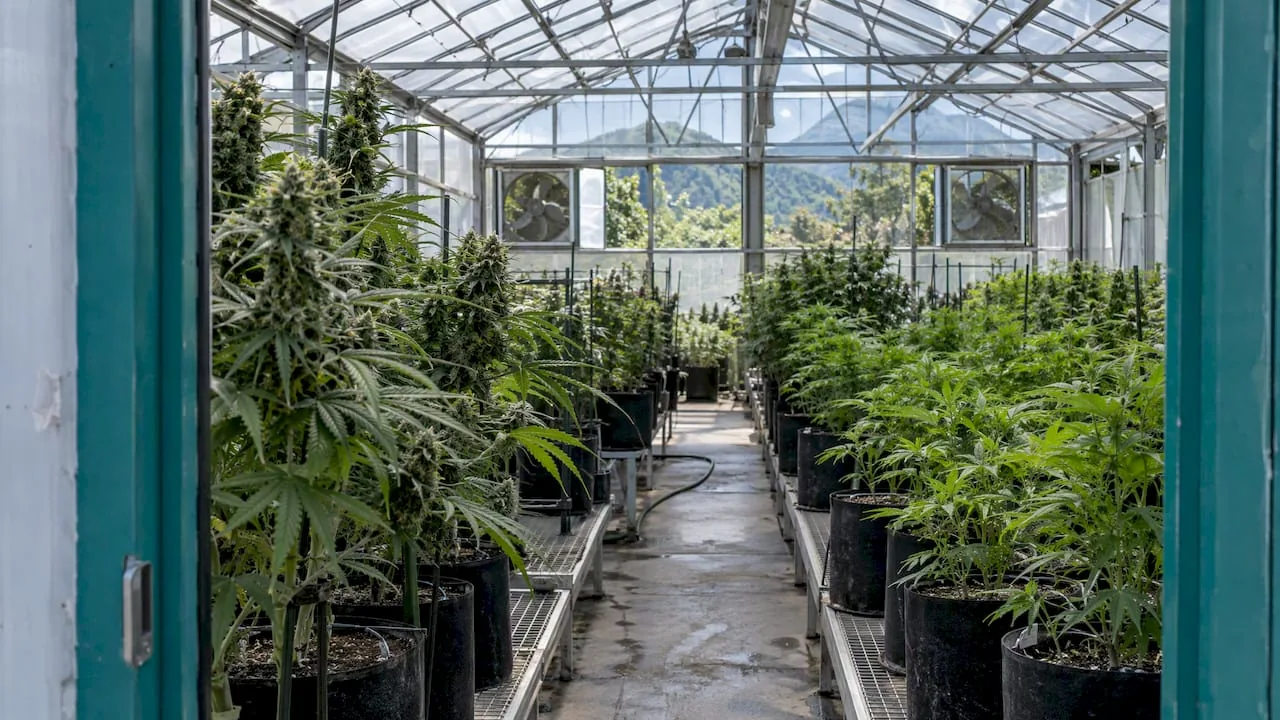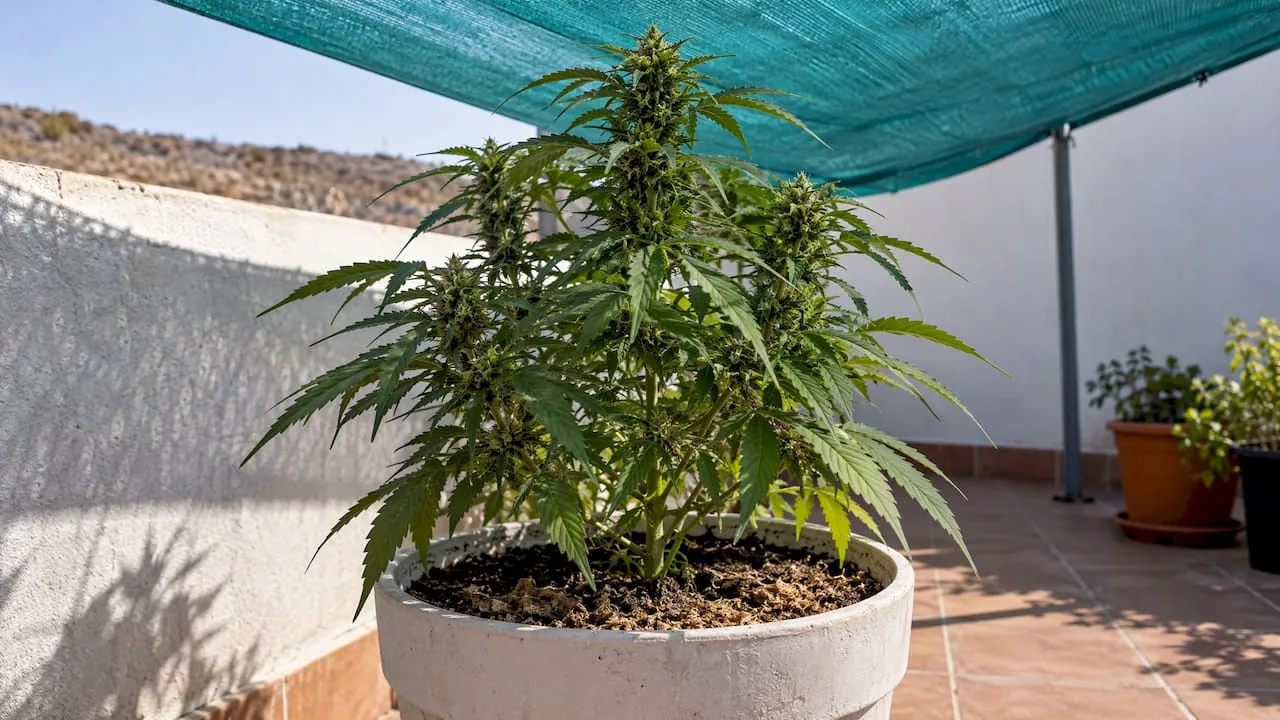


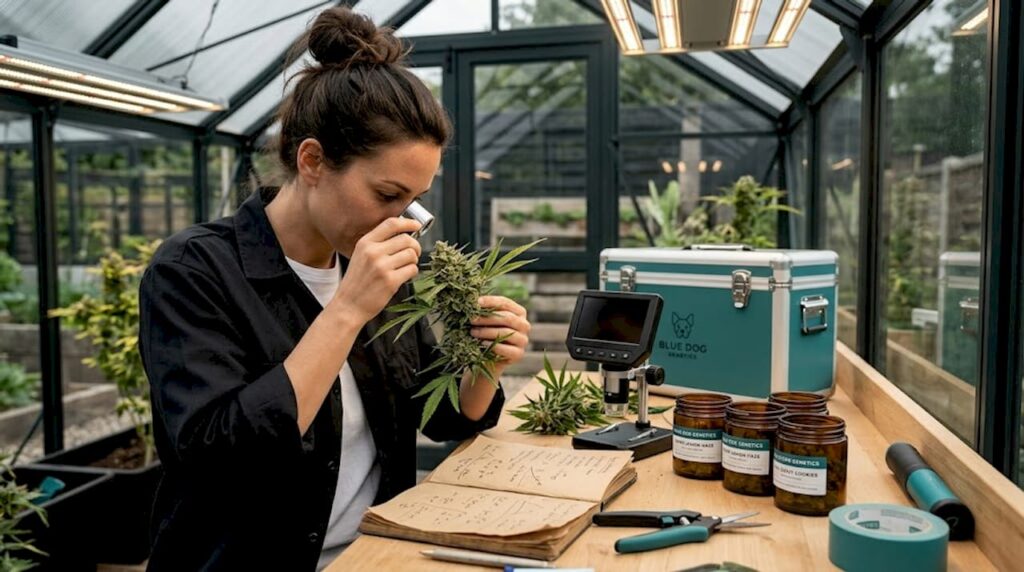
With more than 500 documented varieties and thousands of subvariants available, identifying premium cannabis genetics has become a skill that separates growers who get exceptional harvests from those who settle for mediocre results. The problem is not a lack of options, but knowing how to tell a truly superior genetic from the rest in a market saturated with eye-catching names and empty promises. This guide gives you the concrete tools to evaluate, compare and select premium cannabis varieties with technical judgement and real results.
Key points
| Point | Details |
|---|---|
| THC isn’t everything | The terpene profile and secondary cannabinoids define the real quality of a premium genetic line. |
| Lineage matters | Genetics with breeder’s rights guarantee stability, consistency and repeatability in every cycle. |
| Observation and recording | Documenting morphology, aroma and chemistry lets you compare genetics using objective criteria. |
| The advances are real | Triploid seeds and modern hybrids offer unprecedented yields and robustness. |
| Mistakes cost harvests | Confusing potency with quality or neglecting the cure ruins even the best genetics. |
What premium genetics in cannabis are
When we talk about premium cannabis genetics, we don’t simply mean the most expensive variety in the catalogue. Premium genetics combine a well-defined cannabinoid and terpene profile, consistent phenotypic stability between plants, and a documented lineage that guarantees repeatability in every growing cycle.
Think of the genotype as the architectural blueprint and the phenotype as the finished building. Premium genetics has a precise blueprint and produces uniform buildings, cycle after cycle. Mediocre genetics can surprise you with variable results that make it impossible to plan your production.
Key differences compared with common genetics
The following table summarises the differences between cannabis genetics that have the biggest impact on the final result:
| Characteristic | Common genetics | Premium genetics |
|---|---|---|
| Cannabinoid profile | Variable and unpredictable | Stable and documented |
| Terpene profile | Limited or inconsistent | Complex and reproducible |
| Lineage and origin | Unknown or unverified | Traceable and certified |
| Phenotypic stability | High variation between plants | Uniformity between individuals |
| Genetic protection | No breeders’ rights | With certification or protected rights |
| Pest resistance | Medium or low | High through specific selection |

The best cannabis genetics are also distinguished by their base types. Sativas offer elongated structures and stimulating effects. Indicas produce compact plants with greater resin density. Ruderalis provides the genetic base for autoflowering varieties. And modern hybrids combine the best of each type, with controlled expressions that premium breeders select over years of work.
Something many growers overlook: protection through plant breeders’ rights is not just a legal formality. It is a sign that the creator invested real time in stabilising that genetics and can stand behind its consistency.
Tools and preparation for evaluating genetics
Before you can accurately identify a premium cannabis variety, you need to prepare both your growing space and your evaluation tools. Improvising at this stage leads to wrong conclusions that can cost you a whole season.
Basic tools you need:
- 30x to 60x magnifying loupe for observing trichomes and leaf structures
- pH and EC meter to control the nutrient environment
- Colorimetric kit or test strips for cannabinoids (basic detection of THC and CBD)
- Logbook or grow tracking app
- Hygrometer and thermometer to record environmental conditions during the assessment
Recommended prior knowledge:
- Basics of cannabis morphology (calyxes, trichomes, bracts)
- Flowering cycles and their stages
- Differences between feminised, autoflowering and regular plants
The growing environment directly affects phenotypic expression. Premium genetics grown in poor conditions can look mediocre. That’s why evaluation should always be carried out under controlled, replicable conditions.
💡 Pro tip: Always evaluate at least three plants of the same genetics before drawing conclusions. A single plant can be atypical because of environmental stress, not because of the genetics themselves. Precise phenotype selection requires comparison between individuals, not isolated judgements.

| Tool | What it’s for | Level of accuracy |
|---|---|---|
| 30x60x magnifier | Observe trichomes and maturity | Visual, indicative |
| Colorimetric kit | Detect the presence of THC/CBD | Basic, semi-quantitative |
| pH/EC meter | Control the nutritional environment | High, quantitative |
| Chromatography (lab) | Full cannabinoid profile | Very high, definitive |
Steps to identify premium genetics in practice
This is where theory turns into results. Following a structured process lets you compare premium cannabis varieties objectively and build a data history that improves with every cycle.
- Visual observation of the structure. Examine the plant’s architecture: distance between nodes, calyx density, bud compactness and trichome coverage. Premium genetics show uniformity between plants from the same batch. Dense, crystalline trichome coverage visible to the naked eye is a positive sign, but not a definitive one.
- Aroma profile analysis. Aroma is the first indicator of the terpene profile. Gently rub a leaf or a small piece of bud and assess the complexity of the smell. Premium cannabis varieties have complex, well-defined aromas, such as combinations of citrus with earth, or wood with floral notes. A flat or generic aroma usually points to a poor terpene profile.
- Basic chemical assessment. Use a colorimetric kit to confirm the presence of the main cannabinoids. If you have access to a laboratory or testing service, request a full profile that includes THC, CBD, CBG and the main terpenes. The THC concentration in premium flowers can reach 15 to 25%, but that figure on its own isn’t enough. The entourage effect, the interaction between all the compounds, is what defines the real experience.
- Lineage verification and documentation. Check the origin of the seed, the bank that developed it and whether it has genetic protection. Breeders’ rights are a guarantee that the genetics were stabilised with scientific rigour. A serious bank can give you information about the parent crosses and the selection cycles carried out.
- Recording and comparing. Create a tracking table with the data for each genetic you evaluate: morphology, aroma, kit results, flowering time and yield per plant. Comparing this information between cycles lets you identify patterns and confirm the consistency of a premium genetic over time.
💡 Pro tip: The triploid seeds represent one of the most significant advances in premium cannabis genetics: with three sets of chromosomes, they produce sterile plants that put all their energy into resin and yield, without producing unwanted seeds. If you want to maximise production, they’re worth exploring.
Triploid seeds can increase yield by up to 17.5 times compared with conventional varieties, with a 70% reduction in waste. It isn’t science fiction. It’s the direction elite growing is taking.
Common mistakes when identifying premium genetics
Even experienced growers fall into traps that distort their assessment. Knowing about them in advance saves you time, money and frustration.
- Confusing high THC with absolute quality. This is the most widespread mistake. The terpene profile and the secondary cannabinoids are what define quality for a premium grower. A variety with 22% THC and poor terpenes delivers a flat experience compared with one at 17% with a complex aromatic profile.
- Ignoring genetic stability. If plants from the same batch show very different morphologies, the genetics are not stabilised. That means it isn’t premium, regardless of the seller’s promises.
- Neglecting the post-harvest cure. Exceptional genetics can be ruined by a poor cure. Temperature, humidity and drying time directly affect the preservation of terpenes and cannabinoids. Post-harvest mistakes are one of the most frequent causes of disappointing results with quality genetics.
- Not checking the source. Buying seeds without information on their origin or without backing from the breeding seed bank is a blind gamble. The authenticity of premium genetics starts with traceability from the seed bank to your grow.
Legal protections such as plant breeders’ rights are vital for encouraging genetic innovation and ensuring the quality of the final product. Without them, the market fills up with unstable copies that confuse growers.
What results to expect from premium genetics
When you apply these criteria and select correctly, the results are visible from the first cycle and become consolidated over time.
- Greater uniformity at harvest. Plants from the same batch with similar structures, flowering times and yields. That makes planning easier and reduces waste.
- Improved resistance. Premium genetics that are rigorously selected show greater tolerance to pests, fungi and environmental variations. Fewer corrective interventions means less stress for the grow and for you.
- Potency with nuance. Not just more THC, but a complete experience backed by terpenes and secondary cannabinoids working together. The entourage effect that sets a truly premium cannabis apart.
- Profitability and reputation. If you grow to share or for your own use with a quality mindset, working with the best cannabis genetics positions you as a grower who knows what they are doing. The difference shows in the final product and in consistency cycle after cycle.
- Replicable data. With good records, you can repeat the same results every season. That turns growing into a controlled practice, not a game of chance.
My perspective on the genetic future of cannabis
I have seen how the seed market has changed radically in recent years. When I started working with cannabis genetics, most growers were guided solely by the THC percentage on the label. Today, the most advanced growers ask about the complete terpene profile, phenotypic stability and documented lineage. That change in mindset is real, and it is a positive one.
What practice has taught me most is that phenotype selection combined with rigorous environmental management is the most direct path to consistency. There are no shortcuts. You can have the best seed in the world and ruin the result with a poorly controlled environment or a rushed cure.
My bet for the coming years is triploid seeds and new-generation hybrids with verified plant breeders’ rights. Not because they’re a fad, but because they represent decades of genetic work focused on measurable results. Growers who learn to identify and work with these genetics will have a real advantage over those who keep buying by name or price.
If you’re just starting out, don’t feel overwhelmed. Begin by documenting everything, comparing at least three plants per genetic line and prioritising traceability of origin over price. Quality has a cost, but it also has a clear return.
Find your premium genetics at Bluedoggenetics
If you already know how to identify premium genetics, the next step is getting access to them. Bluedoggenetics offers a curated selection of premium feminised and autoflowering seeds with verified lineages, detailed technical information and genuine quality guarantees.
Every variety in the Bluedoggenetics catalogue was selected using the same criteria you describe in this guide: phenotypic stability, a documented cannabinoid profile and a traceable origin. In addition, shipping is discreet and customer support is available to answer any questions before and after your purchase. You can browse the full catalogue and manage your order with complete peace of mind. Whether you are a novice grower or have spent years perfecting your technique, you will find genetics that suit your level and your goals.
FAQ
What distinguishes premium genetics from common ones?
Premium genetics combine phenotypic stability, a documented cannabinoid and terpene profile, and a traceable lineage backed by the breeding seed bank. Uniformity between plants from the same batch is its clearest sign.
Does high THC guarantee premium genetics?
No. High THC can be counterproductive and does not define quality on its own. The terpene profile and secondary cannabinoids are what determine the real experience and the quality of a premium variety.
What are triploid seeds and why do they matter?
Triploid seeds have three sets of chromosomes, which produces sterile plants that concentrate their energy on resin and yield. They can increase yield significantly compared with conventional varieties, representing one of the most relevant advances in premium cannabis genetics.
How do I verify the authenticity of premium genetics?
Check the origin of the seed, the seed bank that developed it and whether it has breeders’ rights or genetic certification. A reputable seed bank provides information about the parent crosses and the selection cycles carried out for that variety.
How many plants should I evaluate to confirm a premium genetic line?
Assess at least three plants from the same batch under identical controlled conditions. A single plant may show variations due to environmental stress that don’t reflect the true genetics. Consistency between individuals is the definitive proof of genetic stability.