

Crossing unique cannabis genetics is the process of combining two parent varieties with specific traits to obtain hybrids with exclusive characteristics, greater potency or novel terpene profiles. In the world of breeding, this process is technically known as controlled hybridisation, and its results depend directly on the quality of the parents and the clarity of your goals. Concepts such as F1, F2, backcrossing and phenotype selection are not just lab jargon: they are the tools that separate a chance cross from a genetic line with its own identity. If you want to create varieties nobody else has, this process is your starting point.
In short:
- Crossing cannabis genetics successfully requires defining each parent’s cannabinoid profile, terpene profile, morphology and resistance beforehand.
- The F1 generation brings uniformity and hybrid vigour, but it is in F2, with its 1:2:1 Mendelian segregation, that truly unique phenotypes appear.
- Backcrossing reinforces specific traits, but when overused it leads to inbreeding and a loss of genetic vigour.
- Stabilising a genetic line with its own identity takes between 4 and 8 generations of rigorous selection; there are no reliable shortcuts.
- Evaluating each parent for at least two full cycles before crossing it avoids contaminating the line with latent hermaphroditism or other hidden defects.
How can you successfully cross unique cannabis genetics?
The first step to crossing cannabis varieties with predictable results is to define exactly what you’re looking for before touching a single plant. Without a clear goal, the cross produces interesting seeds but without direction. With a defined goal, each generation brings you closer to the variety you have in mind.
The parameters you should set before choosing parents are:
- Cannabinoid profile: Are you looking for high THC, a THC/CBD balance or a variety rich in minor cannabinoids such as CBG or CBN?
- Terpene profile: Terpenes determine the aroma, the flavour and part of the effect. Identify which terpenes dominate in each parent.
- Morphology and flowering time: A compact plant with fast flowering and a tall one with long flowering produce an unpredictable F1 if you don’t assess compatibility.
- Resistance and adaptation: If you grow outdoors or in difficult conditions, resistance to fungi and pests should be as important a selection criterion as yield.
Defining the cannabinoid and terpenoid profile prevents you from losing whole generations without moving towards your goal. Choosing parents without visible, proven examples of the trait you are after is the most common mistake among novice breeders. If you want a variety with abundant resin, the parent must already show that characteristic clearly, not just in theory.
To identify genetics with solid traits before crossing, see the Bluedoggenetics premium genetics guide, where you’ll find specific evaluation criteria.

💡 Pro tip: Grow at least two full cycles with each parent before using it in a cross. That way you confirm that the traits you see are consistent and not an environmental accident.
How does the crossing process work step by step?
The process of crossing cannabis plants to obtain unique seeds requires control, patience and attention to detail. Each seed resulting from a cross contains a different genetic combination, which means that repeated selection is the only way to get closer to the phenotype you are looking for.
Follow these steps to carry out a clean cross:
- Sexing plants: Identify males and females during the pre-flowering stage. Males show pollen sacs; females show white pistils. For a controlled cross, you need at least one good-quality male and several females of the recipient parent. Check the cannabis sexing guide to identify the sex accurately.
- Isolating the male: Move the male to a separate space before the pollen sacs open. Accidental pollination ruins whole harvests of unfertilised females.
- Pollen collection: When the male’s sacs are about to open, place a plastic bag over the branch and shake it gently. Store the pollen in an airtight container with silica gel in the freezer if you aren’t using it straight away.
- Controlled pollination: Apply the pollen directly to the pistils of the chosen female using a fine brush or a cotton swab. Mark the pollinated branch with a coloured label so you don’t confuse it with the rest.
- Environmental control: Keep the relative humidity below 50% during pollination to prevent the pollen from degrading or dispersing. Ventilate the space after the process to remove excess pollen from the air.
- Seed harvest: Seeds ripen between 4 and 6 weeks after pollination. They are ready when the calyx that holds them opens and the seed shows dark stripes on a light background.
💡 Pro tip: Pollinate only one or two branches of the female, not the whole plant. That way you get seeds from the cross and keep harvesting seedless flowers from the rest of the plant.
Selection and stabilisation: from F1 to consistent genetics
The F1 generation produces uniform, vigorous plants thanks to hybrid vigour, but true uniqueness appears in later generations. F1 generates uniformity, while F2 segregates in the classic Mendelian ratio of 1:2:1, with broad phenotypic variability that allows you to identify unique combinations. That variability is exactly what you want if you are looking to create a genetic line with its own identity.

The variability in F2 and later generations allows growers to identify unique phenotypes that don’t appear in the uniformity of F1. This makes the F2 generation the hunting ground of serious breeders.
To select and stabilise effectively, keep these criteria in mind:
- In F2: Germinate between 20 and 50 seeds to get a representative sample. Evaluate each plant for the target traits: structure, aroma, trichome density, flowering time and resistance.
- Target phenotype: Select the 2 or 3 individuals that best express the traits you are looking for. These will be your new parents for the next generation.
- Backcrossing: If you find an exceptional phenotype but want to reinforce a specific trait from one of the original parents, cross that phenotype back to the original parent. Backcrossing increases the consistency of traits and is used to turn unique clones into seeds with high genetic similarity.
- Converting clones to seeds: When you want to convert a clone-only line into seeds, apply repeated backcrossing cycles. With enough cycles, you recover up to 94% of the original genetics in seed form.
- Avoid inbreeding: Excessive backcrossing creates genetic weakness. Uncontrolled backcrossing reduces vigour and can amplify recessive defects. Alternate backcrossing cycles with crosses to new lines to maintain vitality.
The following table summarises the differences between generations and their usefulness in the breeding process:
| Generation | Uniformity | Variability | Main use |
|---|---|---|---|
| F1 | High | Low | Stable production and hybrid vigour |
| F2 | Medium | High | Hunting for unique phenotypes |
| F3 and later | Increasing | Decreasing | Progressive stabilisation |
| BX (backcross) | High | Low-medium | Reinforcement of specific traits |
Combining F2 recombination phases with stabilisation phases through rigorous selection and backcrossing is the most effective strategy for creating genetics with a consistent identity. There are no shortcuts: the process takes between 4 and 8 generations to reach real stability.
Common mistakes when creating exotic cannabis genetics
Mistakes in breeding don’t just cost time: they can ruin months of work and produce worthless seeds. Knowing the most common failures lets you avoid them from the very first cross.
“Methodical genetic selection and patience over multiple generations are essential to achieve stability and exclusivity.” Source: Stabilisation of Cannabis Seeds
The most common mistakes are:
- Using unevaluated parents: Crossing plants that you haven’t grown for at least two full cycles means you don’t know how they really behave. A parent with latent hermaphroditism can contaminate your whole genetic line.
- Accidental pollination: A single open pollen sac in the growing space can pollinate all your females. Always work with the male in a completely separate space and wear different clothes.
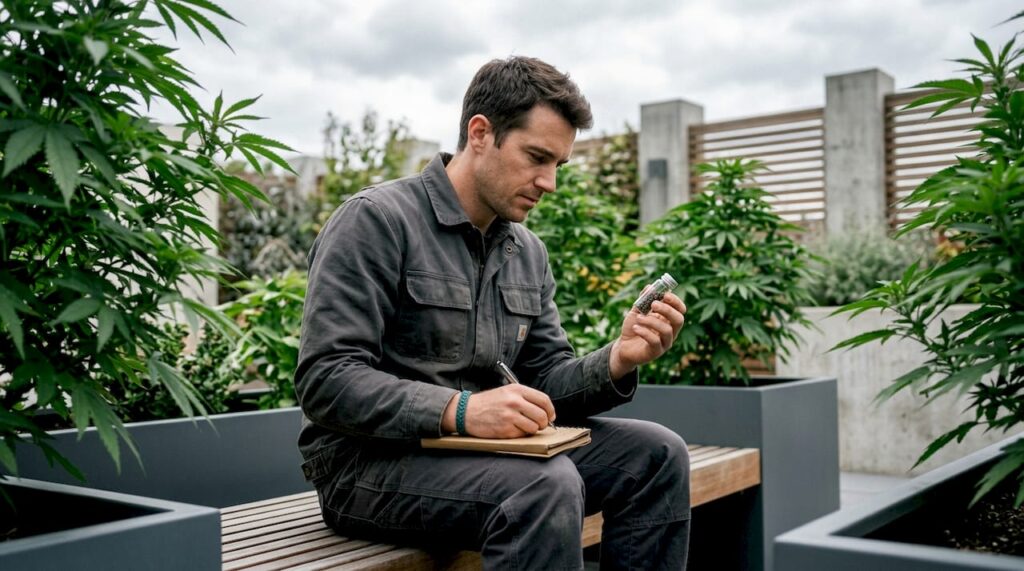
- Not keeping any records: Without detailed notes on each cross, selected phenotype and generation, you lose track of the process. Use a notebook or a spreadsheet to document each plant with photos, dates and observations.
- Selecting by visual appearance alone: A good-looking plant does not guarantee a superior terpene or cannabinoid profile. Also assess the aroma, the trichome structure and how the plant behaves under stress.
- Moving too fast: Going from F1 to F3 without selecting rigorously in each generation produces seeds with inconsistent traits. Patience over multiple generations is not optional, it is the method.
To better understand what separates a quality seed from a mediocre one before starting your breeding project, take a look at the signs of elite seeds that experts look for.
Key points
Crossing unique cannabis genetics requires well-evaluated parents, clear goals and rigorous selection in every generation to achieve real consistency.
| Point | Details |
|---|---|
| Define goals before crossing | Establish the cannabinoid, terpene and morphological profile before choosing parents. |
| F2 is where uniqueness appears | Phenotypic variability in F2 lets you identify unique combinations that F1 doesn’t show. |
| Backcrossing reinforces traits | Use backcrossing to consolidate desired traits, but alternate with new lines to avoid inbreeding. |
| Document every generation | Without detailed records, you lose control of the process and can’t replicate results. |
| Patience is the method | Stabilising a genetic line takes between 4 and 8 generations; there are no shortcuts that work in the long term. |
What nobody tells you about cannabis breeding
I’ve seen many growers get excited about their first cross and expect spectacular results in F1. The reality is that F1 is almost never where the magic happens. It is a transition generation, useful for production but not for uniqueness. The real excitement comes in F2, when you germinate 30 seeds and suddenly a plant appears with an aroma you’ve never smelled before. That can’t be bought: it is built.
What the process has taught me most is that variation is not a problem, it is the resource. Many novice breeders get frustrated when their F2 are inconsistent. But that inconsistency is exactly what you need to find something unique. The work lies in having the judgement to recognise what is worth preserving and what to discard without sentimentality.
I also need to tell you something that few articles mention: environmental stress during the selection process reveals traits you wouldn’t see in perfect conditions. A plant that keeps its structure and aroma under moderate water stress or temperature changes is a much stronger candidate than one that only shines in ideal conditions. Select under real pressure, not in a perfect greenhouse.
If you’re interested in exploring the most advanced possibilities of modern breeding, triploid genetics represent a fascinating frontier well worth knowing about.
Start your breeding project with quality seeds
To create cannabis crossbreeds with their own identity, you need to start from genetics with solid, documented traits. At Bluedoggenetics you will find a curated selection of feminised and regular seeds designed for growers who want real quality, not just production. Each variety in the catalogue has been chosen for its defined genetic characteristics, which gives you a solid base for any breeding project. Delivery is discreet, order tracking is transparent and support is available if you have questions about which genetics to combine. Explore the catalogue and choose your parents carefully. Your next exclusive genetics starts with the right seed.
For breeding projects that look for uniqueness and potency, two especially interesting varieties as a starting point are those available in the Bluedoggenetics catalogue, where you can review detailed genetic profiles before deciding.
Frequently Asked Questions
What is the difference between F1 and F2 in cannabis?
F1 produces uniform plants with hybrid vigour, ideal for stable production. F2 segregates in a Mendelian 1:2:1 ratio and shows high phenotypic variability, which makes it possible to identify unique genetic combinations.
How many generations are needed to stabilise a genetic line?
Stabilising a cannabis variety takes between 4 and 8 generations of rigorous selection and backcrossing. There is no universal exact number, because it depends on the complexity of the traits you want to consolidate.
What is backcrossing and what is it for?
Backcrossing consists of crossing a selected phenotype back with one of its original parents. It is used to reinforce specific traits and increase genetic consistency, although it should be alternated with new lines to avoid a loss of vigour.
Can I use feminised seeds to make crosses?
Yes, but with limitations. Feminised seeds do not naturally produce males, so you will need feminisation techniques to obtain pollen, or you can use regular seeds if you want a complete breeding process. Take a look at the comparison of feminised vs regular seeds to decide which one suits your project best.
How do I avoid accidental pollination during crossing?
Always isolate the male in a completely separate space before the pollen sacs open. Wear different clothes when handling the male and ventilate the growing space after each pollination session to remove excess pollen from the air.