

The best cannabis collections combine historic landraces, iconic crosses and specimens with unique terpene profiles that you won’t find in any conventional catalogue. If you want to start collecting special cannabis varieties with good judgement, there are three priority categories: pure landraces (Afghan, Thai, Malawi), historic classics from the 80s and 90s (Skunk #1, Northern Lights, White Widow, Jack Herer, OG Kush), and varieties with distinctive terpene profiles such as Purple Haze or Hash Plant. These lines represent the genetic heritage of modern cannabis; without them, most of today’s strains would not exist.
For a collector, the value lies not only in rarity, but in verifiable history, lineage stability and the aromatic complexity that sets each specimen apart. You can explore the curated Bluedoggenetics collection to see which historic varieties and special editions are available right now. If you’re looking for a specific starting point, limited edition seeds are an excellent first acquisition.
The best first step: choose a landrace or a historic classic, acquire it as a collectible item from a supplier with discreet shipping, and store it properly from day one.
What does a collector look for in a special variety?
The criteria that separate a collectible variety from an ordinary seed have nothing to do with yield per square metre. According to enthusiasts and experts, rarity and history weigh more than raw potency when judging whether a variety deserves a place in the collection.
These are the criteria that really matter:
- Rarity and historical provenance. An Afghan or Thai landrace represents decades of natural adaptation without human intervention. That genetic purity is irrecoverable once it is lost.
- Verifiable lineage. Skunk #1, for example, has a documented family tree that goes back to crosses of Acapulco Gold, Colombian Gold and Afghan. That trail is part of the value.
- Distinctive terpene profile. Jack Herer stands out for its combination of terpinolene, ocimene and myrcene, which gives it that resinous, herbal aroma that no modern hybrid replicates exactly.
- Phenotypic diversity. Regular seeds retain males and greater genetic variability, which makes them essential for breeding projects and for discovering unique phenotypes within the same batch.
- Genetic stability. A variety stabilised over generations, such as Northern Lights, produces plants with predictable characteristics, which makes it easier to document and faithfully reproduce the phenotype.
- Value for breeding. Regular seeds from pure lines are the raw material of any serious genetic improvement programme.
- Available documentation. The more historical information exists about a variety (first appearances in catalogues, awards, documented crosses), the greater its value as a collector’s piece.
The priority depends on your goal. If you want to preserve genetics, landraces and classics in regular versions are the absolute priority. If the aim is display or swapping, feminised versions of iconic lines offer phenotypic consistency and are easier to document visually.
Pro tip: To assess genetic quality before adding a variety to your collection, check out Bluedoggenetics’ guide to premium genetics: it covers the physical and genealogical indicators that distinguish an authentic specimen from a copy.

The historic and special varieties you should collect
This selection is ordered by historical relevance and value for collectors in Central Europe. Each listing includes the details that matter most when deciding whether a variety fits your collection.
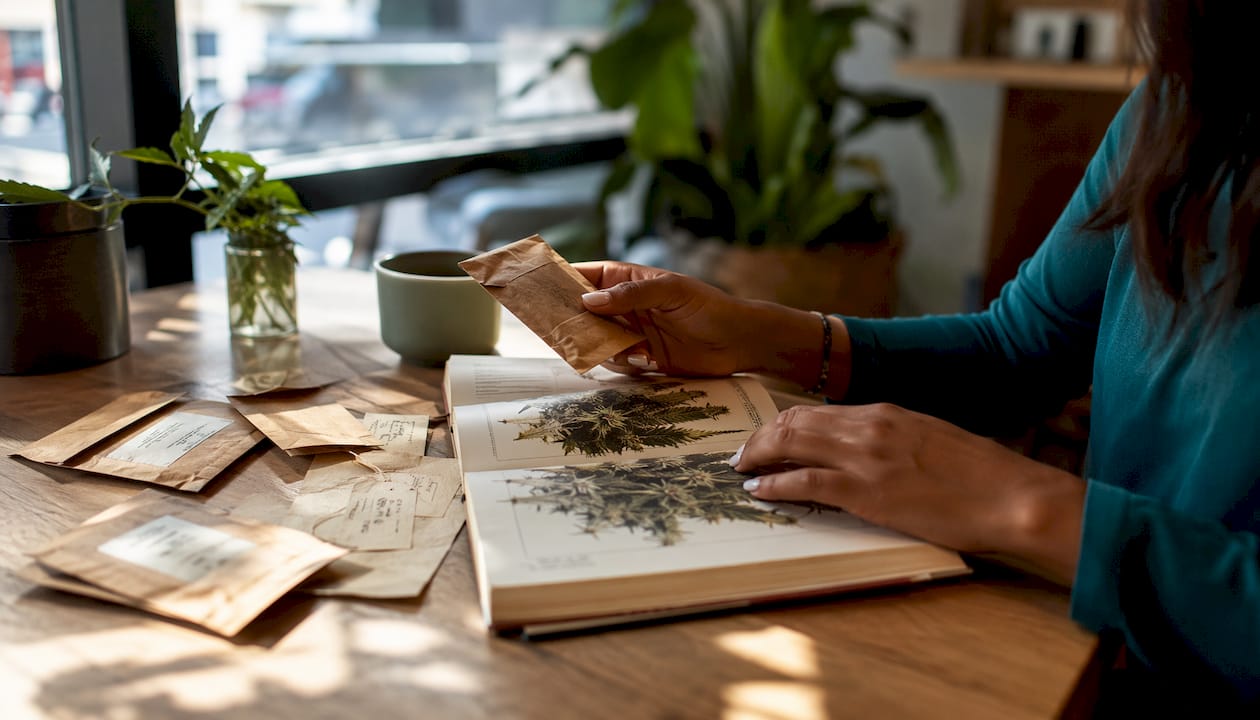
Landraces: the origin of it all
Seed banks emerged in the 1980s precisely to preserve these lines in the face of legal pressure. Including landraces in a collection adds a historical and genetic value that no modern cross can replicate.
-
Afghan Kush | Landrace | Photoperiod Originally from the Hindu Kush mountains between Afghanistan and Pakistan. Earthy, spicy and resinous aroma, with hash notes that make it unmistakable. Flowering takes around a few weeks. Low difficulty, very resistant to adverse conditions. For collectors, it is the genetic reference for almost all modern indicas.
-
Hindu Kush | Landrace | Photoperiod Direct cousin of Afghan Kush, with an even spicier terpene profile and a characteristic compact structure. Its uncrossed lineage makes it one of the most sought-after pieces for those who document pure genetics. Flowering of roughly several weeks, easy to grow.
-
Thai | Landrace | Photoperiod Pure sativa from Southeast Asia, with citrus and fruity aromas very different from any indica. Long flowering cycles make it more demanding, but its terpene profile is unique in any serious collection. Medium-high difficulty.
-
Malawi | Landrace | Photoperiod From south-eastern Africa, this long-flowering sativa (14–16 weeks) produces resins with an unusually sweet and fruity aromatic profile. Scarce in European catalogues, which raises its value as a rare piece.
Historic classics: the heritage of the 80s and 90s
-
Skunk #1 | Hybrid | Photoperiod One of the first stabilised hybrids, the result of crossing Acapulco Gold, Colombian Gold and Afghan. Its intense, earthy aroma with sweet notes is instantly recognisable. Typical flowering of several weeks, low difficulty. An essential reference in any historic collection.
-
Northern Lights | Indica | Photoperiod Developed from Afghan lines in the 1970s and popularised in the 1980s, it is famous for its pest resistance and uniform flowering (7–8 weeks). Sweet, earthy aroma. Its genetic stability makes it one of the best options for documenting phenotypes accurately.
-
White Widow | Hybrid | Photoperiod A cross of Brazilian Sativa and South Indian Indica, winner of the 1995 Cannabis Cup. Dense trichome coverage and an earthy aroma with floral notes. Flowering takes around several weeks, medium difficulty. A classic that remains a terpene benchmark.
-
Jack Herer | Hybrid | Photoperiod Created by Sensi Seeds as a tribute to the activist of the same name. It combines Haze, Northern Lights #5 and Shiva Skunk. Complex terpene profile: terpinolene, ocimene and myrcene give a herbal, resinous and slightly citrusy aroma. Flowering takes several weeks, medium difficulty. Winner of multiple international awards.
-
OG Kush | Hybrid | Photoperiod Debated but iconic lineage: possibly Chemdawg crossed with Lemon Thai and Hindu Kush. Citrusy, earthy aroma with fuel notes that make it unmistakable. Flowering of several weeks, medium-high difficulty. Its impact on Californian genetics makes it a benchmark.
-
Purple Haze | Sativa Hybrid | Photoperiod Made famous by the Jimi Hendrix song, although its exact genetic origin is still a matter of debate among collectors. Characteristic purple colouring, sweet and fruity aroma with earthy notes. Flowering lasts several weeks, medium difficulty.
-
Silver Haze | Sativa Hybrid | Photoperiod A cross of Northern Lights #5 and Haze, developed by Sensi Seeds. Earthy, spicy aroma with citrus notes. Flowering takes several weeks. Its silvery trichome coverage gives it its name and makes it visually striking for photographic documentation.
-
Hash Plant | Indica | Photoperiod Afghan line selected specifically for its resin production. Intense hash aroma, earthy and spicy. Flowering of several weeks, low difficulty. Uncommon in current catalogues, which makes it one of the most prized pieces among specialist collectors.
Quick comparison table
| Strain | Rarity / history | Terpene profile | Type | Flowering | Difficulty |
|---|---|---|---|---|---|
| Afghan Kush | High / landrace | Earthy, spicy, hashish | Photoperiod indica | Weeks | Low |
| Hindu Kush | High / landrace | Spicy, earthy | Photoperiod indica | Weeks | Low |
| Thai | High / landrace | Citrus, fruity | Photoperiod sativa | Weeks | Medium-high |
| Malawi | Very high / landrace | Sweet, fruity | Photoperiod sativa | Weeks | High |
| Skunk #1 | High / 80s classic | Earthy, sweet, intense | Photoperiod hybrid | Weeks | Low |
| Northern Lights | High / 80s classic | Sweet, earthy | Photoperiod indica | Weeks | Low |
| White Widow | High / 90s classic | Earthy, floral | Photoperiod hybrid | Weeks | Medium |
| Jack Herer | High / 90s classic | Herbal, resinous, citrusy | Photoperiod hybrid | Weeks | Medium |
| OG Kush | High / iconic | Citrusy, earthy, fuel | Photoperiod hybrid | Weeks | Medium-high |
| Purple Haze | Medium-high / iconic | Sweet, fruity, earthy | Photoperiod sativa hybrid | Weeks | Medium |
| Silver Haze | Medium / classic | Earthy, spicy, citrusy | Photoperiod sativa hybrid | Weeks | Medium |
| Hash Plant | High / specialised | Hashish, earthy, spicy | Photoperiod indica | Weeks | Low |
The availability of these varieties in Central Europe varies depending on the supplier and the moment. Specialist catalogues sell them as collectible items for genetic preservation, without growing instructions. Bluedoggenetics keeps an up-to-date selection in its online shop, with availability that varies by season.
Photoperiod or autoflowering: which suits your collection better?
The choice between photoperiod and autoflowering varieties is not just technical; it defines what kind of collection you want to build and what you can do with it.
Photoperiod: the standard of serious collecting
Photoperiod varieties require a change in the light cycle (usually from 18/6 to 12/12 hours) to start flowering. This gives them a decisive advantage for collecting: they allow you to keep mother plants indefinitely under 18 hours of light, which means you can preserve a selected phenotype for years without needing to germinate new seeds. All the historic varieties in this guide are photoperiod, and that is no coincidence.
Phenohunting (searching for outstanding phenotypes within a batch) is much more effective with photoperiod plants because you have time to observe, select and clone before the plant enters flowering. According to reference growing data, starting between 10 and 20 seeds from the same batch is the practical range for identifying outstanding phenotypes with a large enough sample.
Autoflowering: speed and practicality
Autoflowering plants incorporate Cannabis ruderalis genes and flower by age, regardless of photoperiod. They are faster (total cycle of 8–10 weeks from germination) and more discreet in small spaces. Their drawback for collecting is the lower phenotypic diversity and the difficulty of keeping mother plants, since flowering is automatic and irreversible.
For a collector who wants to document and preserve historic genetics, autoflowering varieties are secondary. They have their place as a practical introduction or for collecting modern lines, but landraces and historic classics are all photoperiod.
Steps from acquisition to the first documented phenotype
- Acquisition and initial storage. Receive the seeds, check their physical condition (smooth surface, uniform colouring, no cracks) and store them in suitable conditions until you decide to germinate.
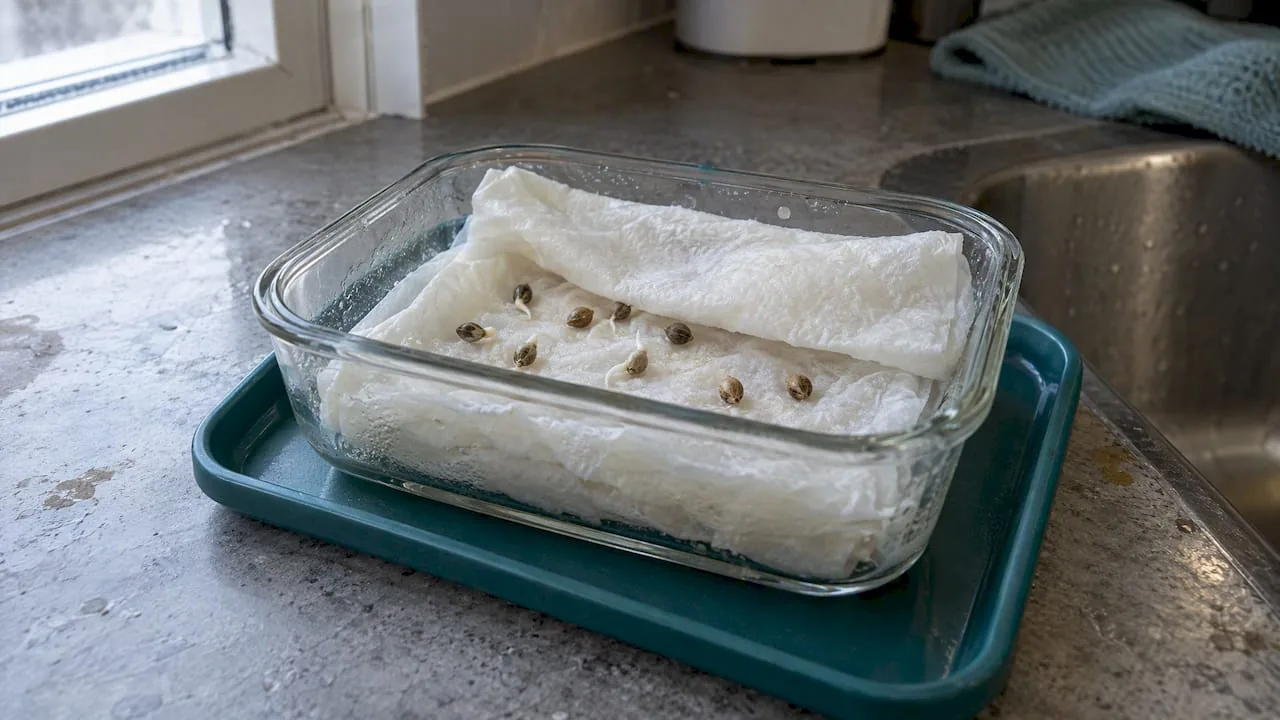
- Germination. Where local regulations allow it, start the process. See Bluedoggenetics’ germination guide for the technical steps.
- Vegetative phase and observation. During the first 4–6 weeks on a photoperiod, observe structure, colour, aroma and vigour. Label each plant with its batch number from day one.
- Sex identification and mother selection. With photoperiod plants, sex is identified when you change the light cycle. Select the females with the most interesting phenotype to clone before flowering progresses.
- Phenotype documentation. Record aroma, structure, trichome colour, flowering time and any distinguishing characteristic. This record sheet is the core of your collection.
Minimum checklist for evaluating phenotypes without chasing commercial yield:
- Space with light control (a cabinet or room with adjustable cycles)
- Neutral substrate so you don’t mask genetic expression
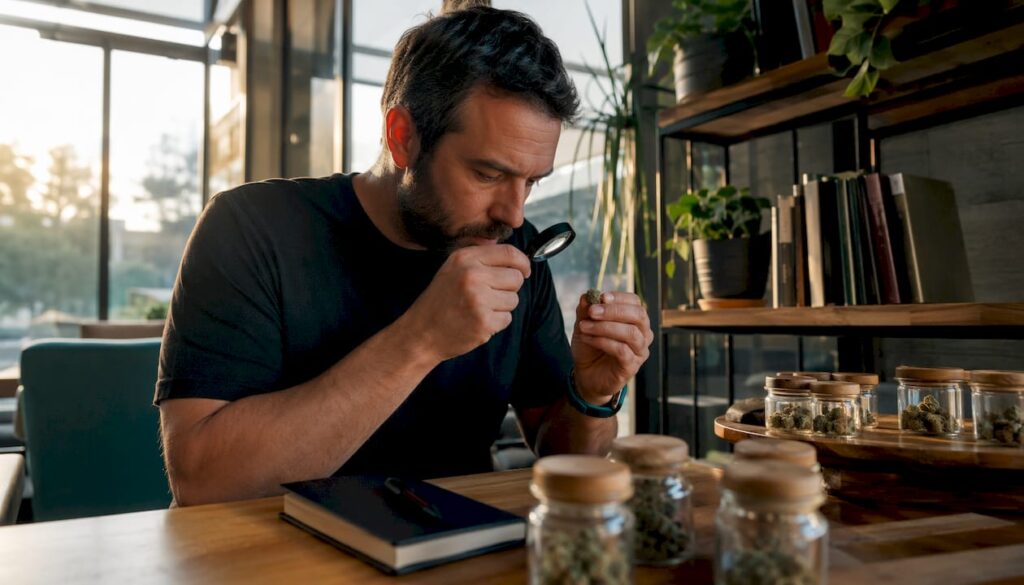
- Magnifying glass or handheld microscope (40x–60x) for observing trichomes
- Notebook or digital template for logging each plant
- Moisture-resistant numbered labels
- Camera for photo documentation at every stage
How to buy seeds in Central Europe and preserve your collection?
Legal framework: the practice of the collectible item
In most Central European countries, cannabis seeds are legally sold under the concept of a “collectible item for genetic preservation”. This means the seller may market them as long as they don’t promote germination or growing. Specialist catalogues limit quantities, include no growing instructions and make it clear that they sell for genetic preservation.
The responsibility for checking local regulations lies with the buyer. Legislation varies significantly between countries: what is permitted in one state may be restricted in another. The EUDA actively monitors the regulatory situation in Europe, including semi-synthetic cannabinoids and adulterations, which underlines the importance of buying seeds only through verified suppliers.
Pro tip: When buying, make sure the product description doesn’t include growing instructions or promise yields. A listing written like a collector’s item, with an emphasis on lineage and aroma profile, is the right presentation for both seller and buyer.
Long-term storage conditions
| Parameter | Recommended value | Sign of degradation |
|---|---|---|
| Temperature | 6–8 °C | Soft or discoloured seeds |
| Relative humidity | 20–30 % | Visible mould, sticky seeds |
| Packaging | Airtight (glass or vacuum) | Stale or damp smell |
| Light | Total darkness | Loss of lustre on the shell |
| Estimated shelf life | 3–5 years (optimal), up to 10 years vacuum-sealed | Germination rate below the expected average |
The ideal storage conditions are a temperature of 6–8 °C and relative humidity of 20–30 %, in airtight containers. For long-term storage, add food-grade desiccants inside vacuum-sealed bags. Also keep digital records and physical labels with a QR code for each batch; if your collection grows, this identification system becomes essential.
Documentation: the minimum template for each record
A well-documented collection has value for exchange and for scientific preservation. The minimum fields each record should include are:
- Strain name and name of the originating seed bank
- Documented lineage (cross or landrace, generation)
- Date of purchase and batch number
- Provenance (country or region of origin of the genetics)
- Number of seeds in the batch and physical condition on arrival
- Phenotype notes (if germinated: structure, aroma, flowering time)
- Current storage conditions and the date of the last germination test
To show rarity on the product page, highlight the exact geographical origin, the first date documented in historical catalogues and any appearance in specialist literature or leading awards.
How we select these varieties: criteria and authorship
The selection in this guide isn’t based on market trends or popularity on social media. The criteria we apply are the same ones any serious collector should use to build a collection with long-term value.
Curing criteria applied:
- Verifiable historical relevance. Only varieties with documented lineage and a place in the history of modern cannabis make the list, not recent marketing lines.
- Authenticity of the lineage. We prioritise genetics whose family tree can be traced back to original lines, not renamed versions of generic crosses.
- Availability of regular seeds. Regular seeds preserve maximum genetic diversity and are essential for breeding projects; when a regular version exists, we say so.
- Distinctive terpene interest. The aroma profile should be distinctive and documentable, not generic.
- Value for genetic preservation. Especially in the case of landraces, which represent irreplaceable botanical heritage if they are lost.
The methodology combines a review of historical seed bank databases, analysis of specialist catalogues and direct experience in selection and breeding at Bluedoggenetics. The availability of the listed varieties varies; this guide is a starting point, not a guarantee of permanent stock.
In short:
- Prioritise landraces and classics: Afghan, Thai, Malawi, Skunk #1 and Northern Lights are the pieces of greatest historical and genetic value.
- Buy it as a collectable item: in Central Europe, sales are legal under this concept; always check the regulations in your country before germinating.
- Store at 6–8 °C and 20–30 % humidity: these conditions, with an airtight container, keep seeds viable for years.
- Document every batch from day one: record the lineage, date, origin and phenotype notes; that documentation multiplies the value of the collection.
- Bluedoggenetics to get started: The shop offers a curated selection, discreet shipping and personal service for collectors in Central Europe.
Collecting as an act of preservation, not just a hobby
There is something that articles about cannabis rarely mention: collecting special varieties is, above all, an act of cultural conservation. When someone acquires seeds of a Thai landrace or of a line of Skunk #1 from the 1980s, they are not buying a product; they are preserving a fragment of botanical history that could disappear if nobody looks after it.
What worries me most about today’s market is the proliferation of eye-catching names that hide genetics with no verifiable lineage. A collector who does not document provenance and family tree ends up with a box of seeds without context, worth little more than any commercial variety. The genetic collection has value in 2026 precisely because authenticity is scarce, not because there are more varieties available than ever.
Responsible practice includes three non-negotiable commitments: recording every acquisition with its origin details, storing in suitable conditions from day one, and respecting local regulations at all times. Collecting without those three pillars is hoarding, not preservation.
If you have interesting varieties or have documented uncommon phenotypes, share your findings with the Bluedoggenetics team. Future editions of this guide draw on the community’s experience, and that is what makes a curated list improve over time.
What Bluedoggenetics offers collectors in Central Europe
Bluedoggenetics is the right choice for those looking for historic and special varieties without having to track down dubious suppliers or take unnecessary risks in the buying process. The offer is straightforward: a curated selection of verified genetics, discreet shipping to Central Europe and personal attention before and after your order.
The Bluedoggenetics shop includes both feminised seeds from classic lines and regular options for collectors interested in breeding. The buying process is simple: select your varieties, add them to your basket and complete the checkout process with the shipping options available for your country. Packaging is discreet by default, with no references to the contents on the outside of the parcel.
Frequently asked questions about the process:
- How long does shipping to Central Europe take? Delivery times vary depending on the destination; Bluedoggenetics gives the estimated time when you place your order.
- Is the packaging discreet? Yes, the parcel carries no references to the contents or the brand on the outside.
- Is there after-sales support? The team deals with queries about orders and tracking through the shop’s contact channels.
The terms and conditions set out the shipping and returns policies and the conditions of sale as a collectible item. Please read them before completing your first order.
To get started, visit the Bluedoggenetics shop and filter by the varieties that interest you most according to this guide.
Sources and further reading
These are the references the Bluedoggenetics team consults to curate and document the collection. All of them are publicly accessible and complement what you’ve read here.
- European Drug Report 2026 (EUDA): Official reference on the regulatory context of cannabis in Europe, including semi-synthetic cannabinoids and adulterations. Essential for understanding the current legal framework.
- History of cannabis and the first seed banks (Cáñamo): A historical article about the emergence of seed banks in the 1980s and their role in preserving landraces. Essential context for any collector.
- Cannabis legalisation map for Europe 2026: An updated overview of the legal situation country by country in Central Europe. Useful for checking the specific rules in your country before acquiring or germinating.
- Seed storage: quality and preservation (Bluedoggenetics): A practical guide to the technical conditions for storing seeds long term. The next logical step after buying your first collection.
- Colección genética cannabis: por qué importa en 2026 (Bluedoggenetics): An article explaining the value of collecting and genetic preservation from the grower’s perspective.
This guide is general information about collecting cannabis seeds. It does not constitute legal or agricultural advice. Always check the regulations in force in your country before buying, storing or germinating seeds.
Suggested slug: collectible-cannabis-varieties