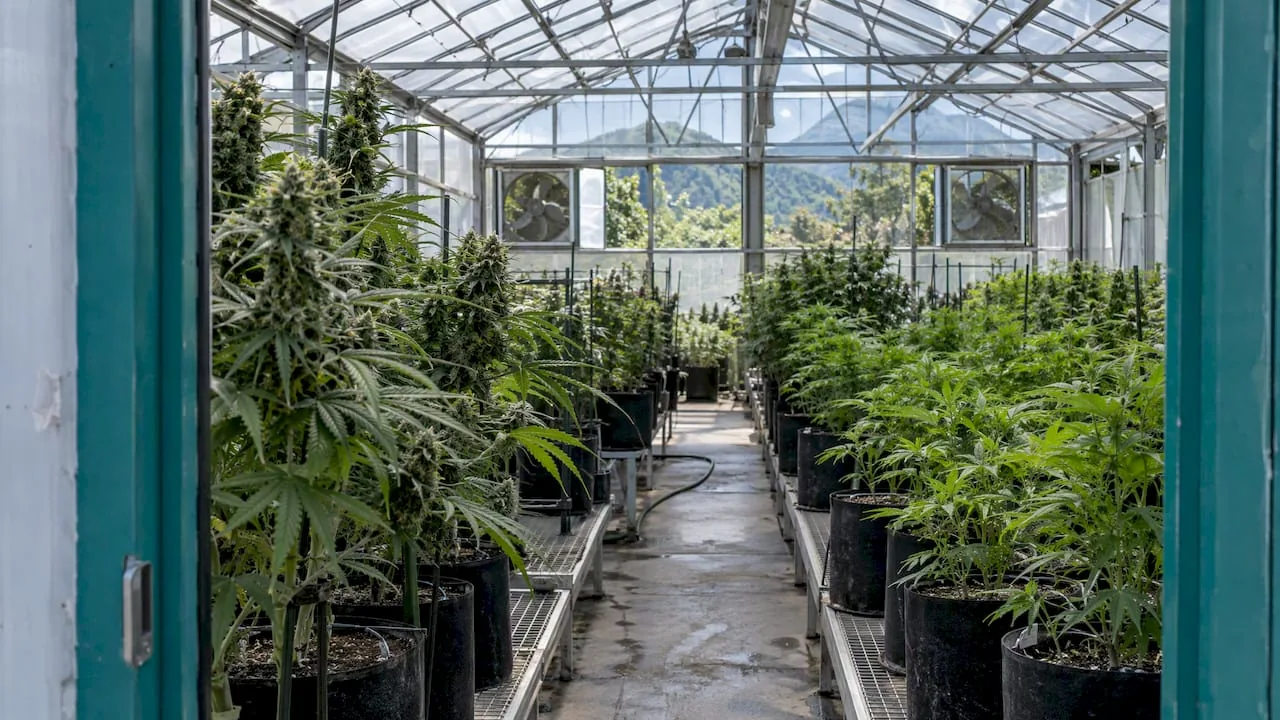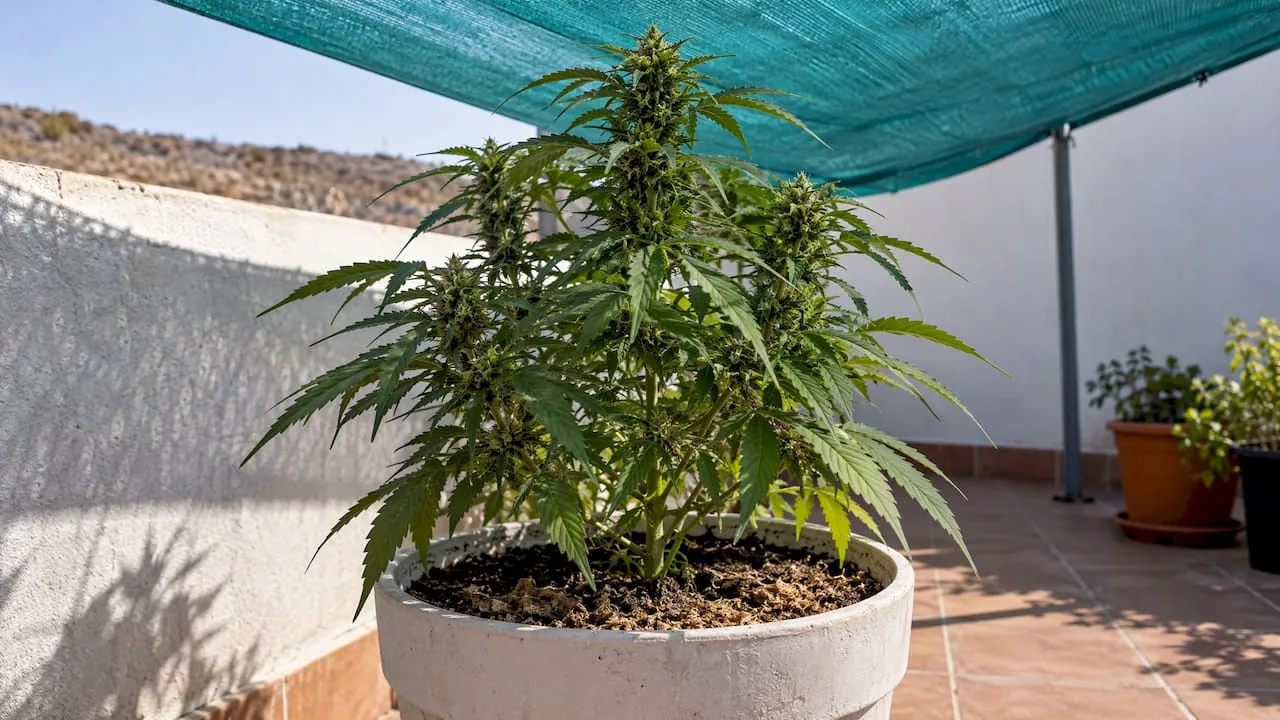



Cannabis is divided into three main types: indica, sativa and hybrids, and each one produces different effects that determine how and when it is consumed. Understanding the types, effects and popular varieties of cannabis is not just information for the curious; it is the basis for making safer, smarter consumption decisions. The terpenoid profile is as decisive as the botanical type in defining the final effect you experience. If you are new to the world of cannabis or want to deepen your knowledge before growing, this guide gives you exactly what you need.
1. What is cannabis indica and what are its effects?
Indica cannabis is a compact variety, with broad, dark leaves, originating from mountainous regions such as the Hindu Kush in Afghanistan and Pakistan. Its effects are mainly physical: deep muscle relaxation, a feeling of heaviness in the body and a tendency towards sedation. That is why it is recommended for evening use or for moments of active rest.

The terpene profile of indicas is usually dominated by myrcene and caryophyllene. Myrcene produces that “couchlock” effect that many users describe as being glued to the sofa, while caryophyllene contributes anti-inflammatory properties. This combination makes indicas popular in medicinal contexts too, especially for managing insomnia and chronic pain.
Some classic and modern indica varieties you should know:
- Afghan Kush: one of the purest genetics available, with high resin content and a pronounced sedative effect.
- Granddaddy Purple: indica-dominant hybrid, known for its purple colour and its relaxing and euphoric effect at the same time.
- Northern Lights: exceptional genetic stability, earthy flavour and a body effect that helps with sleep.
- Bubba Kush: aroma of coffee and chocolate, with a calming effect that starts in the head and moves down into the body.
💡 Pro tip: If you are after an indica to relax without being completely sedated, choose varieties with less than 18% THC and some CBD. The balance between the two cannabinoids softens the effect and makes it more manageable.
2. Cannabis sativa: energising effects and recommended uses
Cannabis sativa produces cerebral, energising effects that make it ideal for daytime use, creative activities and social situations. Its plants are tall, with thin, elongated leaves, and need a longer flowering time than indicas. The effect is centred on the mind: greater concentration, accelerated associative thinking and a feeling of active well-being.
The dominant terpenes in sativas are usually limonene and pinene. Limonene provides a citrus aroma and a mood-lifting effect, while pinene improves alertness and can partially counteract the short-term memory impairment caused by THC. This combination explains why many artists and creative professionals prefer sativas for work.
Well-known sativa varieties with clearly defined profiles:
- Sour Diesel: aroma of fuel and earth, fast and long-lasting cerebral effect, very popular in urban markets.
- Neville's Haze: pure haze genetics with high THC and an intense psychoactive effect, recommended only for experienced users.
- Jack Herer: a balance between mental clarity and mild relaxation, named in honour of the cannabis activist.
- Green Crack: eye-catching name, energising and focused effect, with a fruity, tropical aroma.
A genuine word of caution: high-THC sativas can cause anxiety or paranoia in sensitive people. If you notice your heart rate speeding up or your thoughts becoming hard to control, the variety probably has too much THC for your current tolerance. Always start with low doses.
3. Hybrid varieties: a balance between indica and sativa
Hybrids are the result of crossing indica and sativa genetics to combine their best characteristics. Today’s market is dominated by hybrids with effects that vary depending on the genetics and terpene profile of each phenotype. This means there is no such thing as a “generic hybrid”: each variety has its own character.
Hybrid genetics allow you to adjust terpene profiles to create specific effects and more controlled doses. An indica-dominant hybrid will give you more body relaxation with some mental clarity. A sativa-dominant one will do the opposite: mental stimulation with a touch of physical relaxation. Balanced 50/50 hybrids offer the best of both worlds, although their behaviour can vary quite a lot between phenotypes.
Popular hybrid varieties worth knowing:
- Gelato: a cross between Sunset Sherbet and Thin Mint GSC, with a sweet, creamy aroma and an effect that is both euphoric and relaxing.
- OG Kush: one of the most influential genetics on the market, with an intense cerebral effect followed by bodily relaxation.
- Wedding Cake: high THC concentration, vanilla and earth flavour, a potent effect that combines euphoria and sedation.
- Blue Dream: sativa-dominant with an indica base, a smooth, balanced effect that makes it accessible for intermediate users.
💡 Pro tip: When choosing a hybrid, don’t go by the name alone. Check whether it is indica- or sativa-dominant and look at the terpene profile. Two varieties called “balanced hybrid” can produce completely different experiences depending on their specific genetics.
4. Terpenes, THC and CBD: the chemistry that defines the real effect
THC is the main psychoactive substance in cannabis, and CBD moderates its effects while offering its own therapeutic benefits. The ratios between the two cannabinoids determine the psychoactive potency and medicinal profile of each variety. But terpenes add an extra layer of complexity that many consumers overlook.
To understand how these compounds interact, this table summarises the most common terpenes and their effects:
| Terpene | Main aroma | Main effect | Varieties where it predominates |
|---|---|---|---|
| Myrcene | Earth, mango | Relaxation, sedation | Afghan Kush, Granddaddy Purple |
| Limonene | Citrus, lemon | Lifts the mood, energises | Sour Diesel, Super Lemon Haze |
| Pinene | Pine, forest | Mental alertness, memory | Jack Herer, Blue Dream |
| Caryophyllene | Pepper, spices | Anti-inflammatory, anxiolytic | OG Kush, Wedding Cake |
| Linalool | Lavender, floral | Calming, reduces anxiety | Amnesia Haze, LA Confidential |
Terpenes have a notable influence on effects: myrcene induces relaxation and limonene energises. This explains why two varieties with the same percentage of THC can produce very different experiences. The entourage effect, which describes the synergistic interaction between cannabinoids and terpenes, is the reason why full-spectrum cannabis acts differently from isolated extracts.
For responsible use, measuring consumption in units of THC allows you to manage risks better, in a similar way to how alcohol units are used. It is recommended to keep weekly THC consumption below 30 mg for teenagers and 40 mg for adults to avoid developing a use disorder. This isn’t alarmism: it’s practical information that lets you enjoy cannabis without unwanted consequences.
5. Beginner’s guide: how to choose your first variety
For anyone new to cannabis, choosing the right variety makes the difference between a positive experience and one that causes anxiety or discomfort. Varieties with less than 10% THC and a balance of CBD are ideal for a safe introduction. CBD acts as a modulator of THC, reducing the likelihood of adverse effects such as paranoia or a racing heart.
Follow these criteria when choosing your first variety:
- Prioritise CBD over THC. Look for varieties with a CBD:THC ratio of 1:1 or higher. These produce milder, more manageable effects for anyone who hasn’t developed a tolerance.
- Avoid pure haze varieties. Neville’s Haze or Amnesia Haze have very high THC and intense cerebral effects that can be overwhelming for beginners.
- Check the terpene profile. Varieties with linalool and caryophyllene tend to be more calming and less likely to cause anxiety.
- Start with autoflowering seeds. They are easier to grow, have shorter cycles and usually have more moderate THC levels than photoperiod versions.
- Check reliable sources. The medicinal use of cannabis has real evidence but also clear limits. Separating myth from evidence is key to realistic expectations.
Weekly cannabis use with high doses of THC increases the risk of addiction and cognitive impairment in young people. This isn’t here to scare you, but so that you can make decisions with real information. Moderate use, with varieties suited to your level, is perfectly compatible with an active, healthy life.
💡 Pro tip: Before buying seeds, learn to identify premium genetics by checking the genetic lineage, the seed bank and other growers’ reviews. A quality seed is the foundation of everything else.
Key points
The terpene profile, the THC/CBD ratio and the botanical type together determine the real effect of any cannabis variety.
| Point | Details |
|---|---|
| Indica for night-time relaxation | Indica varieties such as Afghan Kush produce sedative effects that are ideal for rest. |
| Sativa for daytime activity | Strains like Sour Diesel energise and stimulate creativity without sedation. |
| Hybrids dominate the market | Gelato, OG Kush and Wedding Cake combine effects of both types with unique profiles. |
| Terpenes define the effect | Myrcene relaxes, limonene energises; knowing your terpenes improves your choice. |
| Beginners: low THC, high CBD | Varieties with less than 10% THC reduce the risk of adverse effects at the start. |
What I learned from growing and consuming different varieties
When I started exploring cannabis seriously, I made the mistake almost everyone makes: choosing strains by name or by what someone recommended to me without any context. A Neville’s Haze in my first experience with sativas was far too intense. It wasn’t dangerous, but it wasn’t pleasant either. That experience taught me something no article had ever explained clearly: the botanical type is only the starting point.
What really changed the way I choose was understanding terpenes. When I started looking for varieties by their aromatic profile rather than by their name, my experiences improved noticeably. A variety with caryophyllene and linalool gives me exactly what I’m after when I want to relax without losing the thread of a conversation. One with limonene and pinene works better when I need creative focus.
I also learned that genetics matter more than marketing. Two varieties called “OG” can be completely different if they come from different seed banks or from phenotypes selected in different ways. That’s why I insist that you check the lineage before buying seeds. The difference between a mediocre phenotype and an exceptional one isn’t in the price: it’s in the seed bank’s genetic selection.
My practical recommendation: if you are just starting out, choose an autoflowering variety with moderate CBD and grow it yourself. The growing process connects you with the plant in a way that completely changes how you consume it afterwards. And if you already have experience, experiment with hybrids with a specific terpene profile instead of always chasing the highest THC percentage.
Grow the varieties you have just discovered with premium seeds
If, after reading this guide, you’re clear on which type of cannabis best suits what you’re looking for, the next step is getting seeds of genuine quality. At Bluedoggenetics you’ll find a curated selection of feminised and autoflowering seeds that includes indica, sativa and hybrid varieties with documented terpene profiles. Every variety in the catalogue is chosen so that novice and experienced growers alike get consistent results.
Shipping is discreet, prices are competitive and order tracking gives you peace of mind at every stage. Explore the full seed catalogue and find the variety that matches the profile of effects you’re looking for. For beginners, autoflowering CBD seeds are the ideal entry point.
FAQ
What is the difference between indica and sativa?
Indica produces relaxing, sedative body effects, ideal for night-time use, whereas sativa generates energising mental effects recommended for daytime activities. The terpene profile of each type significantly reinforces these differences.
Which varieties are best for beginners?
Varieties with less than 10% THC and a notable presence of CBD are the most recommended for beginners, as they reduce the risk of anxiety and adverse effects. Autoflowering seeds also make growing easier for new growers.
Do terpenes really change the effect of cannabis?
Yes. Myrcene induces relaxation and sedation, limonene lifts the mood and energises, and linalool reduces anxiety. The terpene profile can be more decisive than the botanical type in defining the final effect you experience.
How much THC is safe to consume per week?
To avoid developing a use disorder, it is recommended to stay below 30 mg of THC per week for teenagers and 40 mg for adults. Measuring consumption in THC units makes it possible to manage the risks in a similar way to how alcohol units are used.
What are hybrids and why do they dominate the market?
Hybrids are crosses between indica and sativa genetics designed to combine their effects and suit specific needs. Varieties such as Gelato, OG Kush and Wedding Cake dominate the market because they offer balanced, predictable effect profiles that appeal for both recreational and medicinal use.