

- Smoked or vaporised flower: onset in 5-10 minutes, lasting 2-4 hours; ideal for falling asleep quickly but not enough to cover the whole night
To sleep well, try an indica-dominant variety with a profile rich in myrcene and linalool, starting with a low dose on the first night. The naturalistic study with more than 24,000 recorded sessions confirms that this type of profile offers the most perceived effectiveness against insomnia. If you take medication for sleep or anxiety, consult your doctor first, and never drive after consuming.
In short:
- The most sedating profile for sleep is that of varieties high in myrcene, linalool and terpineol, regardless of the indica or sativa label.
- The initial dose should be low and increased in small increments, keeping a careful record to avoid adverse effects and tolerance.
- The most controlled and effective ways of consuming to stay asleep are sublingual oils and edibles, thanks to their long duration.
- The most effective variety can vary depending on sensitivity to THC and whether the goal is to fall asleep or to stay asleep all night.
- Scientific evidence supports using cannabis with specific cannabinoid and terpene profiles, prioritising laboratory analyses over labels.
Top varieties for sleep: practical profiles for each variety
Before looking at names, understand one thing: what makes a strain sink you into the sofa is not whether the box says “indica” or “sativa”. It is its exact combination of cannabinoids and terpenes. That said, here is a selection of phenotypes and profiles that growing experience and real-world use point to as solid for night-time rest, ordered from most sedating to mildest.
- Granddaddy Purple (classic indica phenotype): a profile with high myrcene and some linalool; it produces deep muscle relaxation and usually induces sleep within 30-45 minutes if smoked or vaped. Starting dose: one puff, then wait 15 minutes before continuing.
- Northern Lights (pure indica): dominant myrcene with hints of caryophyllene; a heavy body effect, ideal for anyone who also deals with physical pain that keeps them awake. Start with a minimal dose, especially if you have never tried it before.
- Bubba Kush (indica with high linalool content): earthy, sweet aroma and a pronounced narcotic effect. It is one of the varieties most often cited by growers as “the one that switches you off like a light switch”. Save it for nights with no commitments the next day until you know your tolerance.
- Afghan Kush (ancestral indica): terpene profile with very high myrcene, abundant resin and a fast sedative effect in flower form. A good option for anyone looking to fall asleep quickly, rather than stay asleep all night.
- 9 Pound Hammer (Indica-dominant hybrid): moderately high THC combined with myrcene and limonene; relaxation with some initial euphoria before the sedative crash. Useful if insomnia goes hand in hand with mental tension.
- Blueberry (indica with a sweet profile): myrcene and pinene in balanced proportions, a progressive effect rather than a sudden hit. A good starting point for anyone beginning to explore varieties for sleep without wanting to feel knocked out.
- Cannatonic (CBD-rich hybrid): a ratio close to 1:1 or even with more CBD than THC; gentle sedation without an intense high, ideal for anyone who is sensitive to THC or has underlying anxiety.
- ACDC (predominantly CBD): barely any THC, with moderate myrcene and caryophyllene terpenes. It does not cause euphoria and works more as a relaxant than as a powerful sleep inducer, so it is best combined with good sleep hygiene.
- Harlequin (CBD:THC 5:2 hybrid): offers calm without heavy sedation; recommended for afternoon use, several hours before bed, for those who don’t tolerate high doses of THC in the evening well.
For THC-sensitive users, the safest route is not to avoid cannabis, but to lean towards chemotypes with more CBD and pure sedating terpenes, without chasing raw potency. A full-spectrum oil with a low proportion of THC and some CBD can give the same benefit without the mental hangover the next day.
💡 Pro tip: if you grow your own plants, don’t judge the sedative potential by the name of the genetics alone. Ask for or check the terpene analysis of the specific batch: two plants of the same variety can differ in myrcene depending on the phenotype, the harvest time and the cure.
If you’d like to understand better where these labels come from before choosing a seed, it’s worth reviewing the real differences between indica, sativa and hybrids, because it will help you read the product pages better when you buy.
Why the chemical profile matters more than the indica or sativa label
THC reduces the time it takes to fall asleep, meaning you drift off more quickly in the short term. But with continued use, a review on cannabinoids and sleep shows that the same THC can alter sleep architecture and build tolerance, which means you need ever higher doses for the same effect. CBD, on the other hand, does not feed that cycle of tolerance in the same way, although its sedative effect on its own is more modest and variable.
In figures: the naturalistic study with 24,189 sessions analysed found that indica and indica-hybrid varieties outperformed sativas and CBD-dominant products in perceived effectiveness against insomnia, with a statistically significant difference (p<.001).
This is where myrcene, linalool and terpineol come into play. Myrcene is the terpene most associated with the “body sedation” effect of cannabis; linalool provides an anxiolytic component similar to that of lavender; terpineol adds an extra relaxing touch. When you buy seeds or flower, look for lab analyses that break down these three terpenes, not just the THC percentage. A low or moderate THC ratio combined with some CBD and high myrcene usually works better than very high THC with no terpene support, because the sedative effect depends on synergy, not just potency. If you’d like to dig deeper into how to read these profiles, we have a complete guide to terpenes and their effects that is worth reading before you buy your next seed.
How to choose the right variety and adjust the dose for the evening
Choosing well depends on three factors: your previous experience with cannabis, your sensitivity to THC, and whether your problem is falling asleep or staying asleep all night. If you struggle to fall asleep but sleep well once you’re off, a fast-acting flower with high myrcene may be enough. If you wake up at 3 in the morning, a slower-release oil or edible usually gives better coverage over the hours.
The overnight titration protocol is simple, but it demands patience:
- Start low. One puff of flower, 2.5 mg of THC in oil, or an edible with 2-5 mg. There are no shortcuts here.
- Wait long enough before repeating. With flower or vape, 15-20 minutes. With sublingual oil, up to 45 minutes. With edibles, between 60 and 90 minutes, because the effect takes a while to appear.
- Increase in small steps only if you notice no effect. Raise it by 25-50 % the following night, and never double the dose all at once.
- Record which variety and which dose worked for you. A notebook or a notes app is enough; memory fails after several nights of trying different genetics.
- Reassess every 2-3 weeks. If you constantly need to raise the dose for the same effect, it is a sign of tolerance and time to take a break.
💡 Professional tip: if you notice lethargy, an extremely dry mouth, intense dizziness or anxiety on waking, you’ve taken too much. Hydrate, lie down and wait; the effects of excess THC are uncomfortable but rarely dangerous on their own. If you take other prescription sedatives or anxiolytics, that combination does require prior medical supervision, because the depressant effect can add up.
Flowers, oils, edibles, vape or sublinguals: which form suits you best
The way you consume cannabis completely changes how much control you have over the dose and how long the effect takes to arrive. Smoking or vaping gives the fastest response, within minutes, which lets you adjust as you go, but the effect also fades sooner, which doesn’t help if your problem is staying asleep all night.
- Smoked or vaporised flower: onset in 5-10 minutes, lasting 2-4 hours; ideal for falling asleep quickly but not enough to cover the whole night
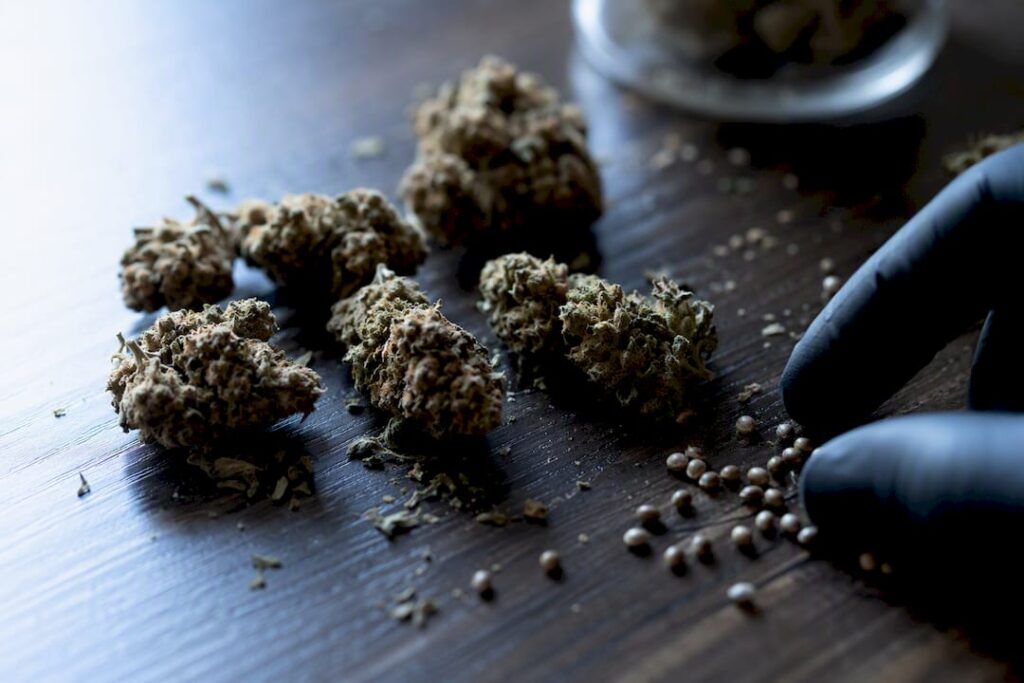
For growers and consumers: strains containing myrcene to help you sleep
180