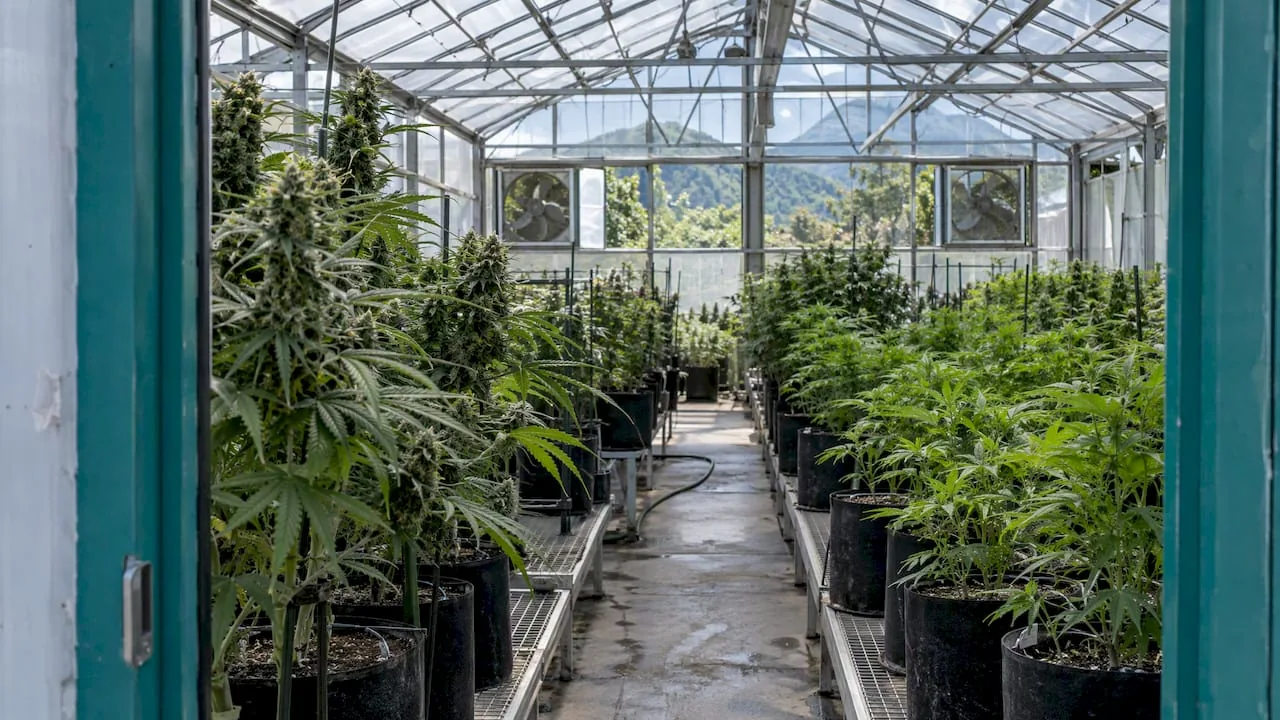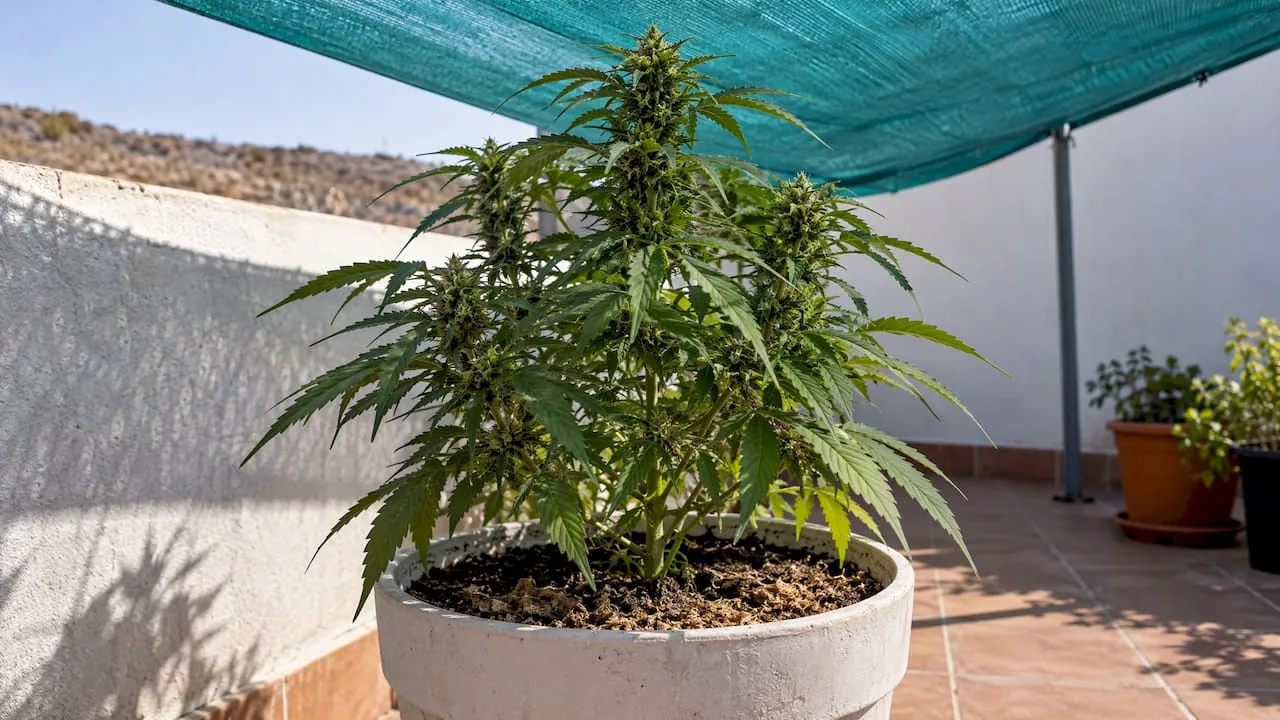


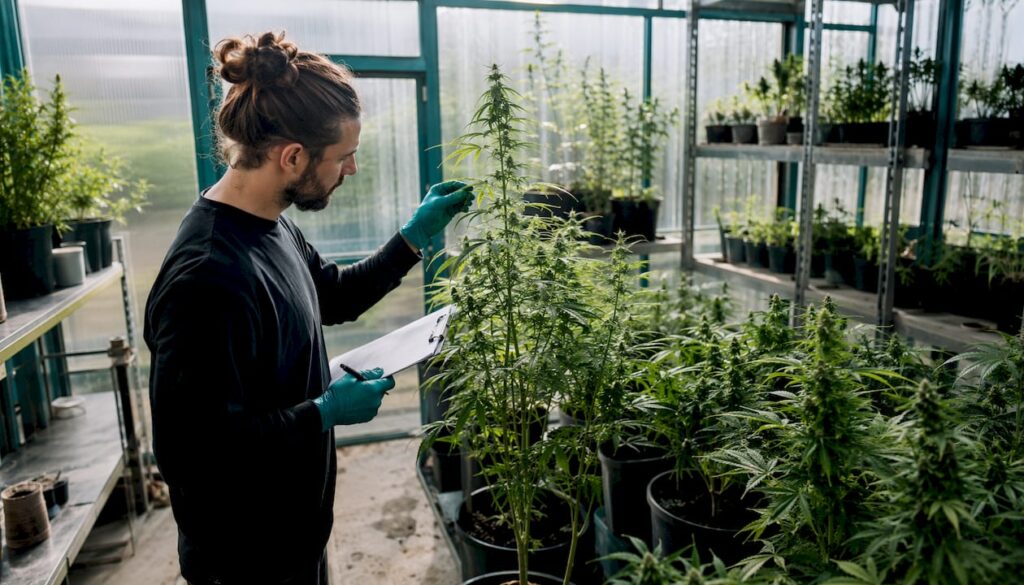
Indica, sativa and hybrid cannabis varieties are distinguished by their morphology, their chemical profile and the effects they produce, but current science shows that the traditional classification is too simple to describe what really happens in the plant. If you want to understand the differences between indica, sativa and hybrids honestly, you need to know both the classic characteristics and what the most recent genomic studies have revealed about them.
In short:
- Indica is compact with a short flowering time, while sativa is tall, slender and takes longer to mature.
- Myrcene, limonene and terpinolene are better predictors of the profile of effects than the commercial indica or sativa label.
- The current market is dominated by multigenerational hybrids, not by pure varieties.
- There is no statistically significant correlation between commercial labels and the real chemical composition of the plants.
- Bluedoggenetics offers seeds with documented indica, sativa and hybrid genetics for growers in Europe.
What are the fundamental differences between indica, sativa and hybrids?
The three categories are traditionally distinguished by their appearance, their growth speed and the effects attributed to them. Indica is compact and quick to flower; sativa is tall, slender and takes longer to mature; hybrids combine traits of both in varying proportions. However, the current market is dominated by multigenerational hybrids that have blurred the boundaries between the original varieties.
Quick comparison of the three categories:
| Characteristic | Indica | Sativa | Hybrid |
|---|---|---|---|
| Plant height | Low | High | Variable |
| Leaves | Broad, dark | Thin, elongated | Intermediate |
| Flowering | Short | Long | Intermediate |
| Typical effects | Relaxing, sedating | Energising, cerebral | Mixed depending on dominance |
| Common terpene profile | Myrcene, linalool | Limonene, terpinolene | Variable |
| Common use | Night, rest | Day, activity | Adaptable |
Key features that distinguish each type:
- Indica produces dense, resinous buds with earthy or sweet aromas.
- Sativa produces airier buds with citrus or fruity notes.
- Hybrids can lean towards either profile depending on their dominant genetics.
- No label guarantees a specific effect without knowing the cannabinoid and terpene profile.
What does the indica plant look like and what effects does it produce?
Indica has a low, compact habit, with broad dark green leaves and a branching structure that favours the production of dense buds. It flowers in 7–9 weeks, which makes it a highly valued option for growers with short cycles or limited indoor space.

The effects attributed to it are mainly relaxing and sedative, with a pronounced body feel that many users describe as a pleasant “heaviness”. Myrcene is the most common terpene in varieties with an indica profile, and its presence is associated with earthy aromas and calming effects. Even so, the final effect always depends on the concentration of THC, CBD and the rest of the terpene profile, not just on the label.
Main traits of indica:
- Compact plant, ideal for indoor growing or small spaces.
- Dense buds with high resin and trichome production.
- Short flowering period.
- Terpene profile dominated by myrcene and linalool.
- Sedating and relaxing effects, more pronounced in the body than in the mind.
«Varieties with indica dominance are associated with low-activation effects, such as a feeling of heaviness or slowness, according to models that control for multiple individual and consumption variables.» Ecological study on the subjective effects of cannabis, PubMed
💡 Pro tip: if you grow indoors with limited space, a variety with dominant indica genetics will give you greater control over height and a more predictable flowering cycle. Look for strains with myrcene as the main terpene if you want that relaxing profile.
Among the best-known indica-profile varieties on the European market are strains such as Afghani, Northern Lights and Granddaddy Purple, all with short cycles and very resinous buds. You can read more about cannabis types and effects to learn more about their characteristics.
What is the sativa plant like and what effects are attributed to it?
Sativa grows tall and slender, with thin, elongated, light green leaves. Its flowering period is longer, which demands more patience but rewards you with aromatic buds and a distinct psychoactive profile.

The effects associated with sativa are more cerebral and energising. Users describe them as stimulating creative thinking and concentration, with less body sensation than indica. Limonene and terpinolene are the most common terpenes in sativa varieties, and their presence contributes to citrus aromas and more activating effects.
Main traits of sativa:
- Tall, slender plant, better suited to outdoor growing or spaces with plenty of height.
- Airier buds, with lower density but intense aromas.
- Long flowering.
- Dominant terpenes: limonene, terpinolene, pinene.
- Energising, cerebral effects, with less impact on the body.
«Pinene as the main terpene is associated with fewer negative effects when consuming cannabis, whereas caryophyllene is linked to a greater perception of pain and adverse effects.» Ecological research on terpenes and subjective effects, PubMed
💡 Pro tip: sativa varieties grown outdoors in central Europe may need protection from the first autumn frosts if their flowering runs long. Choose genetics suited to mid latitudes or crosses with shorter flowering times.
Strains such as Durban Poison, Jack Herer or Amnesia Haze are classic references with a sativa profile on the European market. If you’re interested in headache relief with sativa varieties, there is evidence on their therapeutic applications that is worth reviewing.
Hybrids: what are they and why do they dominate the market?
A hybrid is the result of crossing indica and sativa genetics, with the aim of combining the best characteristics of both. Most of the varieties available today on the European market are multigenerational hybrids, the result of decades of selection and intensive crossing. Genetic mixing has blurred the clear differences between the original varieties, giving rise to a continuous spectrum rather than separate categories.
Genetic dominance determines the final profile of the hybrid. An indica-dominant hybrid will tend to be more compact, with shorter flowering and more relaxing effects; a sativa-dominant one will be taller, take longer to flower and produce more cerebral effects. Balanced hybrids, known as 50/50, offer intermediate characteristics in every respect.
Types of hybrids by dominance:
- Indica-dominant: compact, short flowering, sedative effects with cerebral nuances.
- Sativa dominant: taller, medium-to-long flowering, energising effects with moderate body relaxation.
- Balanced (50/50): intermediate characteristics, a mixed and adaptable effect profile.
- Backcross hybrid: the result of crossing a hybrid with one of its parents to reinforce specific traits.
| Hybrid type | Approximate height | Flowering | Effect profile |
|---|---|---|---|
| Indica dominant | Medium height | Short flowering | Relaxing with a cerebral touch |
| Sativa dominant | Medium-high height | Medium flowering | Energising with body relaxation |
| Balanced | Medium height | Medium flowering | Mixed, versatile |
The flexibility of hybrids makes them especially attractive to growers who want to adapt the plant to their growing conditions without sacrificing the desired effect profile. You can see specific examples of high-potency hybrids to guide your choice according to the yield you are after.
Science questions the classic indica and sativa labels
The traditional classification into indica, sativa and hybrid has a fundamental problem: there is no statistically significant correlation between those commercial labels and the real chemical composition of the plants. Genomic studies have shown that most varieties labelled as indica or sativa are, in fact, hybrids with complex chemical profiles that don’t fit that binary division.
Modern botanical taxonomy classifies all varieties of cultivated cannabis under the name Cannabis sativa L., with no subspecies distinction for the consumer’s practical purposes. The differences that do exist between varieties are better explained by their terpene and cannabinoid profiles than by their morphological label.
- The indica and sativa labels reflect differences in terpene synthesis genes, not in the plant’s overall genetics.
- Myrcene, limonene and terpinolene predict the profile of effects better than the commercial category.
- Classification by chemotype allows greater therapeutic precision when choosing varieties for specific symptoms.
- The etiquetas comerciales se mantienen por reconocimiento del consumidor, no por rigor científico.
- An approach based on chemical profiles is currently the best practice for predicting effects and quality.
«The idea that indica is sedating and sativa is energising is an oversimplification that ignores chemical variability and each person’s individual response.» Scientific review on cannabis classification and effects, PubMed
The proposal to classify cannabis by chemotypes, that is, by its real chemical profile, is gaining ground among researchers and health professionals. A chemotype rich in THC and limonene produces different effects from one rich in CBD and myrcene, regardless of whether both carry the “sativa” label. Knowing the terpene profile of what you grow or consume gives you far more control over the final result than relying on the variety’s name alone. To go deeper into the genetic basis of these differences, there is specialised research that clearly explains what really drives the effects.
How do chemical differences affect your experience?
THC and CBD are the best-known cannabinoids, but they do not act alone. Terpenes modulate, amplify or soften their effects through what is known as the entourage effect, a synergistic interaction between all the compounds in the plant. A variety with high THC and dominant myrcene will produce a more sedating experience than another with the same THC but with terpinolene as its main terpene.

Myrcene, present in many varieties with an indica profile, facilitates the absorption of cannabinoids across the blood-brain barrier, which intensifies and speeds up the effects. Limonene, common in sativas, is associated with a more elevated mood and less anxiety. Caryophyllene, which acts on CB2 receptors, has anti-inflammatory properties and can moderate the psychoactive effects of THC.
CBD concentration also changes the experience noticeably. Varieties with balanced proportions of THC and CBD produce gentler, less anxiety-inducing effects than pure THC ones, which matters both for recreational consumers and for those seeking therapeutic benefits. That’s why knowing a variety’s full profile, not just its label, is what makes the difference between a satisfying experience and a disappointing one.
Medicinal uses of indica, sativa and hybrids
Varieties with an indica profile are often used to manage chronic pain, insomnia and muscle tension, thanks to their relaxing and sedating effects. CBD, more present in some indica genetics, contributes to their anti-inflammatory properties without the intense psychoactive component of THC.
Sativa varieties, with their more cerebral profile, are associated with the treatment of fatigue, depression and mood disorders. Their energising effect can be useful during the day without compromising concentration. Some research also points to their usefulness in managing headaches, although results vary depending on the specific terpene profile of each variety.
Hybrids offer the greatest therapeutic versatility. A hybrid with indica dominance and a moderate presence of limonene can combine muscle relaxation with mood stabilisation, something hard to achieve with pure varieties. For conditions such as fibromyalgia, anxiety or neuropathic pain, balanced hybrids are usually the starting point most recommended by health professionals who work with medical cannabis in Europe.
Bluedoggenetics: selected seeds for demanding growers
Choosing the right variety starts with having access to seeds with documented genetics and guaranteed quality. Bluedoggenetics offers a curated selection of feminised and autoflowering seeds with indica, sativa and hybrid profiles represented, designed for growers who don’t want to leave anything to chance. Shipping is discreet, prices are competitive and every order is tracked from the moment of purchase.
If you are looking for an indica-dominant variety for indoor growing with short flowering, or a balanced hybrid with a well-defined terpene profile for outdoor growing in central Europe, the Bluedoggenetics catalogue has specific options for each case. Personalised customer service lets you resolve questions about genetics, growing conditions and variety selection before you place your order.
For growers who have just understood the differences between indica, sativa and hybrids and want to take the next step, two varieties worth exploring are fast-flowering indica-dominant strains for indoor growing and sativa-dominant hybrids adapted to European climates. Visit the Bluedoggenetics shop and filter by variety type to find the one that fits your space, your cycle and the effect profile you’re after.
Key points
The differences between indica, sativa and hybrids are real in terms of morphology and terpene profile, but current science shows that commercial labels don’t guarantee specific effects without knowing the actual chemical composition of each variety.
| Point | Details |
|---|---|
| Morphology as a growing guide | Indica is compact with a short flowering time; sativa is tall and takes longer to mature. |
| Terpenes over labels | Myrcene, limonene and terpinolene predict effects better than the indica or sativa category. |
| Hybrids as the norm | The current market is dominated by multigenerational hybrids, not by pure varieties. |
| Scientific classification | There is no statistical correlation between commercial labels and the real chemical composition. |
| Bluedoggenetics | It offers seeds with documented indica, sativa and hybrid genetics for growers in Europe. |