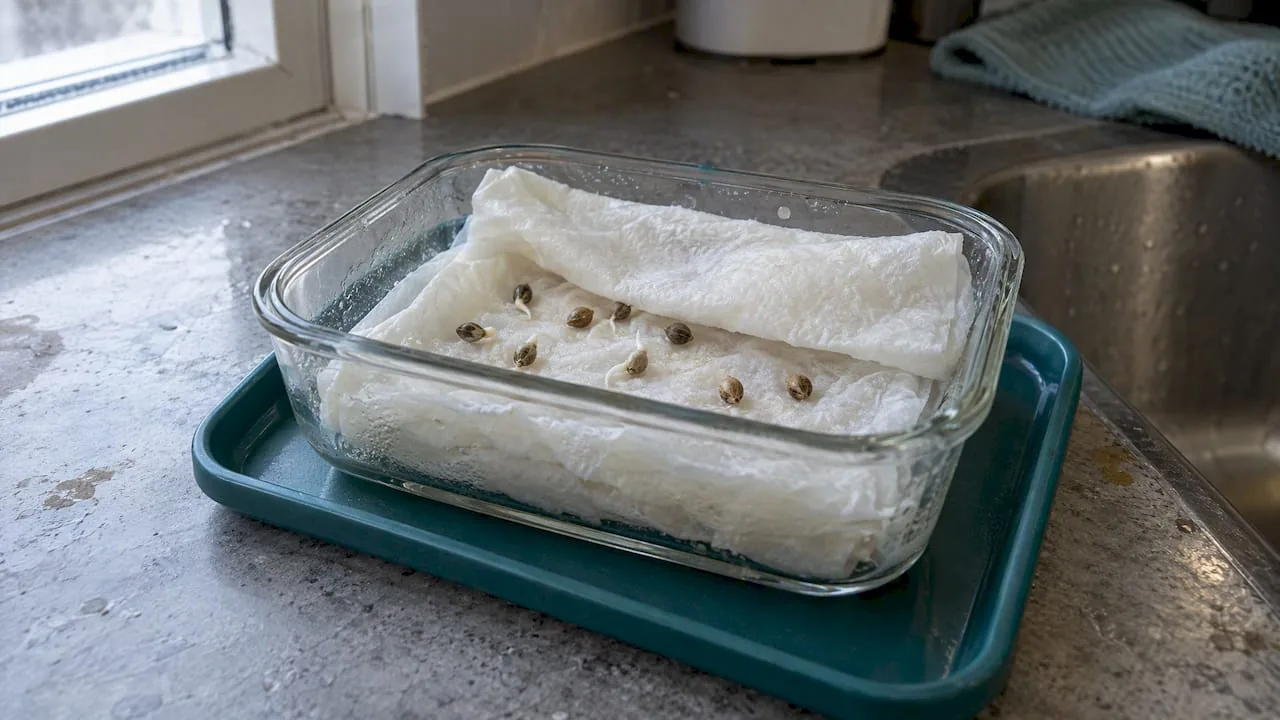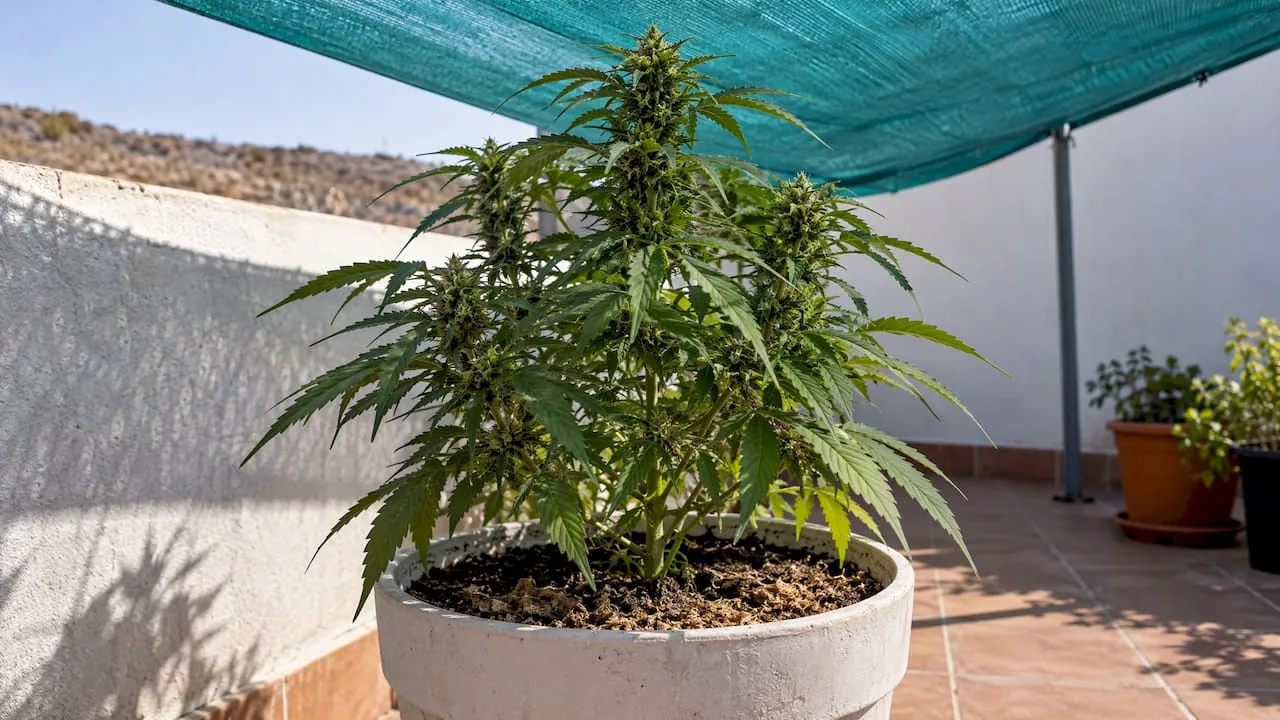


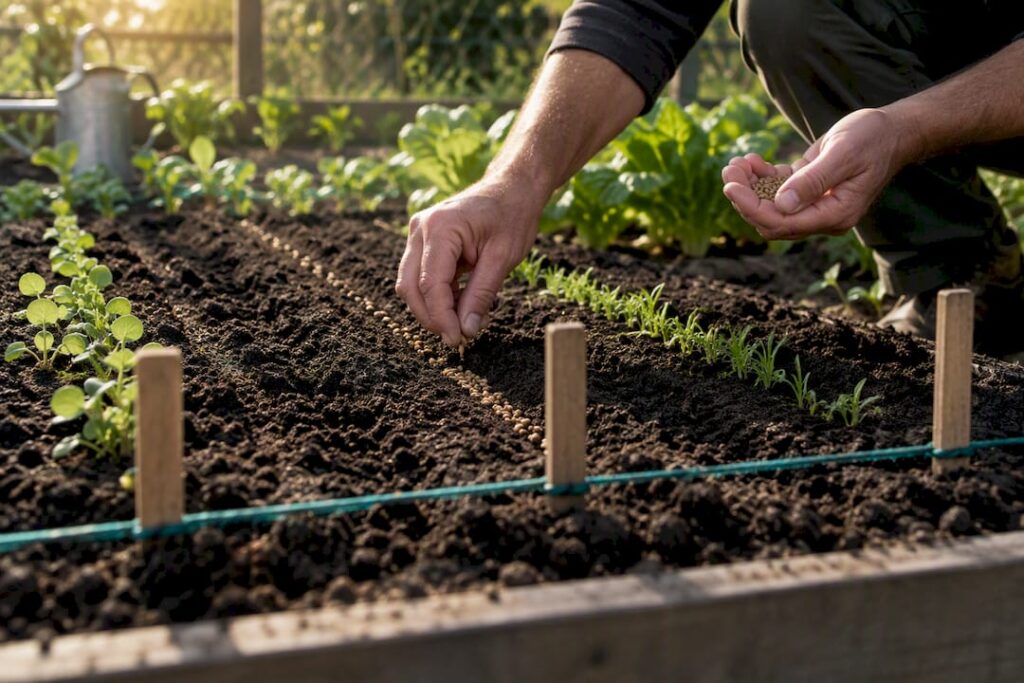
Succession sowing means sowing small batches every 10 to 21 days instead of emptying the packet all at once. For fast-growing crops such as radishes or lettuces, resowing at frequent intervals is recommended to keep a continuous harvest going for months. Choosing the right seeds for succession harvesting, with a good germination rate, makes the difference between a vegetable patch that keeps producing and one that gives everything at once and then sits empty.
In short:
- Staggered sowing reduces waste and creates a continuous supply of vegetables, allowing weekly harvests instead of peaks and gaps.
- Resowing intervals vary by season, being 10 to 14 days in summer and up to 3 weeks in spring, depending on the soil temperature.
- Choosing short-cycle seeds with a good germination rate is essential to keep up the sowing rhythm and avoid failures that break the system.
- Always rotating different varieties in the same area prevents soil depletion and the build-up of specific pests, improving the health of the crop.
- Recording sowing dates helps you adjust intervals and optimise production according to the climate and soil type.
What is staggered sowing and why does it work?
Sowing the whole bed in a single day produces a wave: twenty lettuces ready in the same week and then nothing for a month. Staggered sowing breaks up that wave and turns it into a steady trickle of fresh food, something confirmed by the MAPA sowing calendars, which recommend short, repeated intervals rather than a single sowing date.
The pace of development of each plant depends on three factors that you only partly control: soil temperature, hours of light and the variety’s own biology. A radish that germinates in three days in June can take twice as long in March, so the calendar is never fixed; it’s a guide that you adjust as you go.
The advantages of this method over single sowing are clear:
- Less waste: you harvest only what you will actually eat that week.
- A continuous supply of fresh vegetables throughout the season.
- Spread the work of sowing, watering and harvesting rather than occasional marathon sessions.
- Lower overall risk: if one batch fails because of pests or bad weather, the next ones are already on their way.
The best seed types for staggering harvests
Not all crops suit this system equally. The best types of seeds for staggered production are those with a short cycle and progressive harvesting, because you can sow the next batch almost while the previous one is still in the ground.
Cress (kresse) is probably the fastest crop there is for growing at home: it sprouts in just 2 or 3 days and is cut as a microgreen at 5 days, according to the official MAPA calendar itself. Radishes go at almost the same pace: they germinate in 3 to 5 days and are ready to pull up within the following 3 to 4 weeks. If you want to make the most of this speed, the logic is identical to the one we apply in our guide to seeds for micro-growing, where the short cycle is the key to everything.
Lettuce, spinach and rocket work differently from radishes because they are often harvested leaf by leaf rather than pulling up the whole plant. That allows you to stagger in two ways at once: sowing new batches and partially harvesting the ones you already have standing. Aromatic herbs (basil, coriander, parsley) behave like salad leaves and benefit from mixing early, mid and late-cycle varieties so you never run out of supply at any point in the summer.

How often should I resow, depending on the season?
The interval is not a fixed number: it changes with soil temperature and the hours of light available. In spring, when the soil is still cold, intervals can stretch to 3 weeks because everything grows more slowly. In midsummer, with warm soil and long days, that same crop can be resown every 1.5 to 2 weeks without a problem, as explained in the La Huertina de Toni guide to staggered growing.
Pro tip: note down the date of each sowing in a notebook or on your phone. Within two cycles you will know exactly how your soil and climate behave, and you can adjust the interval without relying on a generic table.
The starting intervals given by the MAPA calendar are a good starting point:
- Radishes: every 10 to 14 days.
- Lettuces: every 14 days.
- Spinach: every 14 to 21 days.
- Rocket: every 14 to 21 days.
With the soil above 18 °C, germination times are cut by almost half compared with early spring soil, so keep an eye on the temperature as much as on the calendar.
A simple rule and a sowing plan you can copy
If you want a formula that works without too much thought, divide the bed (or the growing table) into three or four equal sections and sow one every 14 days. By the time you finish the fourth section, the first is already ready to be sown again.
An example plan for eight weeks could look like this:
- Week 1: sow radishes in sector A and leaf lettuce in sector B.
- Week 3: sow sector C with rocket and pull the first radishes from sector A.
- Week 5: resow sector A (radishes again) and harvest the lettuce in sector B leaf by leaf.
- Week 7: sow sector D with spinach and harvest the rocket from sector C.
- Week 8: start the cycle again from sector B, which should already be free.
To adapt it to a balcony, swap the bed sections for individual pots or planters: each one works as an independent section. In small greenhouses or grow tables, the same scheme works just as well, except that you can shorten the intervals slightly because the temperature is more stable and less dependent on the outdoor climate.
Rotation, mixing varieties and the marker sowing technique
Always repeating the same variety in the same plot depletes the soil and makes it easier for pests specific to that plant to build up. Alternating early, mid-season and late varieties within the same crop solves two problems at once: it prevents lettuces from bolting in the middle of the heat and spreads out the harvest without having to sow more often, something the MAPA variety recommendations detail.
A lesser-known but very effective technique is marker sowing: you combine a fast-germinating crop, such as radish, with a slow one, such as carrot, in the same row. The radish visibly marks the row from day one, so you know where to weed while the carrot hasn’t yet poked through.
- Always mix two or three varieties of the same vegetable with different growth speeds.
- Use marker sowing in narrow beds where blind weeding is a problem.
- Move the crop to a different area with each rotation so you don’t deplete the same nutrients in the soil.
Common mistakes when staggering and how to fix them
The number one mistake is still sowing the entire available area on the same day, which guarantees a harvest peak followed by weeks of empty space. The solution is mechanical: force yourself into the habit of sowing only one section at a time, never all of them.
- Old or badly stored seed: keep it in an airtight container, in a cool, dark place, and check the expiry date before each batch.
- Irregular germination: if a batch fails, don’t wait for the next full interval, resow that section straight away.
- Pests in crops of different ages: check each section separately, because a newly emerged seedling and an adult plant attract different predators in the same bed.
Staggered sowing in pots, planters and on the balcony
In containers, pot depth matters as much as sowing interval. Radishes and salad leaves are happy with 15 to 20 centimetres of substrate, whereas spinach and aromatic herbs with longer roots prefer 20 centimetres or more.
- Use fresh substrate for every resowing: spent substrate germinates worse and produces weak plants.
- Water more often than you would in a raised bed, because pots dry out much faster, especially in summer.
- Aerate or partially renew the substrate between batches to stop it compacting with constant watering.
- Label each pot with the sowing date, so you don’t mix up which area is due for resowing this week.
The essentials to get started this week
Choose a fast crop, divide your space into sectors and sow one every 14 days.
What Omar has learned from testing these intervals
The 10 to 21 day intervals recommended by the MAPA are not an abstract textbook figure; they are a starting point that any grower with some experience ends up adjusting to their own soil and microclimate. What surprises beginners is how much that interval varies between a south-facing terrace and a partly shaded bed, even when they are only a few kilometres apart.
The most underrated practical lesson is the sowing notebook: without recorded dates, it is impossible to know whether a germination failure comes from the seed, the soil or the timing you chose. Growers who keep a record correct their calendar within two cycles; those who don’t repeat the same mistake season after season.
Quality seeds, the foundation of any staggered schedule
No sowing schedule can make up for patchy germination. If you are going to split your space into sections and sow every 14 days, you need to start with seeds that have stable genetics and a good germination rate, because every failed batch breaks the rhythm of the whole system. Choosing varieties with consistent phenotypes that germinate when they should, not when they feel like it, is key to success.
To stagger short cycles and fit several batches into the same season, autoflowering seeds are the most direct option, because their short cycle lets you sow again almost as soon as the previous harvest is finished. If you prefer to control the photoperiod and plan longer, more spaced-out batches, feminised seeds give you that room. Before sowing, it is also worth checking the delivery times in Spain to work out exactly when your order needs to go out, based on the actual sowing date you have in mind. Head to the shop, choose the variety that suits your calendar and start the first batch this very week.

Sources
The MAPA sowing calendars and the practical succession sowing guides from FoodHero are essential references before you set your own schedule, because the intervals vary depending on the climate zone of each garden.
Frequently Asked Questions
What are 5 seeds that germinate quickly?
Cress (kresse), radishes, rocket, spinach and leafy lettuce are among the fastest crops for a home vegetable garden. Cress sprouts in just 2 to 3 days and can be harvested as a microgreen at 5 days, while radishes germinate in 3 to 5 days.
What are the 4 types of sowing?
Succession sowing guides distinguish between single direct sowing, staggered sowing at intervals, relay sowing of crops and companion sowing that combines varieties of different speeds, as described by FoodHero.
Which seed grows the fastest?
Among garden vegetables, watercress is one of the fastest: it germinates in 2 to 3 days and is harvested as a microgreen at 5 days, according to the MAPA calendar. If you are looking for short-cycle varieties for cannabis, fast flowering seeds follow that same shortened-cycle logic.
Which seeds grow in 3 days?
Cress and some mustard sprouts visibly germinate in about 3 days in warm, humid conditions. Radish can also show its first roots within that time, although it takes several more weeks to reach a full harvest.
Does Bluedoggenetics offer seeds suitable for staggered cycles?
Yes, the catalogue includes short-cycle autoflowering varieties designed to fit several rounds into a single season, as well as feminised ones for those who prefer to control the photoperiod. Current prices and availability can be checked directly in the Bluedoggenetics shop.