

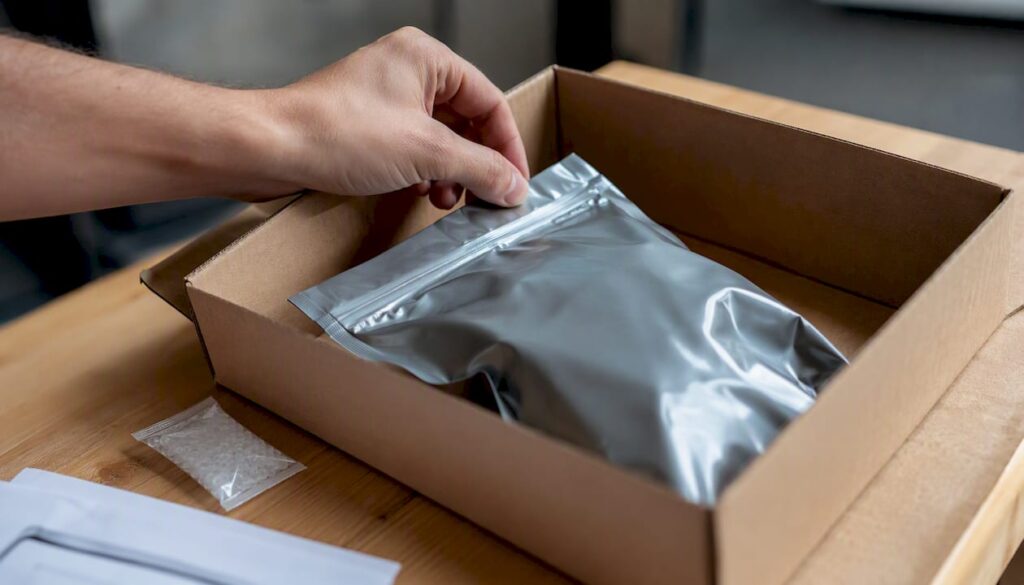
Discreet seed packaging means a neutral, opaque, unmarked parcel that hides the contents at a glance and reduces the risk of being held by customs. For buyers in Central Europe, this is not a whim: it is the difference between receiving your order without any problems or facing an administrative hold. A good discreet shipment combines three basic elements:
- Neutral exterior: a box or envelope with no logos, no references to the product, and no sender markings that identify the contents.
- Sealed interior: opaque heat-sealed or vacuum bag that prevents the contents from being seen or smelt.
- Protective padding: filling material that prevents physical damage and absorbs moisture.
The EU regulatory framework on the import of plant material (managed in Spain by the MAPA and equivalent bodies in each Member State) requires any shipment of seeds from third countries to carry phytosanitary documentation. Neutral packaging does not replace that documentation, but it does reduce the likelihood of the parcel attracting attention before it reaches its destination.
Pro tip: Before buying, ask the seller to confirm in writing the type of inner packaging they use and the country the parcel ships from. That answer tells you more about their reliability than any description on their website.
In short:
- Working definition: An opaque, plain, unbranded package with an inner seal that hides the contents from the outside.
- Prioritise EU suppliers: European seed banks know the regulations and reduce the risk of detention due to incomplete documentation.
- THC limit on imports: Since January 2023, the maximum allowed for hemp imports is 0.3% with proof of THC content.
- Unsolicited seeds: Do not open them, photograph them, seal them in a bag and contact the national plant health authority immediately.
- Bluedoggenetics: Discreet shipping with tracking, EU origin and a reshipping policy in case of customs retention.
What discreet packaging methods do trusted sellers use?
Serious sellers apply several layers of protection, each with a different function. The FAO recommends airtight, dry containers for storing small seeds, which matches best practice in the sector.
Common discreet packaging techniques:
- Vacuum sealing: removes the air and compresses the volume, making identification by density scanner more difficult.
- Opaque black PE film: wrap the contents before sealing to block direct view.
- Activated carbon bags (odour-proof): they absorb volatile compounds that could trigger scent detectors.
- Rigid inner containers: aluminium tins or jars that protect against crushing and moisture.
- Double bag with desiccant: the first bag seals, the second adds an extra barrier; the desiccant (silica gel) controls humidity.
Sellers who work with limited-edition or high-end genetics remove the seed bank’s original packaging before repackaging, precisely so that the outside does not reveal the contents. Internal traceability is maintained through an inner delivery note that cannot be seen from the outside.
On shipping: not all courier companies accept cannabis seeds. The outside of the parcel must not include marks or messages that breach shipping rules, something that Correos and other postal services explicitly regulate.
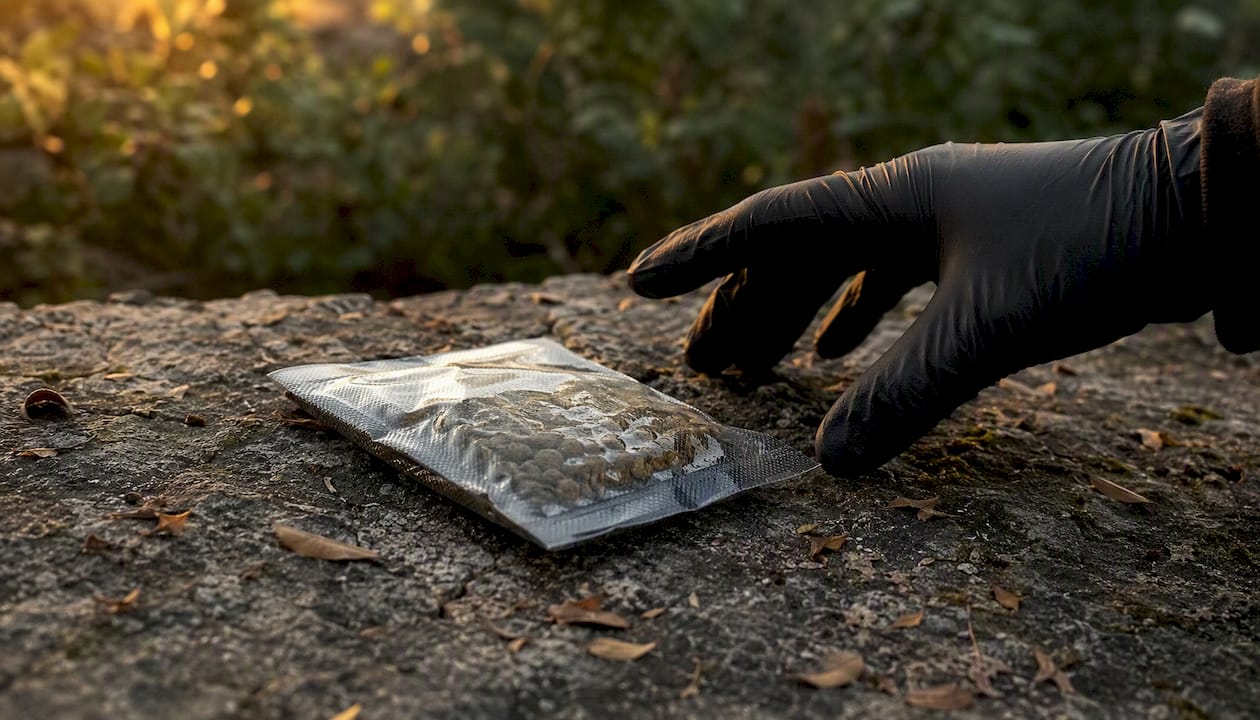
Pro tip: A parcel that arrives crushed or with moisture inside usually indicates that the seller used no padding or desiccant. Always photograph the outside before opening it, in case you need to make a claim.
From order to your door: the step-by-step process
An experienced seller follows a clear process that you can verify at every stage:
- Order confirmed: you receive a confirmation email with an internal reference number, without the product being mentioned in the subject line.
- Internal verification: the team checks stock and seed viability before packing.
- Packaging with checks: vacuum sealing, double bagging, padding and placement in a neutral box. At this stage the original labels are removed and internal documentation is added (a delivery note with a generic description if applicable).
- External labelling and choice of carrier: the recipient’s address with no references to the contents; the sender appears as a generic company or an individual.
- Dispatch and tracking number: you receive the tracking code by email or SMS. Shipments within the EU to Central Europe usually take between 3 and 7 working days; those leaving from outside the EU can accumulate delays of 5 to 15 additional days due to customs checks.
- Final delivery: the parcel arrives without identifying marks. If it is held, a reliable seller activates their reshipping policy.
Trust signals you should demand:
- Tracking number active from dispatch.
- Shipping insurance included or available as an option.
- Written policy of free reshipment if the parcel is lost or held.
- Indoor invoice with a neutral description (never with the name of the variety on the outside).
When customs identifies a suspicious package, the usual process is: preventive hold, notification to the recipient, assessment of the contents and final decision to return or destroy it. In most cases, retail buyers don’t face criminal charges, but they do lose the shipment.
What should you demand from a seller before buying?
Before putting a seed in your basket, go through this checklist. A serious supplier will have no problem answering every point.
What it should offer without you asking:
- Discretion policy documented on its website (description of the packaging, materials used).
- Active tracking number for all orders.
- Reshipment or refund policy in case of customs seizure.
- EU origin of the shipment, preferably confirmed in writing.
- Accessible customer support by email or chat with reasonable response times.
Pro tip: Ask for photos of the inner packaging before buying if the seller doesn’t publish them. A reputable seed bank has them and shares them without any fuss. If they refuse or dodge the question, look for another supplier.
Warning signs you should avoid:
- No tracking number, or tracking “available on request”.
- Ambiguous descriptions of the shipment’s country of origin.
- No documented reshipment or refund policy.
- Sellers who don’t answer questions about packaging or documentation.
- Prices far below the market with no clear explanation (risk of low-quality seeds or fraud).
Also check out the quality seed selection checklist to verify what documentation and labelling you should receive with your order.
What phytosanitary risks exist in the EU and how do they affect your shipment?
Seed shipments from outside the European Union are subject to phytosanitary checks that can result in the parcel being held or destroyed if it does not carry the relevant official certificates. Buying from suppliers within the EU is the most direct way to reduce that logistical risk.
The difference between an intra-EU shipment and one from a third country is enormous in operational terms. Within the EU, seeds move under the single market framework with reduced checks. From outside, any shipment may be held or destroyed without phytosanitary certificates, as stated by the MAPA.
For imports of hemp and hemp seeds, European regulations have set a maximum THC limit of 0.3 % since 1 January 2023, and imports must be accompanied by proof of THC level where applicable under Regulation (EU) No 1308/2013.
Documentation that reduces the risk of seizure:
- Phytosanitary certificate issued by the competent authority of the country of origin.
- EU declaration of origin when the shipment departs from within the Union.
- Strain analysis with THC level for hemp imports.
- Generic description of the contents on the inner delivery note.
Buying from European seed banks significantly reduces customs risks because they know the regulations and prepare shipments to minimise administrative holds. Even so, the lack of certificates can lead to seizures even in intra-EU shipments when there are documentary irregularities.
I received seeds I didn’t order: what to do in Central Europe
Receiving a pack of seeds you did not order is more common than it seems and is usually linked to brushing scams, where third parties use your address to generate fake reviews. Follow these steps without exception:
- Do not open or tamper with the package. Leave it exactly as it arrived.
- Photograph the outside from several angles before touching it.
- Place the intact package in a resealable bag and add a second outer bag as an additional barrier.
- Contact the national plant health authority in your country to receive specific instructions. In Spain, the MAPA handles these cases; in other Central European countries, the equivalent plant health body.
- Do not plant the seeds under any circumstances: they may carry plant pests or diseases not present in your territory.
According to the official recommendations of the MAPA, the packaging should be kept intact and the seeds should be stored in sealed bags until the authorities indicate how to proceed.
Pro tip: If you received seeds you didn’t order, check the security of your e-commerce accounts and consider changing your passwords. This kind of delivery often suggests that your address details have been compromised.
How to place your order with maximum security and discretion
There are concrete actions you can take before and during purchase to minimise any problems:
Before buying:
- Check that the seller has a documented reshipping policy and confirmed EU origin.
- Ask for photos of the inner packaging if they don’t appear on the website.
- Check that the carrier used by the seller accepts this type of shipment.
- Check the tips on discreet shipping to understand which practices are standard in the industry.
- Prefer orders of just a few units: small shipments attract less attention at checks.
During and after the order:
- Use a secure delivery address where you can receive the package in person.
- Turn on tracking notifications to know exactly when it arrives.
- Keep your order number and shipping confirmation until the package arrives.
- If the package arrives showing signs of tampering, photograph it before opening it and contact the seller immediately.
To keep your seeds in optimal condition once you have received them, see the Bluedoggenetics seed storage guide.
What we guarantee at Bluedoggenetics: process and commitment
At Bluedoggenetics we work with a curated selection of exclusive varieties, both feminised and autoflowering, from recognised seed banks. Every order goes through a discreet packaging process that includes opaque inner sealing, protective padding and a plain box with no references to the contents. The tracking number is sent automatically on dispatch, and our reshipment policy covers cases of loss or customs seizure.
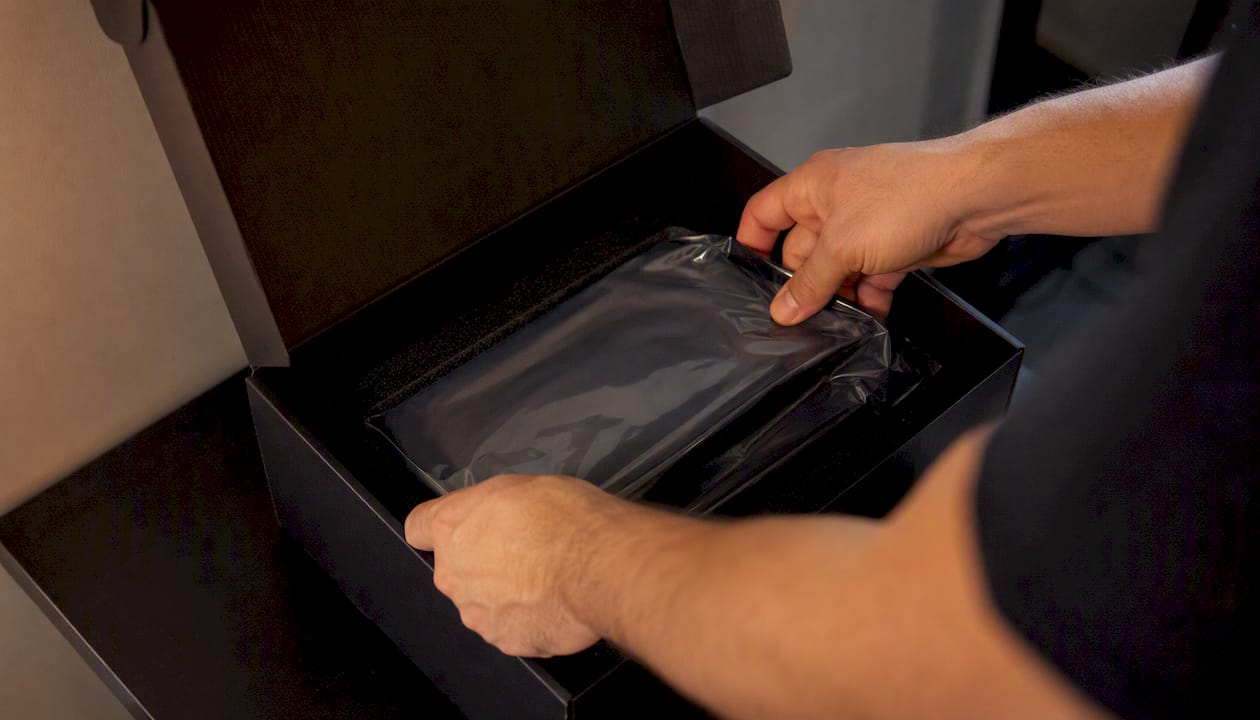
Our customer service team answers questions about packaging, shipping origin and documentation directly. We do not work with carriers that refuse this type of shipment, and all our suppliers operate within the EU, which keeps the phytosanitary risks described in this guide to a minimum.
If you’re looking for varieties with proven genetics and want to know what sets an elite seed apart from a mediocre one, the guide on signs of elite seeds gives you the exact criteria that experienced growers use.
Bluedoggenetics: safe purchase with guaranteed discreet shipping
Bluedoggenetics offers what buyers in Central Europe really need: EU origin, sealed opaque inner packaging, active tracking from dispatch and a reshipping policy in case of detention. There are no middlemen who don’t know the regulations and no unverified carriers.
You can browse the full catalogue of premium feminised and autoflowering seeds and add your selection directly to the basket. If you have questions about packaging, origin or documentation before confirming your order, the team answers before you buy, not after.
Sources
Recommended varieties for your next grow
If you already know how the parcel arrives, the next step is to choose your genetics well. Two options that combine stability, yield and ease of growing for Central Europe: