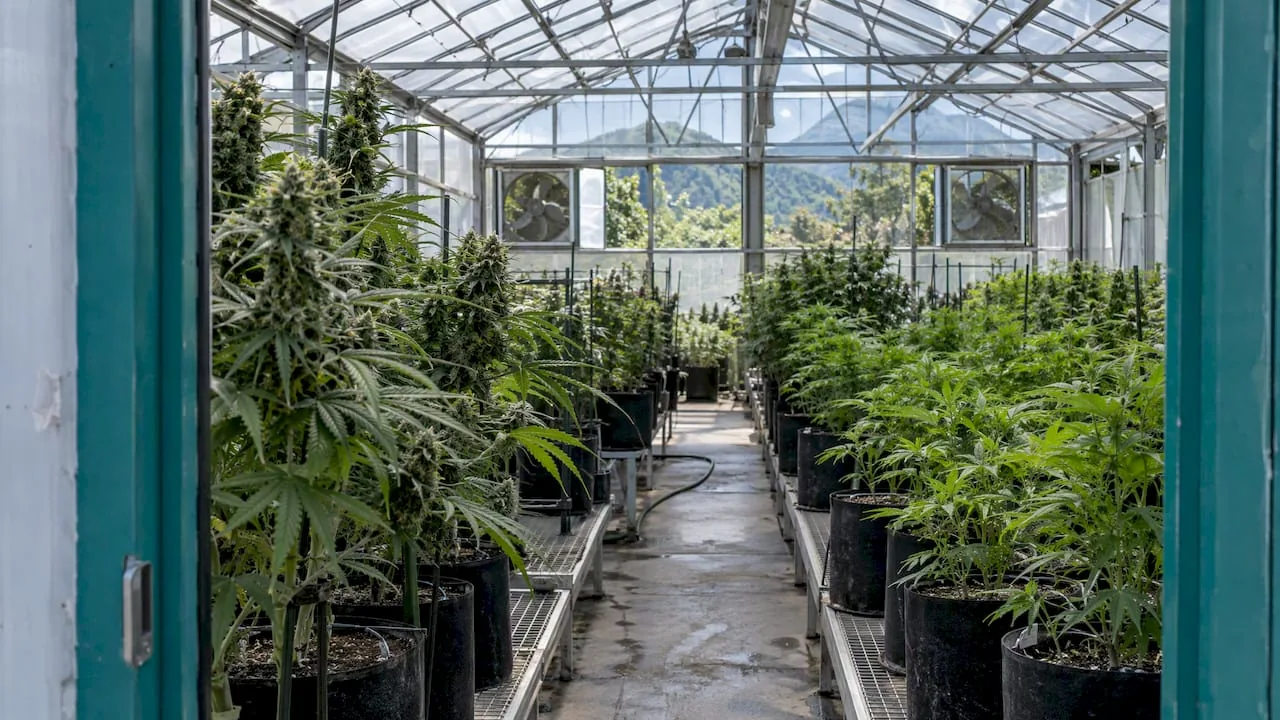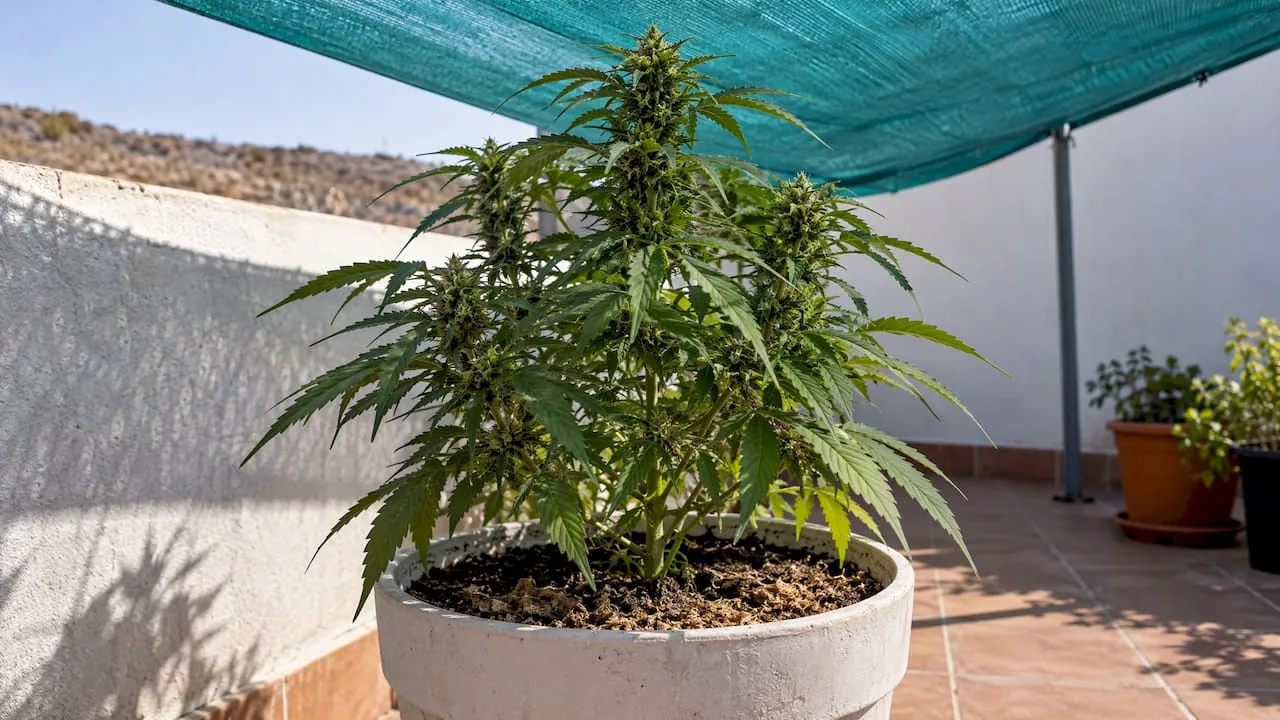


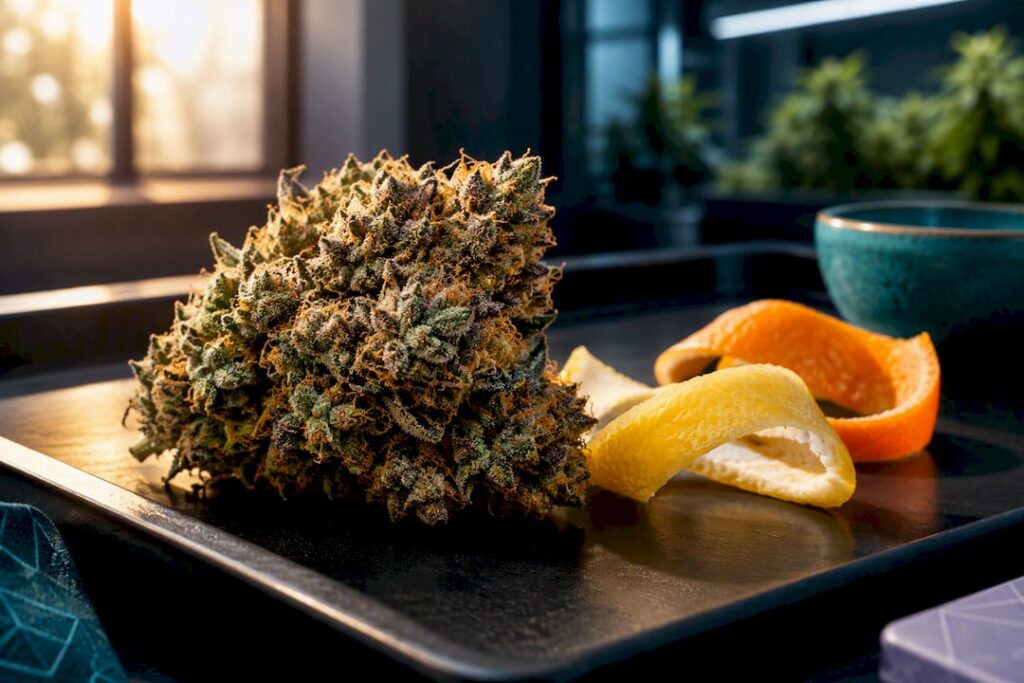
Yes: there are varieties with a predominance of limonene, and you can identify them before buying if you know how to read a laboratory analysis. We work with verifiable genetics whose terpene profile can be confirmed in the certificate of analysis (COA). Before settling on a “citrus” variety, always ask for that COA or the most recently analysed batch.
In short:
- The presence of limonene in a cannabis variety should be confirmed by a certificate of analysis showing its position in the terpene profile, not just by the commercial description.
- Genetics determines the amount of limonene in the plant more than growing conditions do, so growing several plants helps you identify the phenotype with the highest concentration.
- To keep the citrus aromatic profile, it’s essential to dry and cure slowly under controlled conditions, avoiding high temperatures and exposure to light and heat.
- Sativa or indica labels do not guarantee a high limonene content, as these classifications do not accurately reflect the real chemical profile.
- Choosing varieties with a citrus profile is advisable for extractions, aromatic blends and daytime use, but always check the COA of the specific batch.
What limonene is and why it matters in cannabis
Limonene is a monoterpene with a citrus aroma, the same compound responsible for the characteristic smell of lemon and orange peel.
An analysis of 140 medicinal cannabis samples identified nine terpenes, including limonene, which together explain around 86 % of the variation in the total terpene profile between chemovars.

Pro tip: If you buy regular or feminised seeds of a “limonene-rich” variety, grow more than one plant when you can. Genetics set the potential, but the specific phenotype decides how much limonene actually reaches the flower.
Metabolomic studies place limonene among the most abundant and ubiquitous monoterpenes in cannabis, alongside myrcene and alpha-pinene. That same research confirms that terpene composition depends above all on genetics, much more than on growing conditions.
As for the effects, the available evidence is promising but preliminary. Experimental models suggest that limonene could reduce certain anxiety-inducing effects associated with THC, although robust clinical trials are still needed to confirm this effect in people. It’s best to treat these descriptions as a trend observed in the lab, not as a guaranteed property of every citrus flower you smoke or vaporise.
The 2025 European Drug Report adds useful context: the market shows a growing diversification of products and potencies, which reinforces why a laboratory analysis carries more weight than any commercial description when choosing a seed.
How to confirm that a variety is rich in limonene
A quality COA (certificate of analysis) breaks down every terpene detected, usually in milligrams per gram or as a percentage of the total terpene profile. Limonene should appear as an individual line, not diluted into a generic “citrus” or “total terpenes” category.
To know whether a variety truly deserves the “rich in limonene” label, compare its relative position against other terpenes in the same report, not just the absolute figure. A flower can have 8 mg/g of limonene and still be myrcene-dominant; what matters is whether limonene tops or at least shares the podium of the profile.
- Look for the terpene-by-terpene breakdown, not just the THC or CBD percentage.
- Confirm that the laboratory is accredited and that the report includes the date and batch number.
- Ask the seed bank or the seller for the COA of the specific batch you are going to buy, not a generic analysis of the variety.
- Be wary of data sheets that only describe the aroma with adjectives (“intense citrus”) without analytical backing.
- Remember that the profile can vary between harvests from the same grower if environmental conditions change.
The sativa or indica label tells you nothing reliable about limonene content. Research on genotyping and terpene profiles shows that commercial labels do not correlate consistently with the plant’s real chemotype. The authors of the study on 140 German samples themselves recommend classifying varieties by terpene-profile clusters rather than by the old sativa/indica division, precisely because that nomenclature no longer reflects what is inside the flower.
Pro tip: Keep the COA for every batch you buy. Over time, that collection lets you compare real genetics across seed banks, instead of relying only on the commercial name printed on the packet.
If you want to better understand how terpenes relate to the cannabinoid profile and the final aroma, the guide to cannabinoid profile and cannabis varieties explains that relationship in more technical detail.
Limonene-rich varieties we recommend growing
Our selection prioritises genetics with documented backgrounds of citrus dominance, but we insist on one point: the specific phenotype you germinate may deviate from the variety’s average profile. Always ask for the batch’s COA before taking the final result for granted.
Feminised genetics with a pronounced citrus profile
In our feminised seeds category you will find several lines selected for their tendency to express limonene consistently, ideal if you want predictability in every growing cycle without having to deal with male plants. They are the most direct option for growers who want to repeat the same aromatic profile harvest after harvest.
Autoflowering options for fast cycles
If your priority is speed and limited space, the range of autoflowering seeds includes genetics with citrus profiles that mature in less time. The usual trade-off with autoflowering plants is slightly lower resin production than equivalent photoperiod plants, so if your goal is concentrated extracts, it is worth weighing up that margin.
Regular seeds for your own breeding projects
Growers who want to work on their own genetic line and look for phenotypes with maximum limonene expression find in regular seeds the classic starting point: no feminising manipulation, with all the genetic variability intact so you can select mothers and fathers according to your own aroma criteria.
CBD varieties for mild citrus profiles
Not all the interest in limonene comes from THC. Within the CBD category there are genetics that combine a balanced cannabinoid profile with distinct citrus notes, a combination that appeals both to growers for personal use and to those preparing aromatic extracts with a mild profile.
Fast versions for those who don’t want to wait
The Fast version line shortens the total growing time while keeping base genetics with good terpene potential, a practical option if you have scheduling limitations but don’t want to give up the citrus profile entirely.
When deciding what to grow according to your end goal, bear the following in mind:
- For aroma in dried flower and direct consumption, prioritise feminised genetics with a COA showing limonene as the dominant or co-dominant terpene.
- For extractions and concentrates, look for varieties with a high total terpene profile, not just isolated limonene, because the extraction process concentrates the whole set.
- For aromatic blends or your own genetic selection projects, regular seeds give you more room to work with different phenotypes.
- If you are growing for the first time, start with an autoflowering variety with a documented citrus profile before moving on to more demanding photoperiod genetics.
If it’s your first time germinating, the complete guide to germinating cannabis seeds covers the process step by step before you reach the flowering phase, where the terpene profile is truly defined.
How to grow and cure so you don’t lose the limonene in the process
Genetics matter more than environment when it comes to terpenes. Metabolomics studies confirm that terpene composition is strongly determined by genetic inheritance, which means that no growing technique can create limonene where the plant lacks the genetic potential to produce it. That said, a poor drying process can certainly destroy a large part of the limonene the plant did produce.
- Check the phenotype early. If you grow several regular seeds of the same variety, assess the aroma in mid-flowering to identify which plants express the most citrus character before investing time in all of them equally.
- Look after nutrition during flowering. Too much nitrogen late on, or a lack of potassium and magnesium, affects resin production and, with it, the amount of terpenes available in the trichome.
- Harvest according to trichomes and aroma, not just the calendar. The optimal moment usually coincides with mostly milky trichomes and a peak in aromatic intensity that you can notice when you bring your nose close to the bud.
- Dry slowly and cool. Drying at temperatures between 16 and 20 degrees Celsius and a relative humidity of 55 to 60% for seven to twelve days preserves volatile compounds far better than quick drying at a high room temperature.
- Curing in airtight jars. Slow curing in glass jars, opening them briefly each day during the first week, allows limonene and the other terpenes to stabilise instead of evaporating.
- Store away from light and heat. A dark cupboard with a stable temperature preserves the aromatic profile much longer than a jar exposed to a window or near a heat source.
Pro tip: The most common mistake isn’t in the growing, but in the drying. Many impatient growers dry their buds in two or three days with fans blowing directly on them and at a high temperature, and that evaporates a good part of the limonene before it reaches the curing jar.
Terpenes are volatile compounds, sensitive to heat and light, and drying and curing practices have a decisive influence on how much of the aromatic profile survives until final consumption. A bud with excellent genetics can end up smelling like little more than dry grass if the post-harvest process is done badly.

Benefits and possible effects of limonene
Beyond aroma, limonene interests many growers for its possible role in the so-called entourage effect, the interaction between cannabinoids and terpenes that could modulate the final experience. Preclinical evidence suggests that limonene may help reduce certain anxiety-inducing effects of THC, although this interaction has been studied mainly in animal models and not in large clinical trials in people.
It’s important not to overstate these conclusions: the available research is a reasonable starting point, not definitive proof that every limonene-rich flower will produce a predictably calming effect. Everyone metabolises cannabinoids and terpenes differently, and the rest of the plant’s chemical profile also influences the subjective result.
What is well documented is the role of limonene in sensory perception. A pronounced citrus profile is usually associated with a fresher, less heavy experience than varieties dominated by myrcene or caryophyllene, something many growers look for specifically for daytime use.
Sensory uses of limonene in aromatherapy and gastronomy
Limonene is not exclusive to cannabis. It is the same terpene found in citrus peel, rosemary and some conifers, which is why its aroma is so recognisable even to people who have never tried a cannabis flower.

In aromatherapy, limonene is commonly used for its fresh, energising note, very different from the earthy notes of myrcene or the floral ones of linalool. That versatility explains why limonene-rich extracts also have uses beyond traditional consumption, in natural perfumery and in citrus-scented cleaning products.
On the culinary side, some growers and amateur chefs use flowers or extracts with a dominant citrus profile to pair with citrus desserts, infusions or cocktails, aiming for the terpene aroma to complement rather than compete with the flavours of the dish. The sensory key is intensity: a truly limonene-rich variety is instantly distinguishable from generic cannabis by that note of orange or lemon peel that dominates before any earthy or sweet nuance.
When to prioritise limonene over other terpenes
Choosing a limonene-rich variety makes sense when your goal is specific: extracts with a marked citrus profile, aromatic blends for daytime use, or simply because you enjoy that fresh character compared with earthier or sweeter profiles. Outside those cases, chasing limonene because it’s trendy can lead you to discard excellent genetics with other equally interesting terpenes, such as myrcene or caryophyllene.
My recommendation is simple: first define what you are going to use the harvest for, then look for the COA that backs up that decision. If you are going to make extractions, the total terpene profile matters as much as isolated limonene. If you want dried flower with an intense citrus aroma, prioritise strains where limonene appears as the dominant or co-dominant terpene in the lab report, not just mentioned in the commercial description.
We select genetics with documented track records precisely to reduce that uncertainty, but no seed bank can promise you an identical result in every phenotype. Curated selection helps you start from a better base; the rest depends on how you grow and cure what the plant gives you.
Where to buy verified citrus-profile seeds
Choosing seeds by terpene profile requires transparency, and that is where the difference lies compared with buying with no reference at all: we offer a curated selection of exclusive genetics, discreet shipping and personal attention throughout the whole process, with order tracking from start to finish. We don’t sell unsupported aroma promises, we sell genetics with a verifiable track record.
If you are looking for a stable profile harvest after harvest, explore our feminised seeds category. If you prefer short cycles and less growing complexity, the autoflowering category gives you that flexibility without giving up the citrus character. In both cases, ask for the batch’s COA before buying and compare prices and promotions directly in the shop to find the option that best fits your growing project.
Sources
- Classification of Cannabis Strains Based on their Chemical Fingerprint—A Broad Analysis of Chemovars in the German Market
- The Terroir of Cannabis: Terpene Metabolomics as a Tool to Understand Cannabis sativa Selections
- Review on terpenes and entourage effect (Justin Fischedick et al.)
- European Drug Report 2025 — Cannabis
Frequently Asked Questions
Which foods are rich in terpenes such as limonene?
Citrus fruits (lemon, orange, grapefruit) are the best-known source of limonene outside cannabis, along with rosemary and some aromatic spices.
What are the effects of limonene?
Preclinical research suggests that limonene could dampen certain anxiety-inducing effects associated with THC, although the evidence in humans remains limited. On a sensory level, it is associated with a fresh citrus aroma and an experience that is perceived as lighter than that of myrcene-dominated profiles.
What is D-limonene?
D-limonene is the most common isomer of limonene in nature, responsible for the characteristic citrus peel aroma. It is the form that predominates in most cannabis laboratory analyses, and it is usually listed that way in a detailed COA.
How do I know if a Bluedoggenetics variety is rich in limonene?
The right approach is to ask for the certificate of analysis (COA) for the specific batch, where limonene should appear as the dominant or co-dominant terpene in the full breakdown. The commercial description alone never replaces that analytical data.
Does the sativa or indica label indicate the limonene content?
No. The evidence shows that the commercial labels sativa and indica do not reliably correlate with the plant’s actual terpene profile. The COA is the only solid reference for confirming the limonene content of a variety.