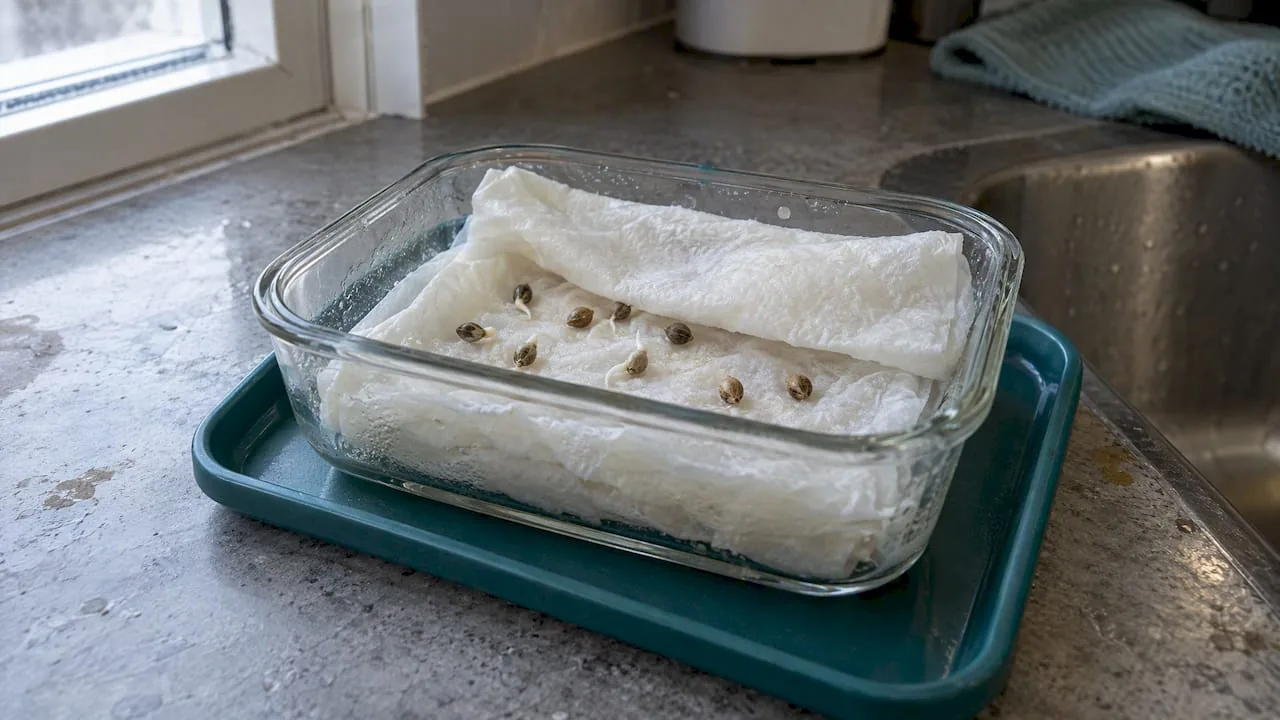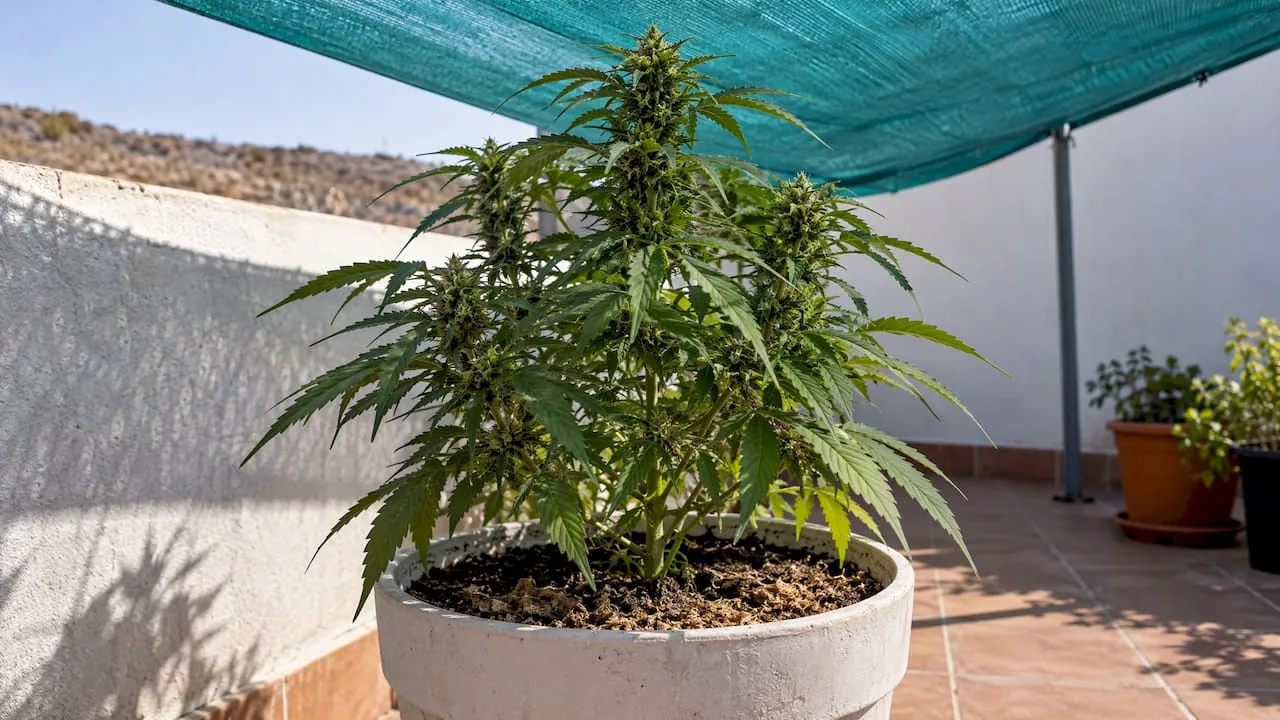


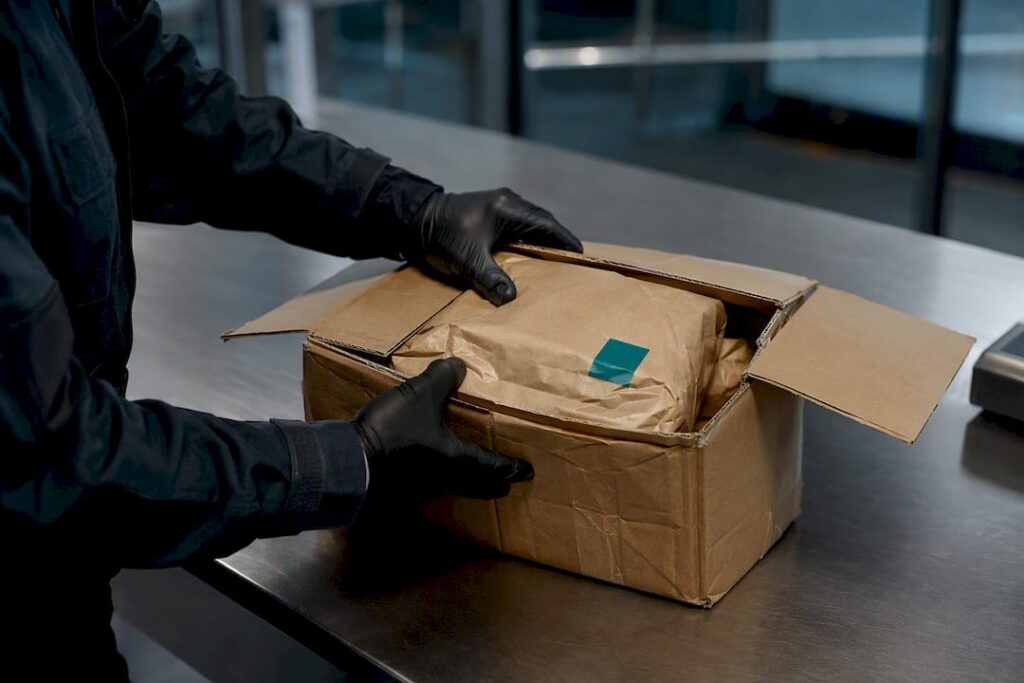
A discreet international order can indeed arrive without logos or revealing labels, with a neutral sender and communications free of sensitive details. What it cannot do is bypass customs: every shipment needs a truthful declaration, and below a certain value there is usually a duty allowance but not a total exemption from paperwork. Always ask the seller for neutral packaging, a tracking number and confirmation of what will be described in the documentation. Customs holds do exist, and you need to allow for them rather than ignore them.
In short:
- The customs declaration must truthfully describe the contents, even though the package has neutral packaging with no logos to avoid legal problems.
- It is advisable to ask the seller for written confirmation that the parcel will have discreet packaging, a generic sender and a truthful customs description before paying.
- Small shipments in opaque padded envelopes and bulky ones in plain, unprinted boxes are the safest options for keeping things discreet and reducing risks.
- Customs procedures for international shipments depend on the value and type of goods, with a duty-free allowance of 150 euros and an obligation to always declare the contents.
- It is essential to have an active tracking number from dispatch and to allow for extra costs such as VAT, tariffs and possible customs fees, as well as keeping documentary evidence.
What a discreet shipping policy really covers
Truly discreet packaging means boxes or envelopes with no logos, no product name printed on them and a generic sender instead of the seller’s trading name. Specialist guides to discreet packaging agree on something that many buyers overlook: the outer label can be neutral, but the customs declaration that accompanies the parcel must always describe the contents truthfully. Discretion and false documentation are different things, and confusing them causes serious legal problems.
Privacy doesn’t end at the box. The confirmation email, the email subject line and even the description that appears on your bank statement are exposure risks just as real as the parcel itself. A serious seller uses a neutral sender name in communications and avoids mentioning the product in the email subject line.
Before paying, ask the seller for this:
- Explicit confirmation that the parcel will carry no logos or references to its contents.
- Sender name that will appear on the label and on the bank statement.
- Guarantee that the customs description will be truthful, even if the exterior is neutral.
Our guide on discreet seed shipping details exactly what to ask before confirming your purchase.
Professional tip: keep screenshots of the confirmations where the seller promises you plain packaging. If something goes wrong, that proof is worth more than any verbal complaint.
Packaging materials that work depending on the type of shipment
A padded opaque envelope is enough for small, flat products. For bulky or fragile parcels, a plain cardboard box with internal padding that doesn’t give away the shape of the contents is the most reliable option.
- Opaque padded envelopes: ideal for light shipments; the material prevents the contents from being seen against the light.
- Plain unprinted boxes: for medium or large volumes, with no visible branding on the outside.
- Tear tape: lets you open the package without a cutter, which reduces damage and improves the unboxing experience.
- Additional opaque film: useful when the original product comes in packaging that could be recognised by its shape or colour.
The most common mistakes that give away the contents are transparent plastic windows, unnecessarily large “fragile” labels and handling labels that describe the product instead of simply indicating care in transit. Confidential packaging guides stress that combining opaque materials with secure opening systems reduces both the risk of identification and damage during transport. Our article on discreet seed packaging shows concrete examples by type of shipment within the European Union.
Customs, H1/H7 declarations and the 150 euro limit
This is where many buyers get a surprise: the discreet outer appearance of the parcel has nothing to do with customs obligations. Every international shipment needs a declaration, and the type of formality depends on the value of the goods.
The Agencia Tributaria explains that low-value postal shipments use simplified data sets known as H1 and H7, and that there is a customs duty exemption for goods up to 150 €. [source: Agencia Tributaria]. An exemption does not mean no paperwork: it means no duty is paid, but the declaration is still mandatory and VAT may still apply depending on the case.
For more complex procedures, the official form is still the Single Administrative Document (DUA), regulated by the Union Customs Code. Electronic submission is the norm, and the recipient can in some cases handle the declaration directly or delegate it to the carrier.
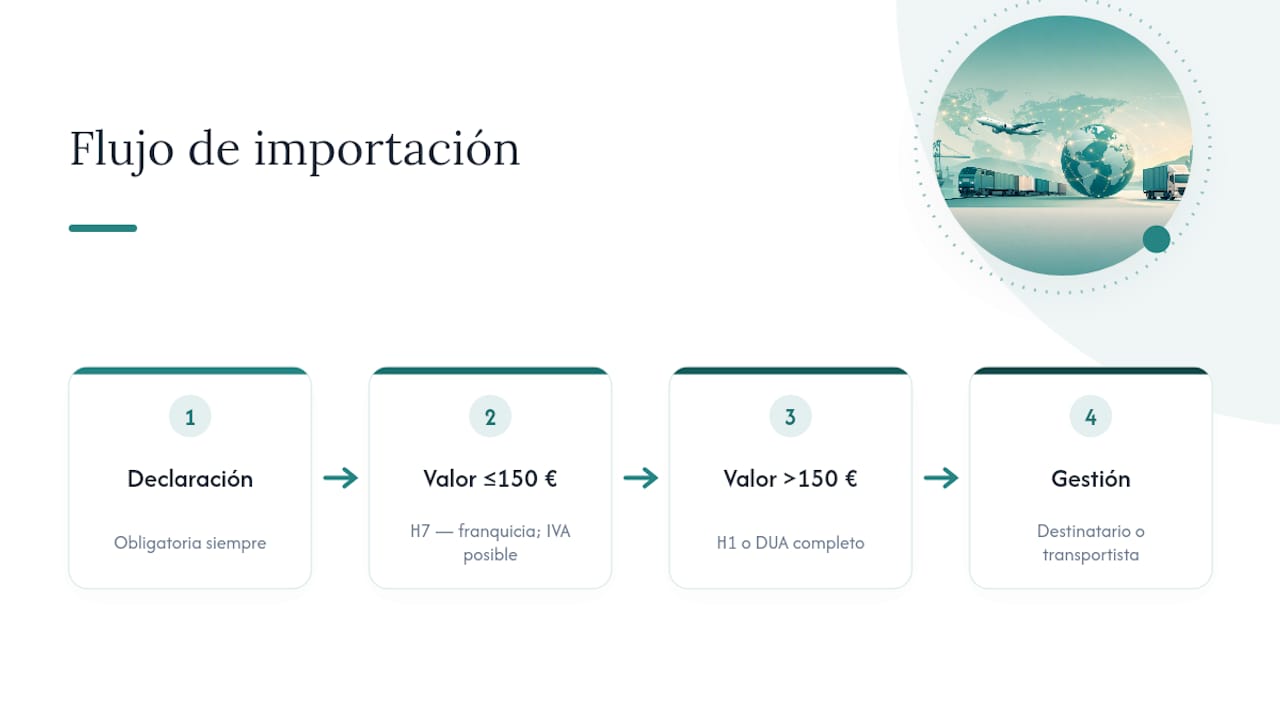
| Up to 150 € | H7 (simplified data) | Customs duty relief | [source: Agencia Tributaria]
| Over 150 € | H1 or full DUA | Applies depending on the goods |
Certain goods are subject to specific controls or are outright prohibited in international transport, regardless of value. Always confirm with the seller which regulations apply to the specific product before paying.
Tracking, timescales and costs you should plan for
The tracking number is your best tool for keeping an eye on your delivery without having to ask the seller anything. A private tracking portal, with notifications that don’t mention the contents of the parcel, is what you should demand from the very start.
- Always ask for an active tracking number from the day of dispatch, not several days later.
- International delivery times usually range from a few days to several weeks, depending on the country of origin and whether there are additional customs checks.
- Allow for handling costs, possible import VAT and, on shipments above 150 €, customs duty depending on the product’s tariff heading.
- Check before buying whether those costs are included in the price or charged separately when you receive the parcel.
Our guide to seed order tracking explains how this process works step by step for deliveries within Spain.
Checklist for before and after your order
Before paying, go over these points with the seller:
- Confirm that the outer label will be plain, with no reference to the product.
- Ask for the exact sender name that will appear on the box and on your bank statement.
- Request a photo of the sealed package before shipping, if the seller offers it.
- Check which customs description the seller will use and that it is consistent with the regulations.
- Ask about estimated customs and VAT costs for your destination country.
If your parcel is held at customs, keep all the documentation: tracking number, proof of payment and any official notification. Most holds are resolved by paying the relevant duty or by providing additional documentation, and they usually have a set deadline before the shipment is returned to origin. Also see our seed returns policy to find out what evidence you will need if your order does not arrive in the expected condition.
Pro tip: write down the exact shipping date and the tracking number in a separate document, not just in the seller’s email. If the email gets lost or the account is closed, that note is your only proof.
Bluedoggenetics’ experience with discreet shipping
At Bluedoggenetics we work with plain packaging, active tracking on every order and a curated selection of varieties designed for both new and experienced growers. Our quality guarantees and personal service for every customer aim to make sure that discretion never turns into uncertainty. You can check exactly what each shipment includes in our guide to the contents of the seed package.
Thoughts on privacy and operational risk in discreet shipping
Absolute discretion doesn’t exist, and any seller who promises it without caveats is not being honest with you. What does exist is a wide gap between an “anonymous parcel” and a “parcel that falsely declares its contents”, and that gap is where you should set your expectations. Always favour the seller who documents things properly over the one who promises discretion without explaining how they achieve it.
A detail that few people consider: the delivery point and the payment method affect your exposure as much as the packaging itself. A pickup point that you manage yourself, as opposed to the front desk of a shared building, reduces the risk of third parties seeing the parcel before you do. I’ve spent years watching how the most careful growers treat every shipment as a complete chain (order, payment, transit, delivery) and not just as a box that looks nice on the outside.
Discreet shipping and varieties designed for demanding growers
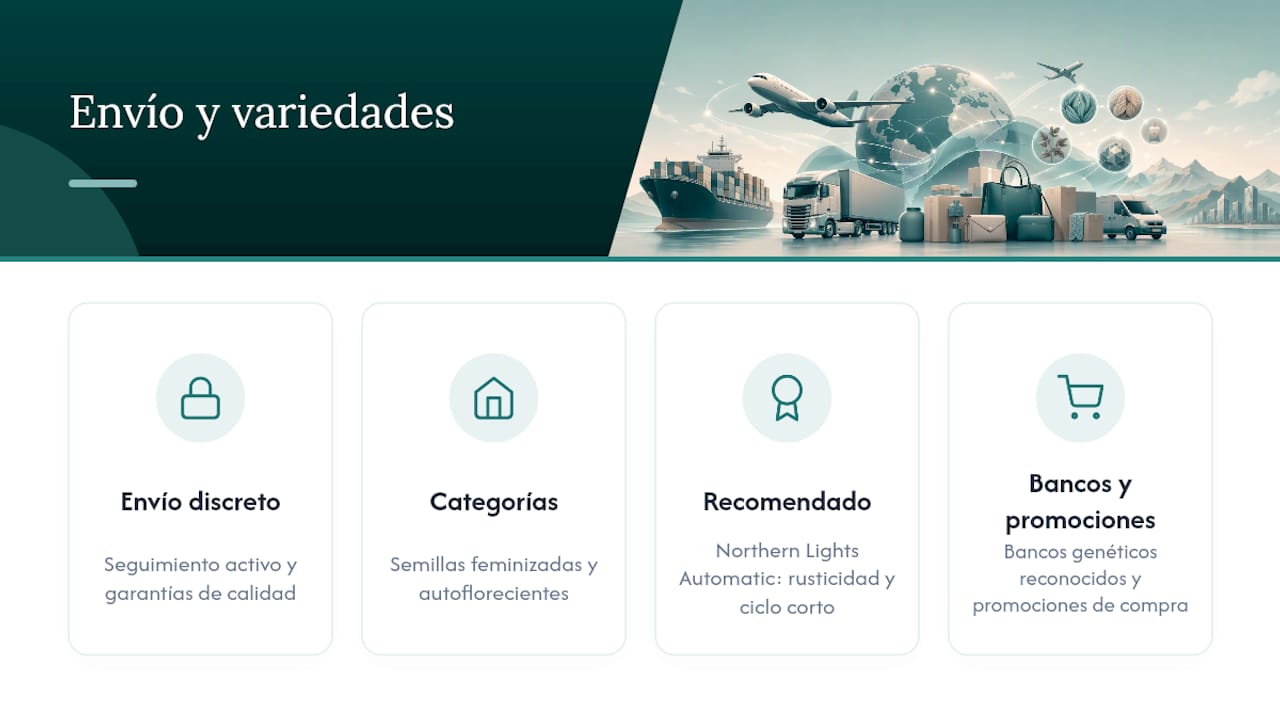
The shop combines genuinely discreet shipping with active tracking and quality guarantees on every order, without promising anything that customs would not allow it to deliver. It offers a carefully chosen selection of well-known seed banks and promotions that make both first-time and repeat purchases easier. If you value privacy without giving up compliance, our categories of feminised seeds and autoflowering seeds are the most direct starting point.
For those looking for proven reliability with guaranteed discretion from the very first order, Northern Lights Automatic in our autoflowering category is a solid choice thanks to its hardiness and short cycle. If you prefer a classic, predictable feminised strain for your first discreet shipment, browse the full catalogue in our shop and choose the variety that best suits your growing space.
Sources
The explanations about customs are based on the AEAT manual, DUA regulations and practical guides to discreet packaging and discreet fulfilment.
- AEAT manual: import formalities for consignments of value
- DUA regulation and customs rules (Hacienda repository)
- Discreet packaging: what it is and when to use it – Rajapack
Frequently Asked Questions
What exactly does an international order mean?
An international order is any purchase that crosses a border between the seller’s country and the buyer’s, which triggers specific customs procedures. How it is treated depends on the declared value and the nature of the product, as explained by the Spanish Tax Agency.
Can an order be shipped discreetly without declaring the real contents?
No. The outside of the package can be plain, but the customs declaration must always describe the contents truthfully, as discreet packaging guides state. Confusing discretion with concealing documents exposes the buyer to seizures and penalties.
What happens if my parcel is held up in customs?
It is usually resolved by providing additional documentation or paying the corresponding duty if the value exceeds the 150 € allowance. It is best to act within the deadline set by customs to prevent the shipment from being returned to origin.
How do you place an international order discreetly and securely?
Ask the seller for plain packaging, a generic sender and confirmation that the customs description will be accurate but without unnecessary details on the outside. This kind of combination is applied to every shipment, with active tracking from dispatch to delivery.
Do shipping costs include customs charges?
Bluedoggenetics shipping costs are shown directly on the website at checkout; any customs charges in the destination country are handled separately according to local regulations. It’s always a good idea to confirm this point with the seller before paying.